
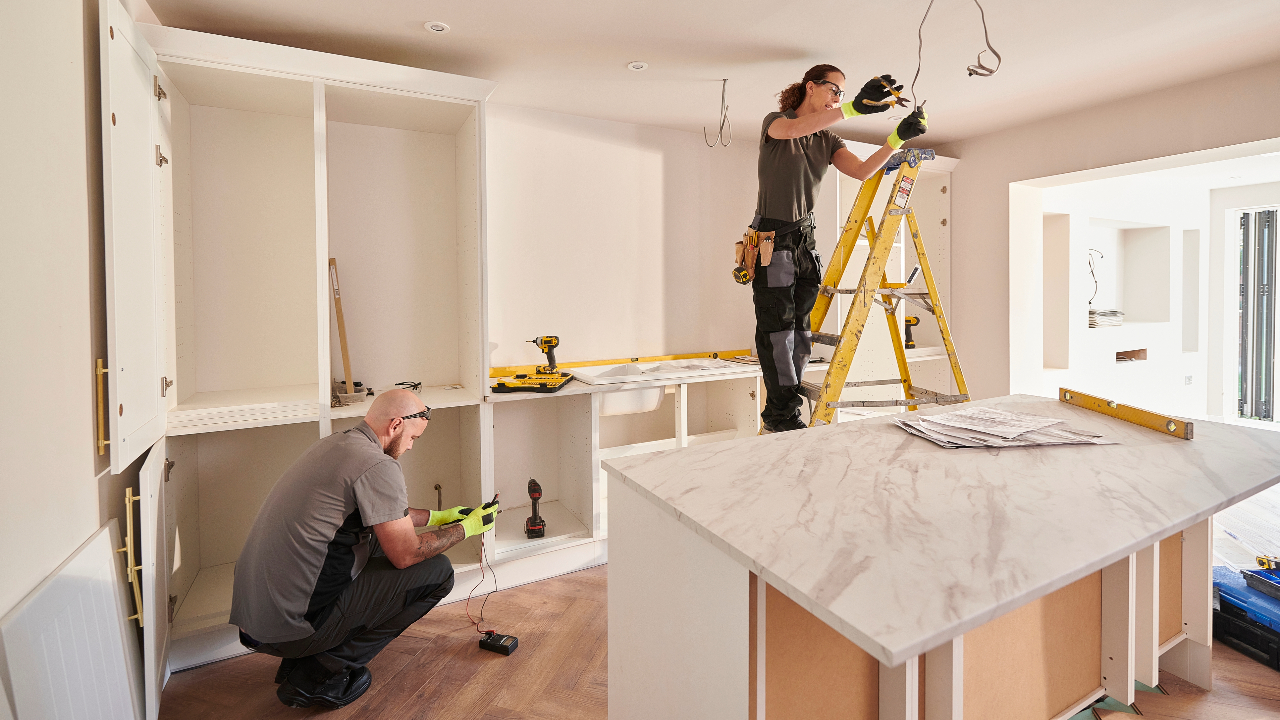

Home improvement is an art form—a delicate balance of style, functionality, and personality. It is not merely about fixing what’s broken, but about creating a space that resonates with the individual, enhances quality of life, and reflects one’s values. Whether you’re looking to refresh a tired living room or embarking on a complete renovation, the journey of transforming a home is both rewarding and transformative. It is an opportunity to design a sanctuary that marries aesthetics with practicality and breathes new life into your surroundings.
The Emotional and Psychological Impact of Home Improvement
The value of home improvement extends beyond the obvious physical changes it brings. It touches on the emotional and psychological dimensions of life. Our homes are not just shelters; they are sanctuaries that represent our identity, offering comfort, peace, and a sense of security. In fact, studies suggest that living in a thoughtfully designed space can lead to greater well-being, productivity, and overall happiness.
The physical environment plays a direct role in shaping our mood and behavior. For instance, bright, natural light can uplift a room, while muted, cooler tones may promote relaxation. Decluttering, a key aspect of home improvement, has been linked to reduced stress levels and greater mental clarity. The act of organizing and creating a functional space fosters a sense of control and tranquility, which in turn boosts one’s mental state.
Equally, the choices made during home improvement are a form of self-expression. Whether you lean toward modern minimalism or embrace eclectic vintage designs, the decor and layout of a home reflect personal taste and values. In a world where external pressures and uniformity often dominate, home improvement offers the unique chance to carve out a personal space that is as unique as the individual inhabiting it.
The Planning Stage: From Concept to Creation
No matter how small or large the project, thoughtful planning is the cornerstone of a successful home improvement endeavor. Without clear direction, even the best ideas can lose their impact. Every project should begin with a well-defined vision. What are you trying to achieve? Do you want to improve the functionality of your kitchen, create a cozy reading nook, or make your home more energy-efficient? Establishing goals will help guide the entire process.
Once the objective is clear, the next step is to set a realistic budget. Home improvements can quickly escalate in cost, and unexpected issues can arise. An accurate budget will not only help manage finances but will also dictate the scope of your project. It’s essential to account for all factors, including labor, materials, tools, and any permits or professional services required. Budgeting wisely ensures you don’t fall into the trap of cutting corners, which can lead to higher long-term costs or unsatisfactory results.
Choosing the right materials and design elements is another critical aspect of the planning process. Think about how different materials will work with your existing space. For example, will hardwood floors complement your living room’s aesthetic, or would something like polished concrete or natural stone be a better fit? Consider durability, ease of maintenance, and environmental impact when selecting materials. A balanced approach between aesthetics and practicality will result in a more harmonious design.
DIY vs. Professional Help: Making the Right Choice
One of the defining aspects of home improvement is the question of whether to take a DIY approach or hire professionals. The answer often lies in the complexity of the task at hand. Smaller, more manageable projects such as painting walls, installing a new backsplash, or assembling furniture are ideal for those who enjoy the satisfaction of a hands-on approach. DIY can be both enjoyable and cost-effective, and it offers a sense of accomplishment when the project is complete.
However, some tasks require expertise that goes beyond the average homeowner’s skill set. Major projects like plumbing, electrical work, and structural renovations should be left to professionals. Not only are these projects technically demanding, but they often involve safety concerns and require adherence to local building codes. For example, improperly installed electrical wiring can pose serious risks, while an unpermitted remodel could affect property values and even insurance coverage.
Hiring professionals does not diminish the personal touch of home improvement. On the contrary, skilled designers, contractors, and tradespeople bring invaluable insight to the project, ensuring that both the practical and aesthetic aspects are considered. Moreover, professionals can often save time and money in the long run by preventing costly mistakes or ensuring that the work meets high standards.
Sustainability: Merging Style with Environmental Responsibility
Today’s homeowners are more conscious than ever of their environmental impact. The growing awareness of climate change and sustainability has led to a rise in eco-friendly home improvement solutions. Incorporating sustainable practices into your renovations is not only an investment in the environment but also in the future of your home.
One of the most popular and effective green home improvements is the installation of energy-efficient systems. Replacing outdated appliances with Energy Star-rated models, upgrading insulation, or installing double-glazed windows can significantly reduce energy consumption. Solar panels have also become an increasingly viable option for homeowners looking to minimize their carbon footprint while cutting down on utility costs in the long term.
Water conservation is another important consideration. Installing low-flow faucets, energy-efficient water heaters, and even rainwater harvesting systems can help reduce water waste. Moreover, choosing sustainable materials such as bamboo flooring, cork tiles, or recycled glass countertops can further lessen the environmental impact of home improvements.
Interestingly, sustainable home improvement does not mean sacrificing style. In fact, green materials often offer a distinctive charm—whether it’s the natural warmth of bamboo or the unique look of recycled materials. Homeowners can achieve the perfect balance between eco-conscious design and modern elegance, resulting in a home that is both sustainable and sophisticated.
Enhancing Curb Appeal: The Outside Matters, Too
While much of the focus in home improvement tends to be on interior spaces, the exterior of your home is just as important. The first impression visitors or potential buyers have of your property is shaped by its curb appeal. Investing in the outer aesthetic of your home can significantly increase its market value while also making it a more inviting place to live.
Enhancements to the exterior can be as simple as repainting the front door, upgrading the landscaping, or adding a stylish outdoor seating area. For larger projects, consider installing new siding, updating the roof, or replacing windows to increase energy efficiency and overall appearance. A well-manicured lawn, paired with thoughtfully chosen plants or trees, can enhance the natural beauty of your home, making it more appealing from the street.
The Future of Home Improvement
As technology continues to evolve, so too does the world of home improvement. Smart home technology, such as thermostats, security systems, and lighting that can be controlled remotely, is becoming increasingly popular. These devices not only improve convenience but also offer significant energy savings, furthering the trend of creating homes that are both high-tech and energy-efficient.
Furthermore, the advent of augmented reality (AR) and virtual reality (VR) tools has revolutionized how homeowners plan and visualize renovations. With the help of these technologies, you can now explore different design layouts, color schemes, and furniture arrangements before committing to any changes, ensuring a more informed decision-making process.
Conclusion
Home improvement is far more than a series of projects; it is an ongoing journey of creating a space that is functional, beautiful, and aligned with your lifestyle. Whether you are embarking on a major renovation or making small upgrades, the process offers a profound opportunity to enhance your home and, by extension, your life. By planning thoughtfully, balancing style with practicality, and embracing sustainable choices, you can craft a living environment that reflects your personality, supports your well-being, and enriches your everyday experience.
Comments are closed.