
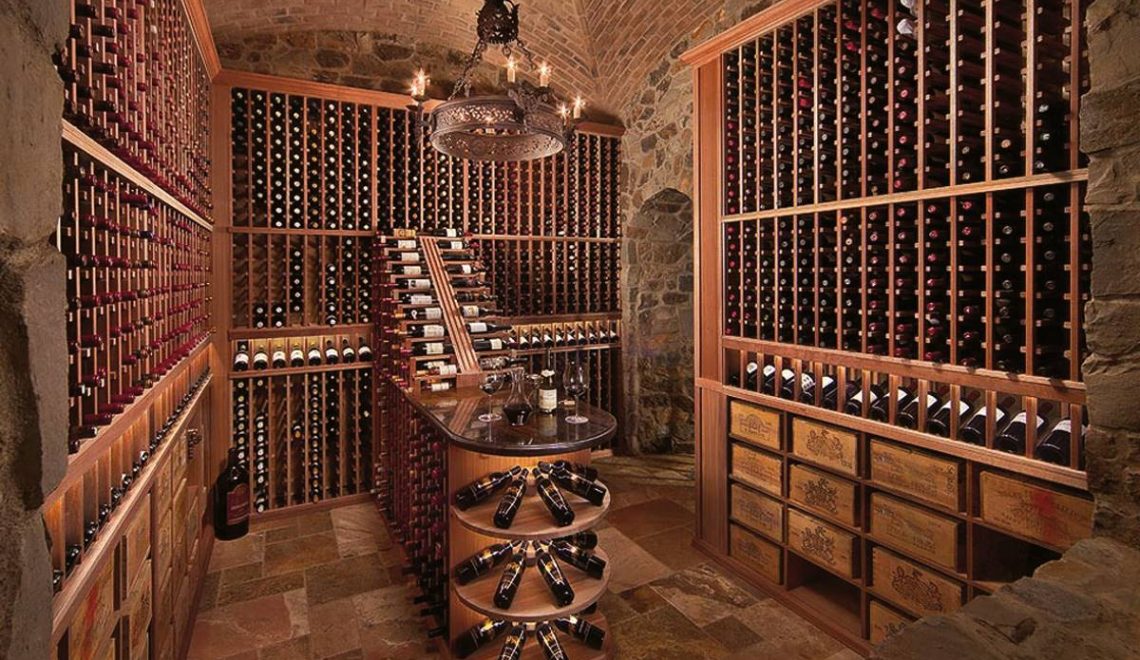

A wine wall can feel open without leaving the collection exposed
A wine collection does not always need deep wood cabinets or a hidden basement room. Many homeowners now prefer bottle storage that feels lighter, cleaner, and easier to view. A slim metal system can turn an unused wall into a display without making the room feel crowded. We created this guide for collectors who want storage to become part of the interior design. That process can be simplified when homeowners shop metal wine racking with bottle capacity, wall structure, finish, and future growth in mind. The best layout should make each label easy to see while keeping every bottle secure.
This guide covers bottle direction, rack capacity, installation planning, finishes, and room balance. We will explain why a beautiful design still needs proper wall support. You will also learn how label-forward racks differ from traditional side-facing storage. Dining rooms, hallways, tasting spaces, and glass cellars may each require a different layout. The goal is not to cover every open inch with bottles. It is to create a display that feels organized when full and intentional when several spaces remain empty. Careful planning can help the finished wall support both daily selections and long-term collecting.
What should you measure before choosing a metal rack system
Begin with the wall rather than the product image. Measure the full width and height of the available area; Mark outlets, switches, trim, vents, doors, and nearby furniture. Check how much space is needed to comfortably remove a bottle. The wall material also matters, as the mounting method must support the rack and the full-bottle load.
Review these planning details
- Available wall width and ceiling height
- Number of bottles stored now
- Expected collection growth
- Location of studs or structural backing
- Clearance around doors and walkways
Count standard bottles and larger formats separately. Champagne bottles and magnums may need different spacing. Leave capacity open for future purchases rather than designing only for the current collection. Accurate measurements help prevent crowded rows and difficult access to bottles.
How can bottle orientation shape the look of the display
Bottle direction changes both storage capacity and visual impact. A label-forward layout makes the collection easy to browse. Side-facing racks may fit more bottles into a narrow section. Mixed arrangements can create display areas for special wines and denser storage for everyday bottles. The best choice depends on how the collection is used.
- Lead with favorite labels
Place meaningful bottles where they can be seen first. This may include special vintages, gifts, or favorite regions. A few carefully chosen labels can create a stronger focal point than an overcrowded wall.
- Build capacity with repeated rows
Consistent spacing creates order. Repeated horizontal or vertical lines help the display feel calm. They also make empty spaces look intentional while the collection grows.
- Reserve room for large bottles
Oversized formats should not be forced into standard supports. Measure them before approving the design. A flexible section can prevent later storage problems.
- Keep daily bottles within reach
Frequently opened wines should remain at a comfortable height. Rare bottles can sit higher or in less active areas. Practical access makes the display easier to enjoy.
Why should finish and lighting be planned at the same time
Metal finishes respond strongly to nearby light. Matte black can create bold contrast against a pale wall. Brushed metal may blend with modern appliances or cool stone. Bronze tones can add warmth beside natural wood. View samples in both daylight and evening light before making the final choice.
Use these visual checks
- Compare the rack with nearby hardware
- Study reflections from glass and windows
- Avoid harsh light directly on bottle labels
- Keep the finish palette simple
- Use low-heat lighting around the display
Lighting should reveal labels without creating glare. A soft wall wash may feel more refined than several bright spotlights. The rack should support the collection rather than become the loudest feature in the room. A limited finish and lighting plan usually creates the most lasting result.
What installation details protect the bottles and the wall
Metal wine racks may appear light, but a full display carries considerable weight. Confirm that the chosen mounting system is suitable for the wall type. Structural backing may be needed before installation. Follow the product instructions for hardware, spacing, and load limits. Professional installation may be wise for tall or large displays.
Remember these safety checks
- Confirm suitable wall backing
- Use approved mounting hardware
- Keep bottles away from busy paths
- Test each section before full loading
- Inspect supports after installation
Load bottles gradually rather than filling the wall at once. Watch for movement, uneven alignment, or loose hardware. Proper installation protects the collection and preserves the clean appearance that made metal racking attractive.
Turn wine storage into a statement of timeless style
Metal wine racking can turn storage into a simple architectural feature. We should begin with accurate measurements, choose a useful bottle direction, coordinate the finish with lighting, and confirm safe wall support. Leave enough open space for the collection to grow naturally. Avoid adding more display than the room can comfortably carry. Start with the wines you enjoy most, build the layout around real habits, and allow the finished wall to tell its story one bottle at a time.
Comments are closed.