

When it comes to the finer details of furniture design and architectural joinery, few components are as underrated yet impactful as concealed hinges. These discreet, functional fittings are essential for achieving that sleek, modern look we often take for granted in kitchens, wardrobes, and office cabinetry.
Unlike traditional exposed hinges, concealed hinges—also known as European hinges or invisible hinges—are mounted inside the cabinet or door frame, making them completely hidden when the door is closed. This subtlety brings more than just aesthetic appeal. It plays a critical role in door alignment, soft-closing functionality, and long-term durability.
In this article, we explore the different types of concealed hinges, their applications, and why they’re a top choice for designers, builders, and DIY enthusiasts alike.
What Are Concealed Hinges and How Do They Work?
Concealed hinges are hardware mechanisms that allow doors to open and close without visible hardware on the exterior when the door is shut. Typically used on cabinet doors and furniture, they are mounted inside the frame, offering a clean, uninterrupted look.
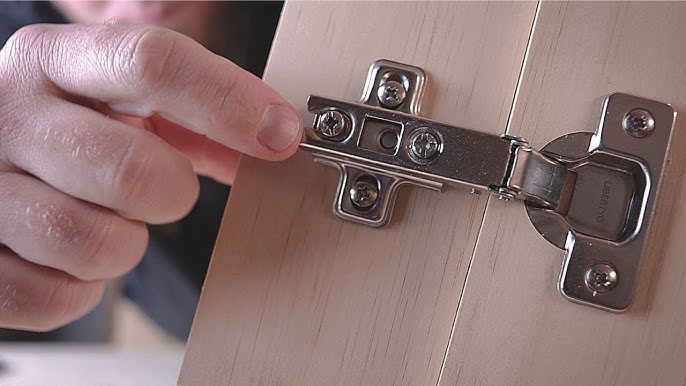
Each concealed hinge consists of:
- The hinge cup (fitted into a hole on the back of the door)
- The mounting plate (attached to the cabinet or carcass)
- Adjustment screws for fine-tuning alignment
- A pivoting arm mechanism that allows smooth door movement
They are often spring-loaded and can include soft-close or push-to-open features, enhancing the user experience in any setting.
Top Benefits of Using Concealed Hinges
Choosing the right hinge can make or break the look and functionality of your joinery project. Here’s why concealed hinges are such a popular choice:
- Seamless Aesthetic
With no visible parts from the outside, these hinges provide a minimalist, polished look—perfect for modern interiors or commercial applications where clean lines matter.
- Full Adjustment Capabilities
Most concealed hinges allow for three-way adjustment: vertical, horizontal, and depth. This ensures perfectly aligned doors and reduces stress on the cabinet frame.
- Enhanced Durability
Made from materials like stainless steel or zinc alloy, concealed hinges are designed for frequent use and often exceed 100,000 open/close cycles.
- Safety and Soft Closing
Many models now include soft-close dampers to prevent slamming, making them ideal for households with children or high-traffic environments like offices and schools.
- Wide Range of Applications
They’re suitable for kitchen cabinets, bedroom wardrobes, utility cupboards, office furniture, and even hidden access doors or panels.
Types of Concealed Hinges: Finding the Right Fit
Not all concealed hinges are the same. Depending on your door overlay (the way the door sits on the cabinet), you’ll need the right type for optimal function and appearance.
Common Types Include:
- Full Overlay Hinges
Used when the cabinet door covers the full face of the carcass or frame. - Half Overlay Hinges
Allow two doors to be mounted on opposite sides of a shared panel. - Inset Hinges
Used when the door sits flush within the cabinet opening. - Soft-Close Hinges
Feature a built-in damper for a silent, controlled close. - Push-to-Open Hinges
Ideal for handleless furniture designs, allowing the door to open with a light push.
Bonus Tip:
Measure your door thickness and check the cup hole diameter (commonly 35mm in the UK) before choosing your hinge model. Some cabinets may require specific arm or mounting plate configurations.
How to Install Concealed Hinges Like a Pro
Whether you’re a professional joiner or an enthusiastic DIYer, installing concealed hinges is relatively straightforward with the right tools and technique.
Basic Installation Steps:
- Drill the Cup Hole
Use a 35mm Forstner bit to drill the cup hole on the back of the door. Ensure precise positioning and consistent depth (usually 12–13mm). - Attach the Hinge Cup
Fit the hinge into the hole and screw it in place. - Mount the Plate
Fix the mounting plate to the inside of the cabinet at the desired height. - Clip the Hinge In Place
Most concealed hinges have a clip-on mechanism for easy attachment to the plate. - Adjust for Alignment
Use the integrated screws to fine-tune the door position until it sits perfectly.
Tools You’ll Need:
- Drill with 35mm Forstner bit
- Screwdriver or electric driver
- Tape measure and pencil
- Spirit level for accuracy
Proper alignment not only ensures smooth operation but also prolongs the life of the hinge by reducing wear and strain.
Maintaining and Adjusting Concealed Hinges Over Time
One of the standout features of concealed hinges is their adjustability—even years after installation. If your cabinet doors start sagging or misaligning, a quick tweak of the hinge screws can restore their original positioning.
Key Maintenance Tips:
- Tighten Loose Screws: Regularly check that all screws are secure, especially in high-use areas like kitchens.
- Lubricate Sparingly: Use a light silicone spray if hinges start to squeak.
- Clean the Mechanism: Wipe down any dust or debris buildup inside the hinge arms.
- Replace Worn Dampers: Soft-close hinges may lose damping ability over time; many can be replaced without changing the entire hinge.
Who Uses Concealed Hinges and Why?
Concealed hinges are used by:
- Cabinet makers and joiners for high-end kitchen, bedroom, and office furniture.
- Interior designers seeking a minimalist finish.
- DIY homeowners looking to upgrade their cabinet doors.
- Contractors and property developers aiming for consistent quality across multiple installations.
They offer a level of refinement that elevates both functionality and aesthetics, making them an essential fixture in any contemporary design project.
The Finishing Touch for Every Door
In the world of hardware, concealed hinges might be hidden—but their impact certainly isn’t. These sleek, adjustable, and highly functional hinges are a cornerstone of modern joinery, offering both style and substance. Whether you’re fitting new cabinets or upgrading existing furniture, using high-quality concealed hinges ensures a smooth, long-lasting result.
Ready to enhance your next project with premium hardware? Discover the full range of concealed hinges available now and take your joinery work to the next level with trusted, high-performance fittings.
Comments are closed.