
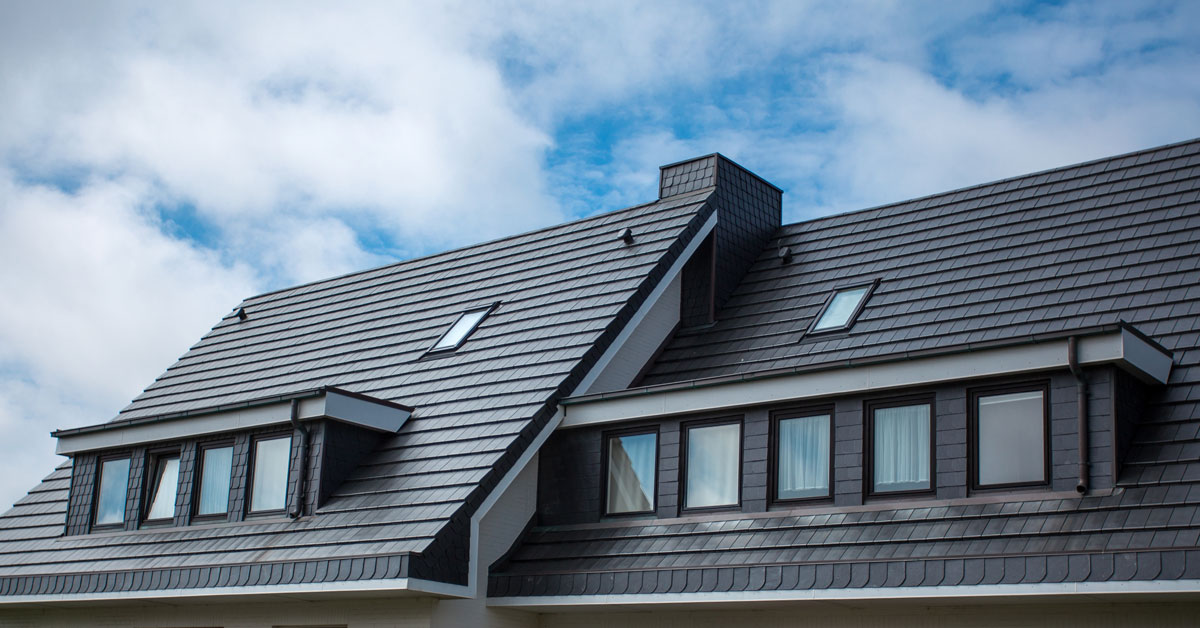

The roof is more than just the top layer of a house. It is a critical component of a home’s structure, providing essential protection from the elements and contributing significantly to the overall aesthetic appeal and energy efficiency of a building. A well-maintained roof not only enhances the visual charm of a property but also ensures the longevity of the home’s interior and foundation. Whether you are building a new home, replacing an aging roof, or simply making repairs, understanding the various aspects of roofing can help homeowners make informed decisions that protect their investment.
Roofing, however, is not a one-size-fits-all endeavor. The right roof for your home depends on a range of factors including climate, architectural style, budget, and long-term goals. The process of selecting the right materials, maintaining the roof, or replacing it when necessary involves careful consideration and planning. In this article, we will explore the significance of roofing, the types of roofing materials available, common roofing problems, and how to choose the right roofing solution for your home.
The Importance of a Roof
The roof of a home serves several key functions that go far beyond its aesthetic qualities. Primarily, it acts as the first line of defense against weather conditions such as rain, snow, wind, and extreme temperatures. A properly constructed and well-maintained roof ensures that the interior of the house remains dry, comfortable, and safe.
-
Protection from the Elements
The primary function of a roof is to shield the home from the elements. It deflects rainwater, snow, and ice away from the walls, foundation, and interior spaces. A leaking or damaged roof can lead to significant water damage, compromising the integrity of the home and potentially causing the growth of mold, mildew, and rot. Furthermore, a roof helps prevent the intrusion of pests and debris, which can also pose a threat to the health and safety of the occupants. -
Energy Efficiency
In addition to providing shelter, a roof plays a crucial role in a home’s energy efficiency. A well-insulated roof helps regulate indoor temperatures by reducing the need for excessive heating in the winter and air conditioning in the summer. Certain roofing materials, such as reflective coatings or cool roofs, can reflect solar heat, further reducing energy consumption and lowering utility bills. -
Aesthetic Appeal
A roof is one of the most visible features of a home, and it contributes to the overall curb appeal and architectural style. Whether it is the sleek lines of a modern flat roof or the timeless charm of a sloping, gabled design, the style and material of your roof can significantly impact how your home is perceived. A carefully chosen roof not only protects but also complements the architectural design, enhancing the visual appeal of the property.
Types of Roofing Materials
Choosing the right roofing material is a crucial decision that depends on several factors, including budget, climate, and the style of the home. There are a variety of roofing materials available, each with its unique advantages and considerations. Below are some of the most popular options.
-
Asphalt Shingles
Asphalt shingles are one of the most common and affordable roofing materials in North America. Known for their versatility, they come in a range of colors and styles, from traditional three-tab shingles to more luxurious architectural shingles. Asphalt shingles are relatively easy to install, durable, and resistant to wind and fire. They also have a reasonably long lifespan (typically 20-30 years), making them a solid choice for homeowners seeking a cost-effective yet dependable option. -
Metal Roofing
Metal roofs have gained popularity in recent years due to their durability, energy efficiency, and modern appearance. Made from materials such as steel, aluminum, or copper, metal roofs are highly resistant to extreme weather, including heavy snow, rain, and wind. They are also fire-resistant and require very little maintenance. One of the major benefits of metal roofing is its longevity—most metal roofs can last upwards of 50 years or more. Additionally, metal roofs are energy-efficient, reflecting solar heat and helping to reduce cooling costs in the summer. -
Clay and Concrete Tiles
Clay and concrete tile roofs are known for their distinct, Mediterranean-inspired appearance and their impressive durability. These tiles are highly resistant to heat, moisture, and fire, making them an excellent choice for homes in hot, dry climates. Although heavier than other roofing materials, clay and concrete tiles can last for decades, often up to 50 years or more. However, they tend to be more expensive and require more substantial structural support, making them a less viable option for certain homes. -
Wood Shingles and Shakes
Wood shingles and shakes offer a natural, rustic aesthetic that appeals to homeowners seeking a more organic look for their property. Typically made from cedar, redwood, or pine, wood roofing materials are eco-friendly and provide excellent insulation. Shingles are smooth and uniform, while shakes are thicker and more textured, creating a more rustic, uneven look. Though wood roofs are durable, they require regular maintenance, including cleaning and treatments to prevent rot, mold, or insect infestation. In addition, wood roofing may not be the best choice for areas with high fire risk. -
Slate Roofing
Slate is one of the most luxurious and durable roofing materials available. Known for its elegant appearance and exceptional longevity, slate roofs can last over 100 years with proper care. Slate tiles are natural stone, resistant to fire, rot, and pests, and they can withstand extreme weather conditions. However, slate roofing is also one of the most expensive options, and it requires skilled installation. Given its weight, slate roofing may require reinforcement of the roof’s structure. -
Synthetic Roofing Materials
Synthetic roofing materials, such as synthetic slate or rubber tiles, have been developed to offer the look of natural materials like slate or wood with a more affordable price tag and greater durability. These materials are often made from recycled products and are designed to be lightweight, weather-resistant, and low-maintenance. Synthetic roofing options can mimic the appearance of natural stone, wood, or tile, making them an attractive choice for homeowners who want the aesthetic without the expense.
Common Roofing Problems
While a roof is designed to last for many years, various issues can arise due to age, poor installation, or exposure to harsh weather conditions. Common roofing problems include:
-
Leaks
Water leaks are among the most common roofing issues, often caused by damaged shingles, flashing, or deteriorating seals around chimneys and vents. Leaks can lead to significant water damage inside the home, so it is essential to address them promptly. -
Missing or Damaged Shingles
Over time, shingles can become worn, cracked, or blown off by strong winds. Missing or damaged shingles compromise the roof’s integrity and may allow water to seep into the structure. -
Clogged Gutters
Clogged gutters can cause water to back up on the roof, leading to water damage and the growth of mold or mildew. Regular gutter cleaning is essential to ensure proper drainage and protect the roof from water-related issues. -
Moss or Algae Growth
In humid climates, moss or algae can grow on the roof, creating a slippery surface and causing the shingles to deteriorate. This can be prevented with proper maintenance, including cleaning and using algae-resistant roofing materials.
Maintaining Your Roof
Regular maintenance is key to extending the lifespan of your roof and preventing costly repairs. Here are some essential roof maintenance tips:
-
Inspect Regularly
Inspect your roof at least twice a year, ideally in the spring and fall, to check for any signs of damage or wear. Look for missing shingles, sagging areas, or any debris that could cause blockage. -
Clear Debris
Keep the roof free of leaves, twigs, and other debris that can trap moisture and contribute to moss or algae growth. This is especially important if you have a flat or low-pitched roof. -
Clean Gutters
Ensure your gutters are clean and free of debris so that water can flow freely. Clogged gutters can lead to water damage and even roof leaks. -
Hire a Professional
While many homeowners can handle minor roof repairs, it’s advisable to hire a professional roofer for major repairs or inspections. A licensed contractor can ensure the roof is properly assessed and repaired according to industry standards.
Conclusion
The roof is more than just an aesthetic feature of a home—it is a critical element that protects your home, contributes to energy efficiency, and enhances your property’s overall appeal. With a wide array of roofing materials available and a variety of potential issues to address, choosing the right roof and maintaining it properly is essential for ensuring the longevity and safety of your home. By selecting the appropriate roofing material for your climate and style, addressing problems promptly, and keeping up with regular maintenance, you can enjoy a durable, beautiful roof that will protect your home for years to come.
Comments are closed.