
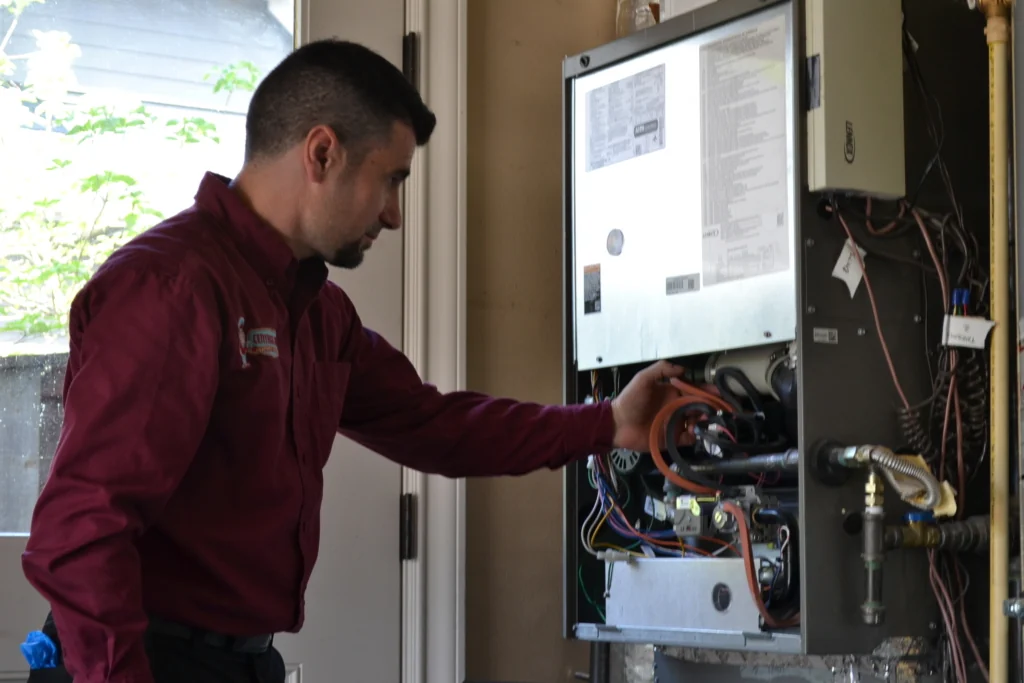

A heating system that has served a home for many years may still appear dependable, but age alone does not reveal its current condition. Repeated faults, uneven heating, unusual noises and rising energy bills can indicate that equipment is becoming less reliable. Understanding these warning signs helps homeowners decide whether a repair is sensible or whether replacing the system would provide better long-term value.
For homeowners researching Pittsburgh furnace repair and replacement, the decision often depends on the severity of the fault, the system’s condition and the cost of future maintenance. A carefully assessed repair may restore reliable operation, while an ageing system with recurring problems could justify an upgrade. Comparing both options helps avoid unnecessary spending and supports a more informed decision about home heating.
Signs Your Heating System May Need Attention
Frequent breakdowns are a common reason to reconsider an older heating system. If the equipment repeatedly stops working, requires replacement parts or struggles to maintain a comfortable temperature, the underlying problem may be more significant than a single faulty component. Persistent banging, grinding or rattling sounds also deserve investigation, as they can indicate mechanical wear or loose parts.
Changes in performance can provide further clues. Rooms that remain cold, unusually long heating cycles or unexplained increases in energy consumption may point to a problem with the equipment, controls, insulation or air distribution. None of these symptoms automatically means replacement is necessary. A qualified heating engineer can inspect the system, identify the cause and explain whether repair is likely to remain a practical option.
Repair or Replace: Weighing the Options
Repairing an existing furnace can be the more straightforward choice when the fault is isolated and the rest of the system remains in sound condition. It may avoid the expense of new equipment and limit disruption to the household. Before agreeing to work, ask for a clear explanation of the fault, the proposed repair, the expected lifespan of the repaired component and any warranty that applies.
Replacement may be worth considering when faults keep returning, important components are deteriorating or suitable parts are difficult to obtain. Although a new system involves a larger initial investment, it may offer improved controls, better efficiency or greater reliability, depending on the equipment selected. When comparing Pittsburgh furnace repair and replacement, consider the overall condition of the existing system rather than making a decision based solely on the latest repair bill.
Understanding Costs and Long-Term Value
Repair costs depend on the nature of the fault, the parts required and the labour involved. A relatively simple repair may be economical, whereas extensive work on an ageing system can make replacement more attractive. Request a written estimate that explains what is included and ask whether additional faults could increase the final cost. If several components are showing signs of wear, discuss the likely maintenance needs of the system over the coming years.
Replacement costs vary according to the equipment type, heating capacity, installation requirements and condition of existing connections or distribution systems. Homeowners should compare quotations carefully, checking whether removal of old equipment, necessary modifications, controls and commissioning are included. Consider expected running costs alongside the purchase price, but avoid assuming that a higher-efficiency model will automatically recover its cost within a particular period.
Installation Disruption and Planning Ahead
Replacing a heating system can temporarily affect household routines. The amount of disruption depends on where the equipment is located, whether existing pipework or ductwork can be reused and whether electrical, ventilation or flue arrangements need changing. Before work starts, ask the installer how long the job is expected to take, whether heating or hot water will be unavailable and how the work area will be kept safe and accessible.
Planning ahead can make the process easier, particularly during colder months when heating is essential. Arrange an assessment before the system fails completely if warning signs are already present. Confirm who will remove the old equipment, dispose of it appropriately and test the replacement before handover. You should also receive clear operating instructions, maintenance recommendations and relevant warranty documents.
Building Regulations and Professional Installation
In the UK, heating upgrades must meet the building regulations and other requirements that apply to the property and the work being undertaken. Requirements can vary depending on the equipment, the building’s location and the nature of the installation. Some work may need to comply with energy-efficiency, ventilation, electrical safety or combustion-related provisions. Listed buildings and properties in conservation areas may have additional considerations where alterations affect protected features.
Before committing to an installation, check the relevant requirements with your local authority or a suitably qualified installer. Gas appliances must be installed or serviced by an appropriately registered professional, while other systems may require different qualifications. Ask whether building control notification, certification or other approvals are necessary. Correct sizing, safe installation and proper commissioning are essential to ensuring that the new system operates as intended.
Final Overview
An older heating system does not always need replacing, but repeated breakdowns, declining performance and increasingly expensive repairs should not be ignored. A professional assessment can establish whether the existing equipment remains worth repairing or whether replacement offers a more sensible long-term solution. Comparing the condition of the system, repair costs and expected future maintenance helps homeowners make a balanced decision.
Before proceeding, obtain a clear quotation, understand the likely disruption and confirm that all relevant safety and building requirements will be met. Whether you retain the existing equipment or invest in a new system, regular maintenance and prompt attention to developing faults can help support reliable heating and comfortable indoor temperatures.
Comments are closed.