
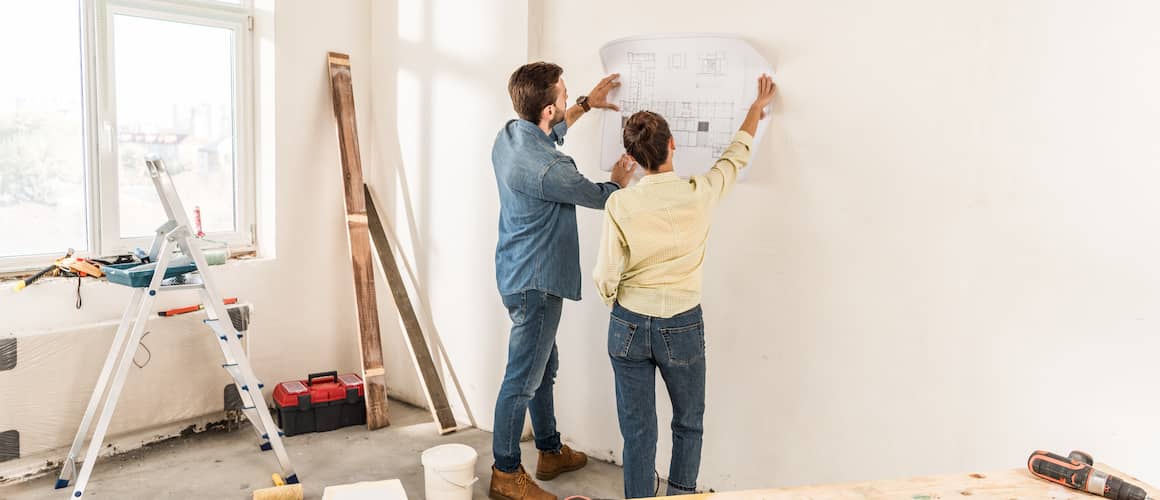

Home improvement is not just about fixing what’s broken; it’s a comprehensive process that melds creativity, functionality, and personal expression. Whether you are renovating a room, enhancing curb appeal, or revamping your entire home, every project offers an opportunity to elevate your living space. It is a delicate balance of aesthetic vision and practical design, and when executed thoughtfully, it has the power to enhance not only your environment but also your daily life.
The Psychology Behind Home Improvement
The value of home improvement goes beyond the tangible outcomes. Home is where we seek comfort and security, and improving its functionality and appearance can have a profound psychological impact. A thoughtfully renovated space can provide a sense of order, calm, and well-being, while a cluttered or poorly designed environment can breed stress and dissatisfaction. Research has shown that a well-organized, aesthetically pleasing home can improve mood, reduce anxiety, and even increase productivity.
In many ways, home improvement is a form of self-expression. Just as a piece of art reflects the artist’s vision, a well-curated home reflects the personality and values of its occupants. Whether it’s a minimalist Scandinavian design, a rustic farmhouse vibe, or a modern, industrial flair, the choices made during a home improvement project give a glimpse into the homeowner’s character.
The Value of Planning and Vision
Before embarking on any home improvement project, whether large or small, careful planning is essential. Without a clear vision, even the most well-intentioned projects can falter. The first step in planning is identifying the purpose behind the improvement. Are you looking to increase the home’s value for resale? Or perhaps you simply want to make the space more functional and enjoyable for your own use?
Once the purpose is defined, a detailed budget must be established. It’s easy to get carried away with ideas, but a realistic budget ensures that the project remains financially feasible. Factor in all costs, from materials and labor to unexpected contingencies, and leave room for adjustments. Cutting corners might be tempting in the short term, but poor-quality work or materials will cost more in the long run.
The design phase is where imagination meets reality. Homeowners often turn to interior designers or architects for professional guidance, while others prefer to dive into DIY resources like Pinterest, YouTube tutorials, or home design apps. Whichever approach you choose, it’s crucial to maintain a cohesive vision for the space. This means considering the flow between rooms, color schemes, furniture arrangements, and even lighting choices. Remember, a space can be both aesthetically pleasing and practical, with each element working together to serve a distinct purpose.
DIY vs. Hiring Professionals
The DIY trend has gained significant popularity in recent years, fueled by social media platforms like Instagram and YouTube. While many small projects can be tackled by enthusiastic homeowners, there are instances when hiring professionals makes more sense. Major renovations, such as electrical rewiring, plumbing updates, or structural changes, require specialized knowledge and experience to ensure safety and compliance with building codes.
A skilled contractor, designer, or tradesperson can save you time, prevent costly mistakes, and bring a level of expertise that may be difficult to replicate in DIY projects. For example, professional painters are able to achieve flawless finishes with techniques that are hard for a novice to master. Likewise, designers can take into account elements like lighting, space utilization, and ergonomics, ensuring that every detail works in harmony with the overall aesthetic.
Nonetheless, DIY projects can be incredibly rewarding, particularly for those with a knack for creativity and hands-on work. Simple tasks like painting, tiling, or landscaping can transform a space on a budget and give homeowners a sense of pride in their work. Moreover, DIY projects offer the flexibility to personalize every inch of the space, making it uniquely your own.
Sustainable Home Improvements
In today’s world, sustainability has become a central concern in every aspect of life, and home improvement is no exception. Sustainable home improvements not only reduce your carbon footprint but also lead to long-term cost savings. From energy-efficient appliances to eco-friendly materials, there are numerous ways to make your home both stylish and sustainable.
For example, installing solar panels can dramatically reduce electricity costs over time, while upgrading insulation and windows can improve energy efficiency. Choosing low-VOC paints, bamboo flooring, or recycled materials for furniture and cabinetry can help minimize environmental impact without sacrificing quality or aesthetic appeal. Additionally, water-saving fixtures, such as low-flow faucets and rainwater harvesting systems, are becoming increasingly popular in eco-conscious homes.
Incorporating sustainable practices into your home improvement plan doesn’t have to mean sacrificing style. In fact, many contemporary designs embrace green technologies and eco-friendly materials, creating a modern, chic living space that is also kind to the planet.
Curb Appeal and Exterior Enhancements
The exterior of your home is the first impression that visitors and potential buyers will have. Enhancing curb appeal not only improves the aesthetic value of your property but also boosts its market value. A well-maintained exterior gives the impression of a well-cared-for home, making it more inviting and appealing.
Small improvements, such as adding a fresh coat of paint to the front door, upgrading outdoor lighting, or planting a garden, can significantly enhance the curb appeal without a hefty investment. For a larger project, consider updating the roof, adding new siding, or installing custom windows that complement the overall design of your home.
Another crucial aspect of exterior home improvement is landscaping. A well-designed garden, manicured lawn, and thoughtfully placed outdoor furniture can create a serene and welcoming atmosphere. Whether you prefer a lush, tropical garden or a more minimalist approach with succulents and clean lines, the right landscaping choices can greatly improve both the look and feel of your home’s exterior.
The Future of Home Improvement
As we move toward the future, home improvement will continue to evolve, driven by advancements in technology, design trends, and sustainability efforts. Smart home technology, for instance, is transforming the way we live by making homes more efficient, secure, and convenient. From smart thermostats to home security systems, the integration of technology into home improvement is becoming increasingly common.
Similarly, the rise of virtual reality (VR) and augmented reality (AR) tools is reshaping how homeowners visualize and plan their renovations. These technologies allow users to explore 3D models of their spaces and experiment with different design choices before making any changes, providing a more immersive and informed approach to home improvement.
In conclusion, home improvement is both an art and a science, a delicate dance between style, function, and purpose. Whether you’re enhancing your home’s value for resale, creating a more comfortable and personalized living environment, or embracing sustainable choices, home improvement offers limitless opportunities for transformation. With careful planning, thoughtful execution, and a clear vision, the process can be a deeply rewarding journey—one that not only elevates the home but enriches the lives of those who dwell within it.
Comments are closed.