
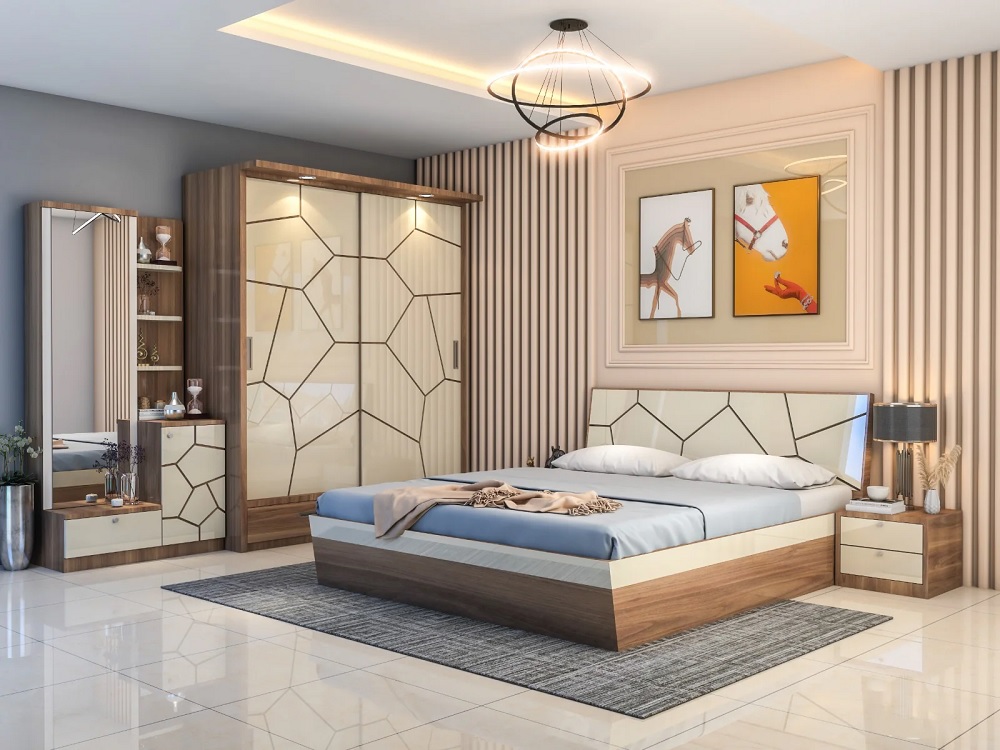

Furniture is more than just functional objects scattered around a room; it is an essential element of interior design, shaping both the aesthetic and the practical experience of a space. From the sleek, minimalist designs of modernism to the rich, ornate carvings of Baroque styles, furniture has played a pivotal role in defining how we live, work, and express ourselves within our surroundings. Whether it is a luxurious leather sofa, an elegantly crafted dining table, or a simple, ergonomic office chair, the furniture in a room acts as both a form of utility and a canvas for personal style. As interior design trends evolve and new materials and technologies emerge, furniture continues to be a crucial player in the art of creating spaces that are not only beautiful but functional and comfortable.
The Evolution of Furniture: A Historical Perspective
The history of furniture is as old as human civilization itself, with the earliest pieces emerging from the basic needs of protection and functionality. In the ancient world, furniture was primarily functional—early Egyptians, for example, created simple stools, tables, and chests to serve the needs of the household, with materials ranging from stone to wood. These early pieces were often minimalist, utilitarian objects that fulfilled basic needs without much concern for aesthetic appeal.
As civilizations grew and cultures advanced, furniture began to evolve into a more decorative and expressive form. The Greeks and Romans, for instance, not only crafted pieces that served practical purposes but also began incorporating intricate designs into their furnishings. The Roman period, in particular, saw the rise of more elaborate furniture pieces, such as couches (or “lectus”) used in reclining, and finely crafted tables adorned with marble and inlay work.
In the Middle Ages, furniture continued to be both functional and symbolic, with elaborate chests and cabinets being used to store wealth and valuables. During the Renaissance, furniture underwent a dramatic transformation, with elaborate carvings and gilded accents becoming the hallmark of the period. The 18th century, marked by the rise of Rococo and Baroque styles, brought furniture to its highest level of ornamentation, as designers created pieces that were as much about artistry as they were about utility.
By the time the Industrial Revolution arrived, mass production techniques revolutionized furniture-making. The focus shifted from purely artisanal craftsmanship to affordability and efficiency, while designers like Charles and Ray Eames and Ludwig Mies van der Rohe championed modernism, creating furniture that embraced simplicity, clean lines, and industrial materials. The 20th century saw the birth of iconic pieces like the Eames lounge chair and the Barcelona chair, which are still celebrated for their innovation and timeless design.
The Role of Furniture in Interior Design
Furniture, in its most basic sense, serves as the functional backbone of any room. It provides seating, storage, and surfaces for daily activities. Yet, the role of furniture extends beyond these practical purposes—it also contributes significantly to the aesthetic character of a room. In many ways, furniture is the “face” of a space, offering visual cues that influence the mood and atmosphere of the environment.
For example, the choice of a sofa can transform a living room from a cozy, intimate space to a more formal, modern gathering area. A large, plush sectional might convey comfort and relaxation, while a sleek, angular couch can suggest a more contemporary or even minimalist vibe. Similarly, the dining table, as a central piece in the home, is not only a place for meals but often a reflection of family traditions and values, its design evoking the kind of social interaction it encourages.
In professional settings, furniture plays a vital role in shaping the dynamics of work and productivity. Office chairs, desks, and conference tables are not just about efficiency—they are also about fostering an environment that supports collaboration, focus, and creativity. A well-designed office space can contribute to employee well-being, while an aesthetically cohesive work environment can reflect the company’s culture and ethos.
Key Types of Furniture and Their Function
Furniture is as diverse as the spaces it inhabits, ranging from functional essentials to artistic statements. Below are some of the key types of furniture and their roles in interior design.
Seating: The Heart of Comfort and Style
Seating is one of the most fundamental types of furniture, as it provides the comfort necessary for relaxation, conversation, and rest. Sofas and armchairs, whether in a traditional, contemporary, or eclectic style, are the primary focus of living rooms and family spaces. The material choices for seating are vast—leather, fabric, velvet, and linen all bring their own unique texture and aesthetic to a room, while also determining the level of comfort and maintenance required.
In addition to sofas and armchairs, dining chairs, bar stools, and benches contribute to a room’s seating arrangements, each tailored to the specific function of the space. A well-chosen chair can elevate the design of a room, whether it’s a vintage wooden chair adding character to a rustic dining room or a sculptural, modernist chair acting as a statement piece in a minimalist space.
Tables: Surfaces That Define Functionality
Tables serve as the functional centerpiece in many rooms, from the coffee table that anchors the living room to the desk that shapes the home office. Coffee tables come in a variety of styles, from low, minimalist designs to more ornate, traditional pieces made of wood or metal. Dining tables, which are often the largest and most enduring pieces of furniture in a home, can range from large, formal tables in dining rooms to more casual, multi-functional tables in kitchens and breakfast nooks.
Desks, often associated with workspaces, have evolved over time from simple, utilitarian surfaces to sophisticated designs that balance both style and function. Modern desks come in a range of materials—from wood to glass and metal—and can include features such as built-in storage, adjustable heights, and ergonomic designs to suit the needs of today’s workers.
Storage: Organizing Space with Style
Storage furniture, including bookshelves, cabinets, and wardrobes, is indispensable for keeping spaces organized and clutter-free. While primarily functional, storage solutions have also become an opportunity for design innovation. Bookshelves, once simple pieces for holding books, have become statement pieces in their own right, often designed to showcase artwork or act as room dividers in open-plan spaces. Cabinets and sideboards, traditionally used for dining and kitchenware, now serve multiple purposes, often doubling as stylish storage solutions in living rooms and hallways.
Bedroom Furniture: Restful Retreats and Personal Style
In the bedroom, furniture plays an especially important role in creating an atmosphere conducive to rest and relaxation. The bed, of course, is the focal point, and its design can significantly impact the overall ambiance of the room. From traditional four-poster beds to modern platform designs, the bed is not only about comfort but also about expressing personal taste. Nightstands, dressers, and wardrobes are equally important in a bedroom, offering both storage and visual balance. The careful selection of these pieces can enhance a space’s tranquility, turning a bedroom into a serene, restful retreat.
Trends in Modern Furniture Design
Contemporary furniture design has seen a convergence of form and function, with an emphasis on minimalist aesthetics, sustainable materials, and versatility. Modular furniture, for instance, allows for customization, enabling pieces to be reconfigured based on the needs of the user. This trend is particularly popular in smaller spaces, where adaptability and efficient use of space are paramount.
Sustainability has also become a major driving force in modern furniture design. Many designers are turning to eco-friendly materials such as reclaimed wood, bamboo, and recycled metals, which not only offer a unique look but also reduce the environmental impact of production. Additionally, the rise of artisanal and handcrafted furniture has contributed to a renewed appreciation for quality craftsmanship and timeless design.
Conclusion: The Timeless Importance of Furniture
Furniture is far more than just a means of filling a space; it is a fundamental part of how we experience the world around us. It supports our daily activities, reflects our personal tastes, and influences the functionality of our environments. The right furniture can transform a room from a mere space into a reflection of personal style and a haven for comfort and creativity. As trends evolve and new materials and technologies emerge, the art of furniture design will continue to shape the way we live, work, and interact with the spaces we inhabit. Whether in the form of a sleek modern sofa, an elegant vintage chair, or a multifunctional dining table, furniture remains one of the most important elements of interior design, offering both utility and artistry in equal measure.
Comments are closed.