
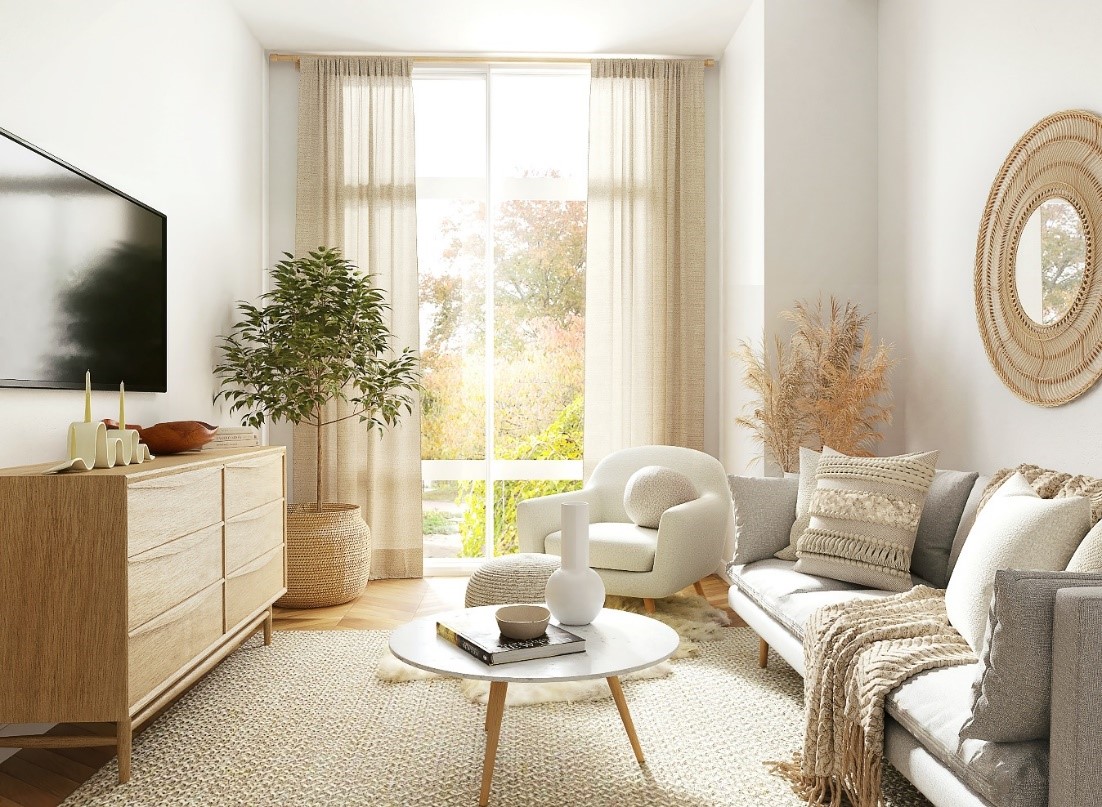

As urban areas expand and the cost of square footage rises, small space living has transitioned from a temporary compromise to a deliberate lifestyle choice. Whether inhabiting a compact studio apartment, a converted loft, or a tiny home, residents face the ongoing challenge of optimizing limited space without sacrificing comfort or aesthetic appeal. The primary obstacle in micro-living is rigid layout limitations. Standard furniture pieces often occupy excessive physical territory while performing only a single task.
To overcome these constraints, interior designers and spatial engineers focus extensively on multifunctional furniture. These innovative pieces are deliberately engineered to serve two or more distinct purposes, seamlessly shifting forms depending on the immediate needs of the occupants. By utilizing dynamic items that adapt throughout the day, small homes can feel twice their physical size, transforming from a bedroom by night into a fully functional workspace or dining room by day.
The Evolution of Space Saving Furniture
Multifunctional design is not a modern anomaly, but its sophisticated integration into high-end aesthetics is a recent development. Historically, space-saving furniture was relegated to cheap fold-out cots or clunky futons that prioritized basic survival over design harmony. Today, engineering advancements and smart materials have completely changed the landscape. Modern transformable furniture features hidden mechanisms, soft-close hardware, and lightweight yet durable alloys that allow structural configurations to change with minimal physical effort.
The modern design philosophy prioritizes fluid spaces. A room should no longer be defined solely by its dominant piece of furniture. Instead of dedicating an entire room to a guest bed that remains empty ninety percent of the time, homeowners can utilize integrated components that serve daily practical functions while remaining ready for secondary tasks.
Key Categories of Transformable Design
To effectively execute a multifunctional strategy, it is helpful to understand the primary types of dual-purpose furniture available and how they address specific spatial dilemmas.
Seating That Works Overtime
The sofa is traditionally the single largest consumer of floor area in a living room. In a small apartment, selecting a standard couch can restrict layout options.
-
Storage Sectionals: Many modern sectionals feature hidden hinges beneath the chaise lounge element. Lifting the cushion reveals a vast cavity ideal for storing seasonal wardrobe items, extra bedding, or sports gear.
-
Modular Blocks: These seating arrangements consist of individual upholstered cubes or sections that can be rearranged at will. They can be pushed together to form a large lounge surface, separated into individual armchairs for social gatherings, or repositioned to serve as footrests and temporary side tables.
-
Embedded Shelving: High-end sofas now feature wooden armrests that double as built-in bookcases or media ledges, removing the need for standalone end tables.
Tables That Expand and Contract
Dining tables and work desks are notorious for creating dead space when not actively in use. A massive dining table sits idle for hours, yet takes up valuable floor real estate.
-
Transforming Coffee Tables: These items feature internal gas-lift mechanisms that allow the tabletop to rise up and forward. In its lowered state, it functions as a standard low-profile coffee table. When raised, it reaches the ergonomic height of a dining table or work desk, providing hidden storage underneath the lifting mechanism.
-
Wall-Mounted Drop-Leaf Desks: Perfectly suited for remote workers in studio apartments, these units hang flat against the wall like a shallow cabinet. When lowered, the cabinet front drops down to form a sturdy workspace capable of holding a laptop and monitor, then folds away at the end of the day to restore the room’s open walkway.
Reimagining the Bed
Sleeping quarters require the most significant investment of physical space, making the bedroom a primary target for multifunctional optimization.
-
Modern Hydraulic Storage Beds: Unlike older models with cumbersome drawers that require wide side clearances to open, hydraulic lift beds raise the entire mattress platform effortlessly. This exposes the entire footprint of the bed frame as clean, dust-free storage space.
-
Integrated Murphy Wall Beds: The contemporary iteration of the wall bed is highly sophisticated. Many models feature a fully functional desk or sofa attached to the front face. When the bed is lowered, the desk automatically folds flat underneath the mattress platform without needing to be cleared of papers or small items, allowing a seamless transition from day shift to bedtime.
Strategic Benefits of Dual-Purpose Furniture
Embracing multifunctional furniture yields substantial long-term benefits that extend far beyond simple organization.
Financial Efficiency
Purchasing high-quality, transformable pieces can require a higher initial investment than buying entry-level, single-purpose furniture. However, looking at the total cost reveals significant savings. Buying a single high-quality coffee table that elevates into a dining table eliminates the need to purchase two separate pieces of furniture. Furthermore, maximizing the utility of a smaller living space can prevent the need to upgrade to a larger, more expensive apartment.
Visual Decluttering
Clutter is the most significant factor that makes a small room feel claustrophobic. When items have designated, hidden storage zones within the furniture itself, surfaces remain clear. This visual minimalism allows the human eye to travel smoothly across a room without encountering visual blockages, which naturally induces a psychological sense of calmness and order.
Enhanced Mobility and Flex Space
Static furniture creates fixed pathways that dictate how you move through your home. Transformable furniture allows for dynamic zoning. If you enjoy hosting dinner parties but also need space for morning yoga, a folding or nesting furniture layout lets you quickly clear the floor area to adapt to the activity of the moment.
How to Select and Invest Wisely
Because multifunctional furniture relies on moving parts, joints, and hinges, choosing pieces based solely on the lowest price point can lead to premature mechanical failure.
Prioritize Hardware Quality
When evaluating a piece of transformable furniture, inspect the moving mechanisms closely. High-quality items utilize gas chalices, stainless steel counterweights, and ball-bearing slides that operate silently and smoothly. If a mechanism squeaks, catches, or requires significant physical strain to move in the showroom, it will likely deteriorate quickly under the strain of daily residential use.
Measure Tolerances and Clearances
Before purchasing an expanding or folding item, you must measure your space twice. You need to account for both the compact dimensions and the fully extended footprint of the furniture. Ensure that when a bed is lowered or a table is extended, it does not block emergency exits, hit radiators, or prevent bathroom doors from opening properly.
Frequently Asked Questions
Are multifunctional furniture pieces heavy and difficult to move during relocation?
Many high-quality pieces are engineered using modular frameworks, meaning they can be disassembled into smaller components for transport. While the core mechanical frames can be dense due to reinforced steel components, their ability to break down often makes navigating tight stairwells and elevators easier than moving bulky traditional couches.
Can a modern wall bed handle a high-quality mattress for daily sleep?
Modern wall beds are designed to accommodate standard residential mattresses, including memory foam and pocket-sprung options up to a specific thickness, usually around ten to twelve inches. They feature heavy-duty slat systems that provide equivalent orthopedic support to a traditional stationary bed frame.
How do I clean and maintain the mechanical parts of transformable furniture?
Maintenance is generally minimal. It involves periodically checking for loose screws or bolts and tightening them to ensure structural integrity. For moving joints, a light application of silicone lubricant once a year keeps the hinges quiet. Keeping the internal tracks free of dust and debris via regular vacuuming prevents the rollers from jamming.
Is multifunctional furniture safe for households with young children?
Reputable manufacturers design these items with safety locks and balanced counterweight systems. Wall beds and lifting coffee tables often feature hydraulic dampers that prevent the units from dropping suddenly if released. However, parents should look for models with rounded edges and lockable mechanisms to ensure children cannot accidentally trigger the transformation.
What materials offer the longest lifespan for dual-purpose items?
Look for frames constructed from solid hardwoods or welded steel tubing. Avoid items made primarily from low-grade particleboard, as the constant shifting forces and vibrations from daily transformation can cause screws to strip out of compressed wood fibers over time. Top-tier birch plywood and medium-density fiberboard coated in high-pressure laminates also offer strong durability.
Can I convert my existing traditional furniture into multifunctional pieces?
While building complex mechanical furniture from scratch requires specialized engineering skill, you can add basic dual-functionality to existing items. This includes adding heavy-duty locking casters to the bottom of a storage chest so it can roll under a desk, or installing aftermarket lift-top hinge brackets to an existing solid wood coffee table.
Comments are closed.