
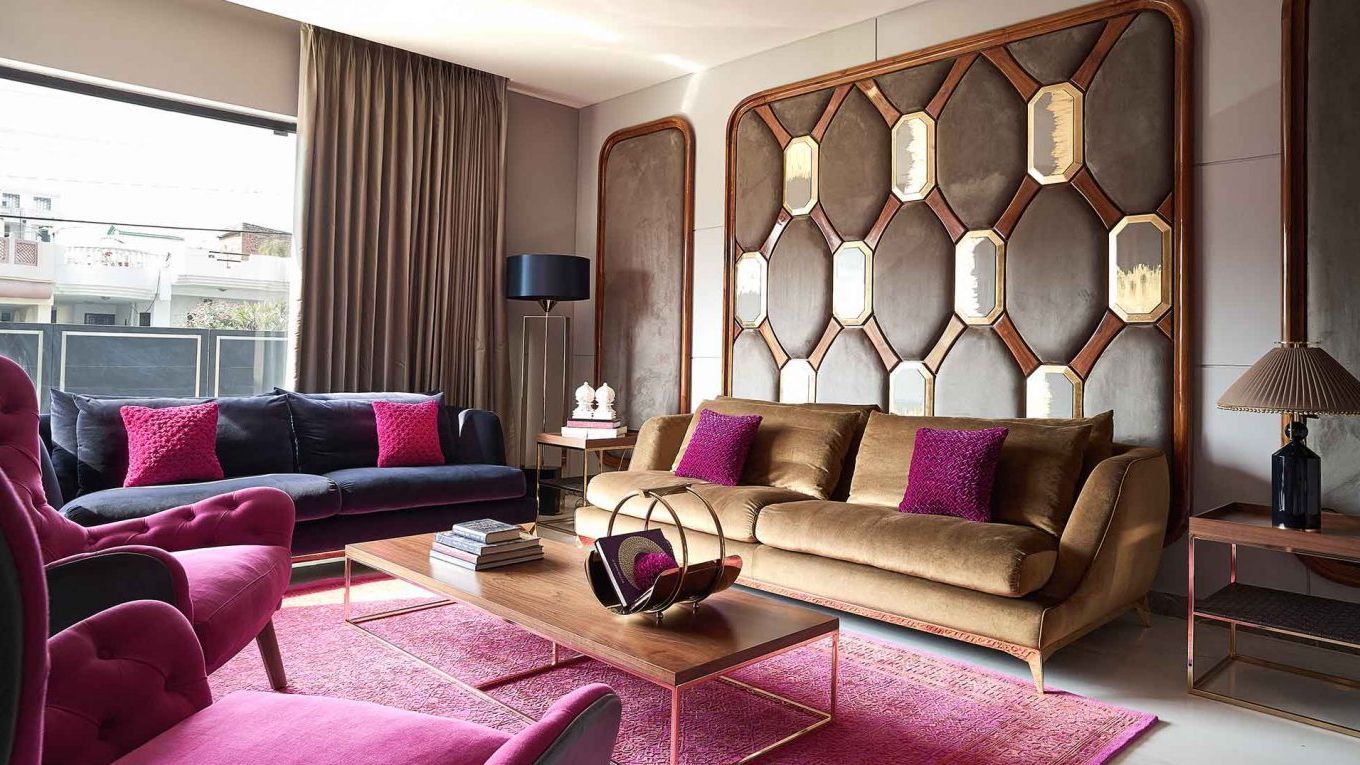

Home décor is more than just the placement of furniture or the choice of wall colors; it is the art of creating a space that reflects one’s personality, comfort, and style. It is a direct expression of who we are and how we want to feel within the spaces we inhabit. Every home tells a story—whether it’s through the selection of vintage furniture, the colors on the walls, or the carefully chosen artwork hanging on the walls. The beauty of home décor lies in its ability to transform an ordinary house into a haven, where every item, from the smallest trinket to the largest piece of furniture, has its purpose.
In this article, we will explore the multifaceted world of home décor, looking at its significance, the principles behind it, and the latest trends that are shaping the way we design our living spaces. Whether you’re an avid interior designer or someone simply looking to refresh your living room, understanding the essence of home décor can unlock endless possibilities for making your home truly yours.
The Importance of Home Décor
Home décor has long been associated with aesthetics, but its significance extends far beyond visual appeal. In fact, the way a home is decorated can profoundly influence the mood, energy, and functionality of the space. It affects how we feel when we wake up in the morning, how we unwind after a long day, and how we interact with those around us.
A well-decorated home has the power to evoke emotions, create a sense of serenity, or inspire creativity. For example, a cozy reading nook with soft lighting, plush cushions, and shelves brimming with books can foster a sense of calm and intellectual engagement. In contrast, a vibrant, eclectic living room filled with bold colors, textures, and artworks can energize its occupants and spark conversation. The layout, colors, and textures of a room can influence how people experience the space, whether they feel relaxed, invigorated, or at peace.
Moreover, home décor can reflect personal identity. People often use design choices to display their cultural background, interests, or travels. For instance, an individual who loves to travel might adorn their walls with photographs and souvenirs from distant countries, creating a narrative of their journeys. Or someone who appreciates minimalism may choose simple, clean lines and neutral tones, evoking a sense of balance and tranquility. In this way, décor is not only a visual statement but a personal one, telling the story of who we are.
The Principles of Home Décor
While home décor can be deeply personal, there are some fundamental principles that can guide the process of creating a harmonious and functional space. Whether you’re decorating an entire home or simply redesigning a single room, these principles can help you make choices that will enhance the flow and beauty of the space.
1. Balance
Balance is the principle of distributing elements within a space to create visual equilibrium. There are three types of balance: symmetrical, asymmetrical, and radial. Symmetrical balance is achieved when items are arranged equally on either side of a central point, which often creates a formal and orderly feel. Asymmetrical balance, on the other hand, is more relaxed and dynamic, where different objects of varying sizes, shapes, and colors are used to create a sense of equilibrium without strict symmetry. Radial balance occurs when objects are arranged around a central point, such as a round dining table or a circular rug.
2. Contrast
Contrast involves pairing different elements to create visual interest. This could include contrasting colors, textures, or materials. A room painted in neutral tones can be enlivened by the addition of a vibrant accent chair or a bold piece of artwork. Similarly, combining sleek, modern furniture with rustic wooden pieces can introduce a layer of depth and intrigue. Contrasting elements engage the eye and help to prevent a room from feeling monotonous or stale.
3. Rhythm
Rhythm in design refers to the repetition or alternation of elements within a room to create a sense of movement. This can be achieved through the use of repeating patterns, colors, shapes, or materials. For instance, a patterned rug can be echoed in throw pillows or artwork, creating a visual rhythm that guides the viewer’s eye through the space. This principle adds cohesion to a design, making the space feel connected and flowing.
4. Proportion and Scale
Proportion refers to the size relationship between different elements in a room, while scale pertains to how the size of objects relates to the room itself. Ensuring that furniture is properly scaled to the size of a room is crucial. For example, a large sectional sofa may overwhelm a small room, while tiny accent chairs could look lost in a vast, open living area. Furniture and décor should complement the space, allowing for comfortable movement and a sense of harmony.
5. Unity
Unity in home décor is the overall cohesiveness of the design. It is the result of combining different elements—such as color, texture, and furniture style—in a way that creates a unified, well-coordinated look. A room with a unified theme or color palette will feel more organized and calming, whereas one with too many clashing styles may feel disjointed. Unity doesn’t mean monotony; rather, it means that all elements work together to create a cohesive experience.
Trends in Home Décor
As with any field, home décor trends evolve over time, influenced by cultural shifts, technological advancements, and changing preferences. The current trends in home décor reflect a broader desire for sustainability, individuality, and comfort. Let’s explore some of the key trends that are defining home interiors today.
1. Sustainable and Eco-Friendly Design
Sustainability has become one of the most prominent trends in interior design. As more people become aware of the environmental impact of their choices, they are opting for eco-friendly materials and sustainable practices when decorating their homes. Furniture made from reclaimed wood, organic cotton fabrics, and eco-conscious paint options are gaining popularity. Consumers are also turning to second-hand and vintage items, contributing to a reduction in waste and a move toward a more circular economy.
2. Biophilic Design
Biophilic design, which emphasizes a connection to nature, is another growing trend in home décor. This approach seeks to bring the outdoors inside by incorporating natural elements such as plants, natural wood, stone, and plenty of natural light. The idea is that exposure to nature can have a calming, restorative effect, improving well-being and productivity. The use of houseplants, living green walls, and organic textures is becoming increasingly common in modern interiors.
3. Personalization and Eclecticism
While minimalist and streamlined design still has its place, there is a noticeable shift toward personalization and eclecticism. Homeowners are increasingly mixing and matching different styles, incorporating a variety of textures, colors, and objects that reflect their unique personalities and experiences. This trend encourages creativity, allowing individuals to curate spaces that are not only functional but also deeply personal. Whether it’s showcasing travel mementos, family heirlooms, or unique art collections, creating a home that feels distinctly your own is at the forefront of interior design.
4. Tech-Integrated Spaces
As smart home technology becomes more integrated into daily life, tech-savvy décor is also on the rise. Homes are now being outfitted with voice-controlled lighting, smart thermostats, automated window treatments, and entertainment systems that integrate seamlessly into the design of the space. This trend is not just about convenience; it’s also about creating sleek, high-tech environments that reflect modern living. Home offices, for instance, are now equipped with ergonomic furniture and advanced technology that fosters productivity and comfort.
5. Warm, Earthy Tones
In contrast to the cool, industrial grays and whites that dominated the last decade, current trends are embracing warm, earthy tones. Shades of terracotta, mustard yellow, olive green, and warm browns are being used to create cozy, inviting spaces. These colors are seen in everything from wall paints and furniture upholstery to rugs and accent pieces. Earthy tones bring a sense of grounding and comfort to a space, making it feel welcoming and nurturing.
Conclusion
Home décor is not just about creating a beautiful space; it is about designing an environment that feels like an extension of oneself. From the strategic placement of furniture to the careful selection of materials, colors, and accessories, every choice contributes to the overall atmosphere and functionality of the room. Whether you prefer a sleek, minimalist aesthetic or a vibrant, eclectic collection of design elements, home décor offers endless opportunities for creativity, expression, and personalization.
As we continue to embrace sustainability, technology, and individuality, the future of home décor promises to be as dynamic and diverse as the people who live in these spaces. Ultimately, the goal of home décor is simple: to create a place where we can relax, recharge, and feel truly at home.
Comments are closed.