
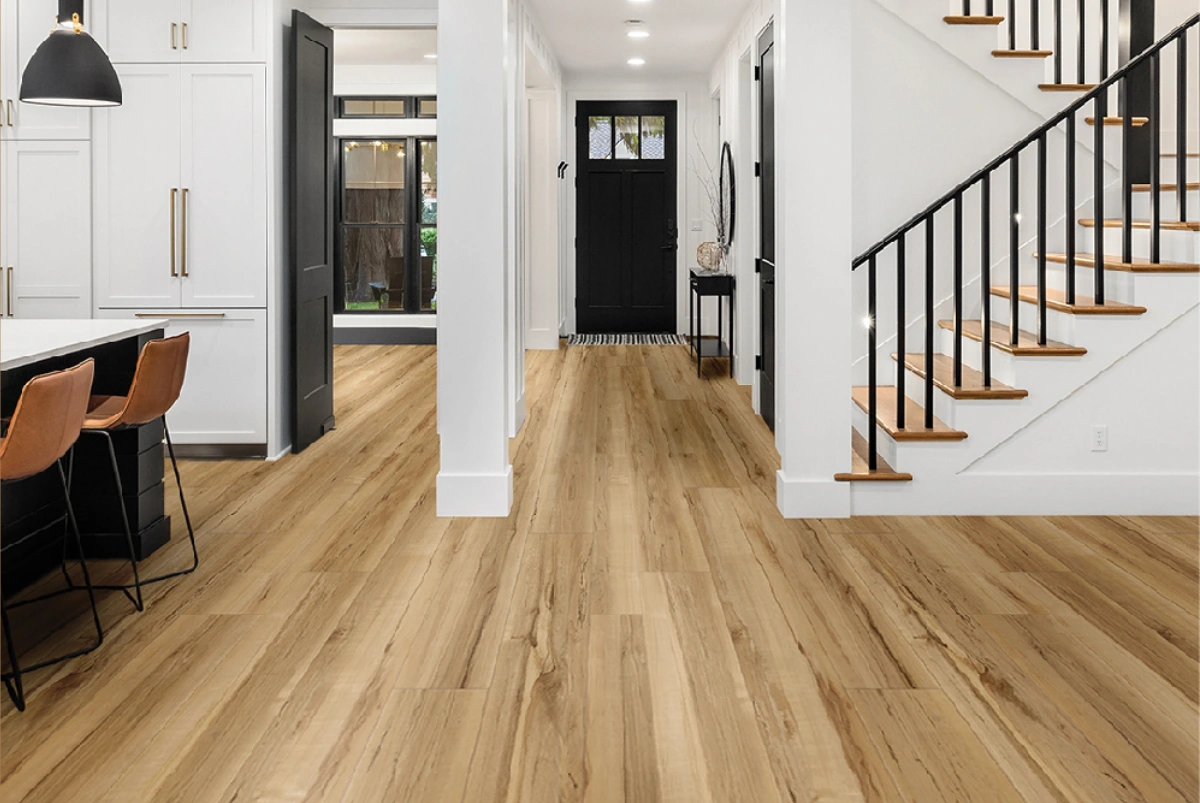

When we step into a room, our attention is often drawn to the walls, the furniture, or perhaps the artwork adorning the space. Yet, one of the most fundamental elements of any interior design is often overlooked—flooring. More than just a surface beneath our feet, flooring has the power to shape the atmosphere of a room, influence the functionality of a space, and serve as a silent yet significant expression of personal style. Whether it’s the rich warmth of hardwood, the clean lines of tile, or the softness of carpet, flooring is the foundation upon which the rest of the design rests. In this article, we will explore the diverse world of flooring, examining its history, material options, design considerations, and the evolving trends that continue to shape the way we choose to finish our floors.
A Brief History of Flooring
Flooring, in its most basic form, is one of the oldest aspects of interior design, evolving from the need for functional, durable surfaces to more elaborate, decorative choices over time. The earliest floors were simply earth or stone, providing a flat surface for walking and sitting. In ancient Egypt, for example, stone tiles were used in the construction of grand temples and palaces, while in ancient Greece and Rome, marble and mosaics were utilized to add beauty and refinement to public and private spaces alike. Over the centuries, flooring has undergone significant transformations, shaped by technological advancements and evolving tastes.
During the Middle Ages, stone and wood became the dominant materials for floors, with craftsmen creating intricate patterns and designs in both. By the Renaissance period, floors were increasingly seen as an opportunity to display artistic expression. The 18th and 19th centuries brought innovations in manufacturing, leading to the widespread use of new materials such as linoleum and carpet. In the 20th century, the rise of industrialization introduced mass-produced materials like vinyl and laminate, making flooring more accessible and affordable to the average homeowner.
Today, the options for flooring are diverse, ranging from traditional materials to the latest innovations in design and sustainability. The choices available allow for a level of personalization that was once unimaginable, with each material offering unique qualities in terms of aesthetics, durability, and maintenance.
Flooring Materials: A World of Possibilities
The choice of flooring material depends on a variety of factors, including the intended use of the space, the desired aesthetic, and the practical considerations of maintenance, cost, and durability. Below, we will explore some of the most popular flooring materials, each with its own advantages and applications.
Hardwood Flooring: Classic Elegance and Timeless Appeal
Hardwood floors have long been regarded as a symbol of luxury and sophistication, and for good reason. They bring an undeniable warmth and natural beauty to any room, with their rich textures and variations in grain offering endless possibilities for design. Common wood types include oak, maple, walnut, and cherry, each contributing its own distinctive character and color palette. For those who prefer exotic woods, options such as teak, mahogany, and bamboo are also available.
One of the key benefits of hardwood flooring is its durability. With proper care, hardwood floors can last for decades, even centuries. They are also relatively easy to maintain, requiring regular sweeping and occasional refinishing to restore their luster. However, hardwood floors can be sensitive to moisture and humidity, making them less suitable for areas like bathrooms and basements. Additionally, hardwood can be scratched or dented, particularly in high-traffic areas, so it may not be the best choice for homes with pets or young children.
Tile Flooring: Durability and Versatility
Tile is one of the most versatile flooring materials, offering a wide range of options in terms of color, pattern, and texture. Ceramic, porcelain, and stone tiles are all popular choices, each with its own set of characteristics. Ceramic and porcelain tiles are fired at high temperatures, making them highly durable, resistant to moisture, and easy to clean. Stone tiles, such as marble, granite, and slate, offer a more luxurious appearance, with unique natural patterns that are impossible to replicate.
Tile is an excellent choice for areas with high moisture, such as bathrooms, kitchens, and entryways, as it is resistant to water damage and stains. It also provides a sleek, modern look and can be arranged in a variety of patterns, such as herringbone, chevron, or mosaic. One of the disadvantages of tile flooring is its hardness—while this can make it a great choice for areas requiring durability, it can be uncomfortable to stand on for long periods of time. Additionally, tiles can be cold underfoot, making them less ideal for bedrooms or living rooms unless paired with rugs or underfloor heating.
Carpet: Comfort and Warmth
Carpet remains a popular choice for many homeowners due to its softness, warmth, and sound-absorbing qualities. It is an excellent choice for bedrooms, living rooms, and any space where comfort and coziness are priorities. Carpets are available in a variety of fibers, with wool, nylon, polyester, and polypropylene being among the most common. Wool carpets are known for their luxurious texture and natural resilience, while nylon is prized for its durability and stain resistance.
Beyond comfort, carpets also offer extensive design possibilities. Available in a wide range of colors, patterns, and textures, carpets can complement virtually any interior style, from traditional to contemporary. However, carpets do require regular maintenance. They can trap dust, dirt, and allergens, making them less suitable for individuals with allergies. Additionally, carpets are susceptible to stains, and while modern treatments can help with stain resistance, they still require periodic deep cleaning to maintain their appearance.
Vinyl and Laminate Flooring: Affordable and Practical Solutions
For those seeking a more budget-friendly alternative to hardwood or tile, luxury vinyl and laminate flooring provide a compelling solution. Both materials mimic the appearance of natural wood or stone but at a fraction of the cost. Luxury vinyl flooring (LVF) is made from synthetic materials and offers exceptional water resistance, making it ideal for bathrooms, kitchens, and basements. It also comes in a variety of designs, ranging from wood and stone looks to more abstract patterns.
Laminate flooring is another affordable option that replicates the appearance of hardwood or stone. It is made by layering a high-density fiberboard core with a photographic layer that mimics the look of natural materials. While laminate is generally durable and easy to maintain, it is less resistant to moisture and can be prone to chipping or scratching. However, it remains a popular choice for high-traffic areas due to its affordability and versatility.
Choosing the Right Flooring for Your Home
Selecting the right flooring for your home involves considering both the aesthetic and functional needs of the space. High-traffic areas, such as entryways and living rooms, may benefit from durable materials like hardwood or tile, while bedrooms and family rooms may prioritize comfort with carpet or cork. Additionally, factors such as climate, maintenance requirements, and environmental impact should all be taken into account when choosing flooring.
Sustainability is becoming an increasingly important consideration in flooring choices, with many manufacturers offering eco-friendly options made from renewable materials like bamboo, cork, and recycled content. For those seeking to reduce their carbon footprint, these green alternatives provide a stylish and environmentally responsible option.
Flooring Trends: Evolving Designs for Modern Homes
As design trends shift, so too does the world of flooring. In recent years, there has been a noticeable move toward natural materials, such as reclaimed wood, which not only adds character but also contributes to sustainability efforts. Large-format tiles have also gained popularity, providing a sleek, minimalist look that can make a space feel larger and more open. Additionally, the trend toward warmer, richer tones in wood and stone floors has created a sense of comfort and homeliness, moving away from the cool, industrial feel that dominated earlier decades.
The rise of smart homes has also influenced flooring choices, with innovative options such as heated floors and smart tiles equipped with sensors that monitor temperature and humidity. These advancements add both comfort and convenience, offering a glimpse into the future of flooring.
Conclusion
Flooring may not always take center stage in interior design, but it is undeniably a crucial component of creating a harmonious, functional, and aesthetically pleasing space. With a wealth of materials to choose from, the possibilities are endless, allowing homeowners and designers to craft floors that not only suit their needs but also express their style. Whether you prefer the timeless elegance of hardwood, the versatility of tile, or the comfort of carpet, flooring serves as the foundation that ties a room together. As design trends continue to evolve, the future of flooring promises even more exciting innovations, offering both beauty and practicality for years to come.
Comments are closed.