

Replacing a roof is one of the most significant financial investments a homeowner will make during the life of a property. The roof serves as the primary barrier against the elements, directly impacting a home energy efficiency, structural integrity, and curb appeal. When the time comes to install a new roofing system, the decision frequently narrows down to two dominant materials: metal roofing and asphalt shingles.
For decades, traditional asphalt shingles held an undisputed monopoly over the residential housing market due to their low upfront cost and ease of installation. However, modern metal roofing has surged in popularity, driven by advancements in metallurgy, architectural styling, and a growing consumer demand for long-term sustainability. Choosing between these two systems requires a thorough analysis of cost, longevity, durability, environmental impact, and maintenance requirements.
Lifespan and Long-Term Durability
The most profound divergence between metal roofing and asphalt shingles lies in their operational lifespan. A roof material durability dictates how many times a homeowner will have to repeat this disruptive installation process over the course of several decades.
The Longevity of Asphalt Shingles
Asphalt shingles are typically composed of a fiberglass mat saturated with asphalt and coated with mineral granules. While they are resilient, their flexible structure is inherently susceptible to environmental degradation. A standard architectural asphalt roof generally lasts between fifteen and twenty-five years. Over time, constant exposure to ultraviolet rays causes the asphalt to dry out and become brittle, leading to curling edges, granule loss, and cracking, which ultimately compromises the waterproof barrier.
The Permanence of Metal Systems
In contrast, metal roofs are routinely classified as lifetime roofing systems. Constructed from steel, aluminum, copper, or zinc, these panels are treated with advanced anti-corrosive coatings and baked-on paint finishes. A properly installed metal roof can easily last between forty and seventy years, often outliving the homeowner stay in the house. Metal is completely impervious to the drying effects of the sun, does not rot, and is immune to insect infestations, making it a highly reliable long-term shield.
Financial Considerations: Upfront Cost vs. Lifecycle Value
A comprehensive financial assessment must balance the immediate out-of-pocket installation expense against the total cost of ownership over time.
| Feature | Asphalt Shingles | Metal Roofing |
| Average Lifespan | 15 – 25 Years | 40 – 70 Years |
| Upfront Cost | Low to Moderate | High to Very High |
| Maintenance Need | Moderate | Low |
| Wind Resistance | Up to 110-130 mph | Up to 140-160 mph |
| Recyclability | Low (Mainly Landfill) | High (100% Recyclable) |
Initial Installation Capital
Asphalt shingles remain the clear winner regarding entry-level affordability. The materials are inexpensive to manufacture, and the installation process is straightforward, meaning labor costs remain relatively low. For homeowners on a strict budget or those planning to sell their property within a few years, asphalt shingles present a highly practical, low-barrier option.
Metal roofing demands a substantially higher initial investment, often costing two to three times more than architectural shingles. The raw materials are premium commodities, and the installation requires specialized tools, precise craftsmanship, and rigorous training. Flashings, fasteners, and underlayment must be engineered to match the lifespan of the metal panels, driving up the initial contract price significantly.
Lifecycle Valuation
When viewed through the lens of long-term lifecycle value, the financial dynamic shifts. Because an asphalt roof must be replaced two to three times within the lifespan of a single metal roof, the cumulative cost of repeated asphalt installations, paired with rising material and labor rates over time, eventually surpasses the one-time investment of a metal system. Additionally, many insurance providers offer premium discounts for homes with impact-resistant metal roofs, and the presence of a lifetime roof can enhance the overall resale value of the property.
Environmental Footprint and Energy Efficiency
Modern home improvements are increasingly judged by their ecological impact and their contribution to reducing monthly utility expenses.
Solar Reflectance and Thermal Dynamics
Asphalt shingles act as thermal masses, meaning they absorb high amounts of solar radiation and hold heat within the attic space long after the sun has set. This thermal retention forces residential air conditioning units to work harder, driving up summer electricity bills.
Metal roofs behave in the exact opposite manner. They possess high solar reflectance, naturally bouncing radiant heat away from the structure. Many modern metal panels feature cool roof pigments that reflect infrared light. This structural dynamic can lower summer cooling costs by ten to twenty-five percent compared to dark asphalt alternatives.
Sustainability and Landfill Waste
The disposal of roofing materials presents a major environmental challenge. Scrap asphalt shingles account for millions of tons of landfill waste in the United States annually, as the petroleum-based material takes centuries to decompose.
Metal roofing is highly sustainable. Most metal panels are manufactured using a high percentage of recycled content, and at the end of their exceptionally long lifespan, the entire roof is one-hundred percent recyclable, converting back into raw industrial metal rather than entering the waste stream.
Structural Resistance and Weather Performance
Different climates subject residential structures to distinct environmental stressors, from high winds to heavy snow accumulation.
-
Wind and Storm Resistance: Asphalt shingles rely on a strip of thermal adhesive to bond together. In high-wind events, powerful gusts can catch the edges of loosened shingles, tearing them completely off the deck and exposing the underlying wood to rain. Metal roofs, particularly standing seam systems, utilize interlocking panels securely fastened to the roof deck with concealed clips. This creates a continuous, rigid surface capable of withstanding category-four hurricane winds without buckling.
-
Snow and Ice Shedding: In cold northern climates, snow accumulation poses a structural threat. Asphalt shingles have a rough texture that holds snow in place, increasing the weight load on the rafters and creating prime conditions for ice dams to form at the eaves. Metal roofs feature a smooth, low-friction surface that allows snow and ice to slide off harmlessly before heavy loads can accumulate, minimizing the risk of winter roof collapses and internal water leaks.
Maintenance Protocol and Daily Upkeep
Every roofing material requires some level of monitoring, but the frequency and complexity of that maintenance vary by product.
Asphalt roofs require regular inspections to check for loose, cracked, or missing shingles after severe weather. Shaded sections of an asphalt roof can also develop black streaks caused by algae growth, which retains moisture and slowly erodes the protective granules, requiring specialized, gentle chemical cleanings to preserve the roof appearance.
Metal roofing is exceptionally low-maintenance. It does not support the growth of moss, mold, or algae. Occasional maintenance generally consists of clearing dead leaves out of valleys, checking that rubber washers on exposed fasteners have not degraded over time, and ensuring that gutters remain clear so water can drain away freely from the metal edges.
Frequently Asked Questions
Does a metal roof make a home significantly louder during heavy rain or hail storms?
This is a common misconception rooted in the sound of open-air metal barns. In a residential application, metal panels are installed over a solid wood roof deck, thick water-resistant underlayment, and a fully insulated attic space. This dense accumulation of building materials acts as a highly efficient acoustic barrier. When properly installed, the sound of rain on a residential metal roof is no louder than the sound on a traditional asphalt shingle roof.
Can a metal roof be installed directly over an existing layer of asphalt shingles?
Yes, in many jurisdictions, light metal roofing panels can be installed directly over a single layer of existing asphalt shingles using a system of wooden furring strips. This eliminates the labor and disposal costs associated with tearing off the old roof. However, the local building code must be verified, and the structural integrity of the underlying wood decking must be thoroughly inspected for rot before proceeding.
How does hail impact a metal roof compared to an asphalt shingle roof?
Large hail can damage both systems, but the nature of the damage differs. Hail can bruise asphalt shingles, knocking away the protective granules and exposing the underlying asphalt matrix to rapid UV degradation and leaks. On a metal roof, hail may cause cosmetic dents, but it rarely punctures the steel or compromises the waterproof seal. Choosing a higher gauge metal, such as twenty-four gauge steel, provides excellent resistance to heavy hail impact.
Are metal roofs more likely to be struck by lightning during a summer storm?
No, metal roofs do not attract lightning. Lightning seeks the highest path of least resistance to the ground, regardless of the material it hits. Because metal is a non-combustible material and a highly efficient electrical conductor, if a home were to be struck by lightning, the metal roof would safely dissipate the electrical charge across the surface, reducing the risk of a structural house fire compared to flammable wood or asphalt materials.
What is the aesthetic difference between standing seam metal and stamped metal shingles?
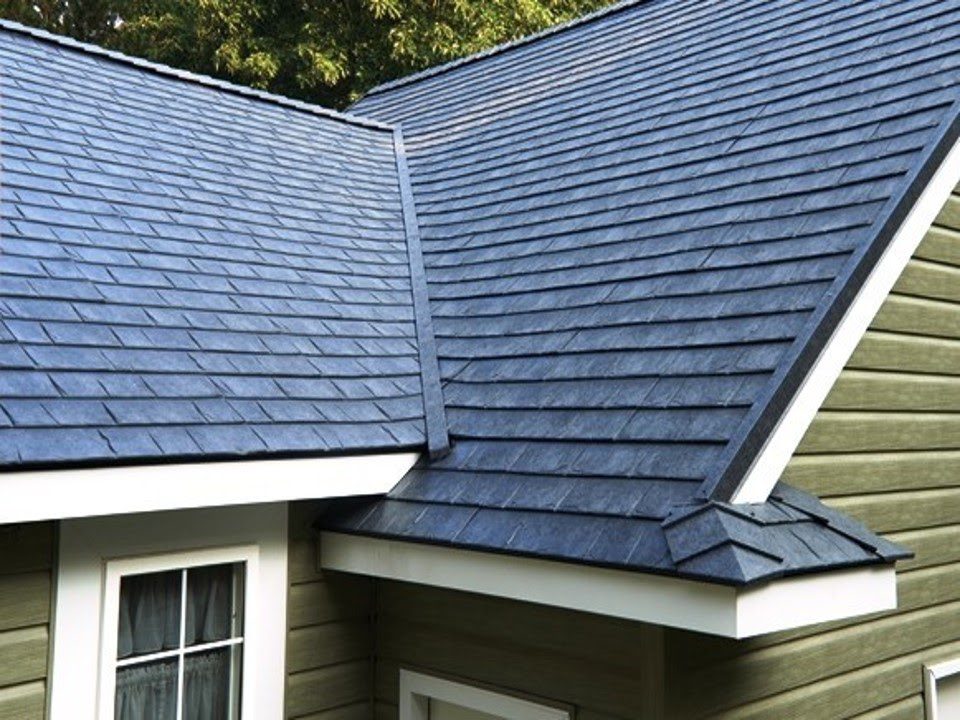
Standing seam metal roofs feature clean, continuous vertical panels with raised interlocking ribs running from the ridge to the eaves, delivering a distinct modern, architectural appearance. Stamped metal shingles are manufactured in smaller interlocking sections engineered to mimic the traditional texture of slate, wood shakes, or standard clay tiles, providing the structural benefits of metal while maintaining a classic residential silhouette.
Will a metal roof negatively affect cell phone reception inside the house?
For the vast majority of residential homes, a metal roof will not noticeably disrupt cellular signals. Internal cell reception depends primarily on the proximity to the nearest cell towers and the layout of surrounding terrain. Since most cellular signals enter a home horizontally through windows and walls rather than vertically through the roof, replacing an asphalt roof with metal does not degrade interior signal strength.
Comments are closed.