
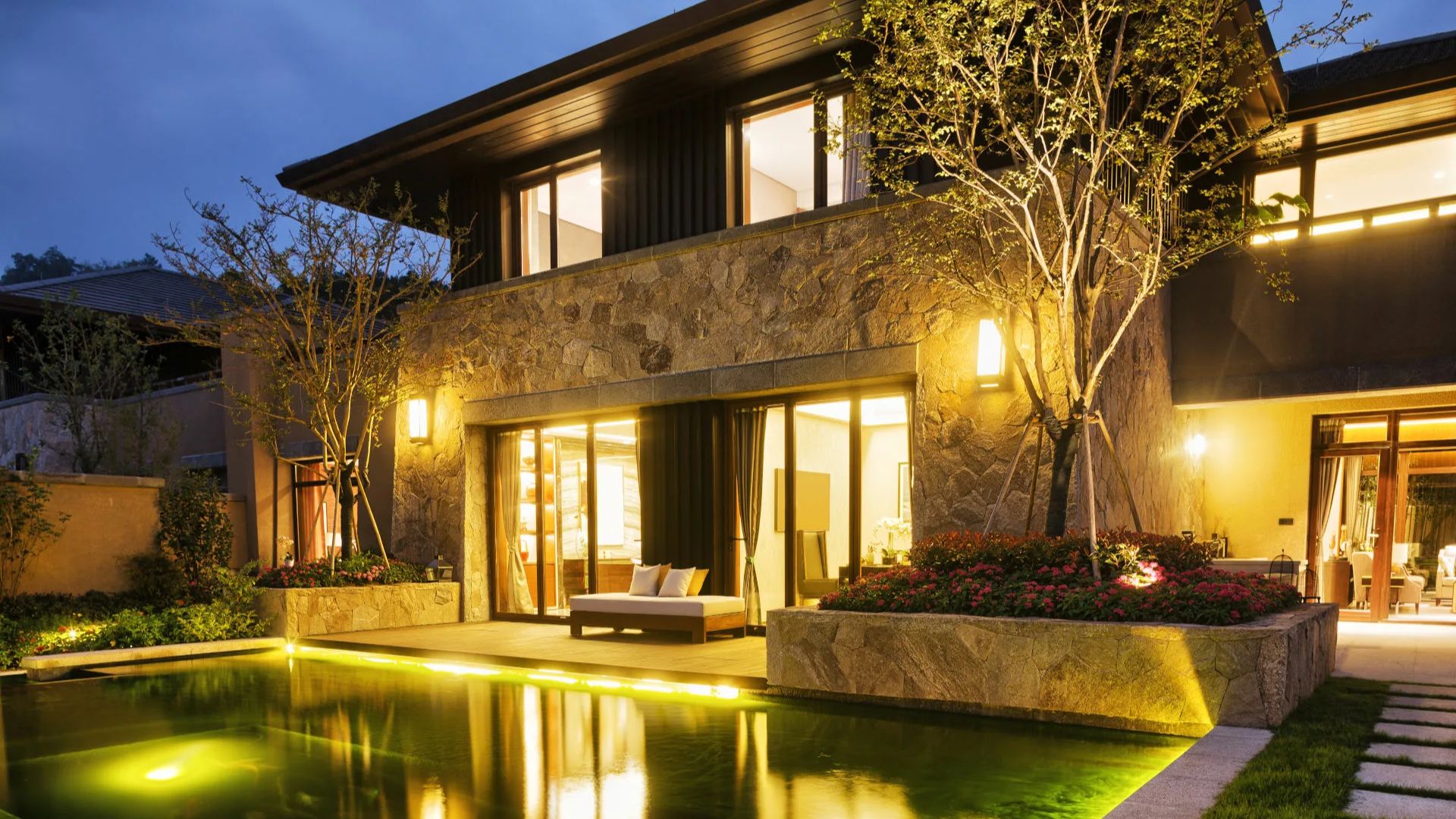

Exterior lighting serves as the bridge between architectural design and practical security. When executed correctly, a comprehensive outdoor lighting scheme does more than simply illuminate a dark walkway; it enhances the visual appeal of a home, highlights unique landscaping features, and deters potential intruders. Striking the perfect balance between aesthetics and function requires an understanding of lighting layers, fixture types, technical specifications, and structural placement.
Many homeowners approach outdoor illumination as a secondary thought, frequently installing a single high-intensity floodlight that washes out architectural details and creates harsh, blinding shadows. A thoughtful approach transforms the property after sunset, ensuring that safety and style work in absolute harmony.
The Three Fundamental Layers of Exterior Lighting
Just like interior design, successful outdoor illumination relies on layering. Relying on a single light source inevitably creates an unbalanced environment. By combining ambient, task, and accent lighting, you establish depth, contrast, and visual comfort.
Ambient Lighting
Ambient lighting provides the baseline illumination for the property. This foundational layer ensures that the overall space is visible and safe to navigate. For the exterior of a home, ambient light is typically delivered through wall-mounted sconces flanking the front door, overhead pendants on porches, or post lights stationed along entryways. The primary goal of ambient lighting is to cast a gentle, wide glow that defines the boundaries of the home without causing glare.
Task Lighting
Task lighting is highly functional and targeted. It focuses light exactly where specific activities occur, preventing accidents and increasing usability. Key examples of exterior task lighting include bright step lights installed on deck stairs, pathway lights guiding visitors to the entrance, and high-output spotlights positioned over garage doors or barbecue areas. Because safety is the primary driver here, task lighting must be bright enough to expose potential trip hazards like uneven pavement, ice, or dropped items.
Accent Lighting
Accent lighting is purely aesthetic, adding drama and character to the landscape. It draws the eye toward specific focal points, such as an ornamental tree, a stone retaining wall, or a water feature. Techniques like uplighting, where a fixture is placed at the base of a structure and pointed upward, create striking vertical shadows. Downlighting, often called moonlighting, involves placing a fixture high in a mature tree canopy to cast a soft, natural glow through the branches onto the ground below.
Selecting Fixtures by Architectural Zone
A home is comprised of distinct zones, each demanding a specialized approach to lighting placement and style.
The Main Entryway
The front door is the focal point of the facade. It requires fixtures that complement the architectural style of the home while welcoming guests safely. For traditional homes, classic lantern-style sconces with seeded glass work beautifully. Modern architecture benefits from sleek, geometric cylinders that cast light both upward and downward. As a rule of thumb, wall sconces should be mounted at eye level, roughly sixty to sixty-six inches from the ground, and their height should equal approximately one-fourth to one-third the height of the door frame.
Pathways and Walkways
Path lighting should lead the eye naturally toward the entrance. A common error is lining fixtures up in a straight, symmetrical fashion resembling an airport runway. Instead, stagger the lights on alternating sides of the path to create a organic, fluid movement. Select fixtures that direct light strictly downward toward the ground rather than outward into the eyes of walkers. Space the fixtures roughly four to six feet apart, depending on the brightness of the bulbs.
Driveways and Garages
Driveways require robust illumination to assist with parking and backing up at night. Motion-activated floodlights are ideal for this zone, providing sudden, intense light when activity is detected. For a more stylish look, install recessed downlights into the soffit or eaves directly above the garage doors, creating a clean curtain of light that accentuates the texture of the garage panels.
Patios, Decks, and Backyards
Outdoor living spaces demand a softer, more intimate atmosphere. Instead of bright overhead lights, utilize a combination of low-voltage post cap lights, under-rail LED strips, and well lights hidden within perimeter garden beds. This creates an inviting environment suitable for entertaining while maintaining visibility across the backyard.
Technical Considerations: Lumens, Kelvins, and Ratings
Choosing the right fixture housing is only half the battle; selecting the correct light output and color temperature dictates the ultimate success of the design.
Understanding Lumens vs. Watts
In the past, homeowners measured brightness by wattage. With the dominance of energy-efficient LED technology, brightness is now measured in lumens. Watts merely indicate how much electricity the bulb consumes. When shopping for exterior lights, use the following general lumen guidelines to achieve optimal balance:
-
Pathways and step lights: 100 to 200 lumens
-
Wall sconces and entry lights: 200 to 400 lumens
-
Landscape accent lights: 150 to 300 lumens
-
Security floodlights: 700 to 1300 lumens
Mastering Color Temperature
Color temperature is measured in Kelvins. It determines whether the light appears warm and yellow or cool and blue. For residential exteriors, stick strictly to the warm end of the spectrum. Light between 2700K and 3000K provides a welcoming, cozy glow that complements wood, stone, and brick work naturally. Avoid bulbs rated at 4000K or higher for general illumination; their stark blue-white light looks commercial, clinical, and can alter the perceived color of your landscaping foliage negatively. The only exception is high-intensity security lighting, where a cooler temperature can enhance visibility on security cameras.
Weatherproofing and Ingress Protection
Outdoor fixtures must endure rain, snow, wind, and temperature extremes. Always verify that a fixture is rated for outdoor use. Look for the Ingress Protection rating, or IP rating. The first digit measures protection against solid objects like dust, while the second digit measures protection against moisture. A minimum rating of IP44 is required for general outdoor wall fixtures, while path lights and well lights embedded in the ground should carry an IP65 or higher rating to withstand direct water contact and heavy downpours.
Merging Security with Style
Smart homeowners use style to hide security. You do not need to turn a home into a brightly lit prison yard to keep it safe. Criminals seek dark, unmonitored blind spots to gain entry undetected. By strategically placing low-voltage landscape lighting around the perimeter, windows, and secondary doors, you eliminate these hiding spots.
Integrating smart home automation further bridges the gap between style and security. Utilize astronomical timers that automatically adjust the lighting schedule based on the changing times of sunset and sunrise throughout the year. Program the ambient architectural lights to dim to a lower percentage late at night, ensuring the home remains elegant and energy-efficient while motion sensors stand ready to trigger full brightness if an unexpected visitor approaches the perimeter.
Frequently Asked Questions
What is the difference between wet-rated and damp-rated exterior fixtures?
Damp-rated fixtures are designed for outdoor areas that are fully protected from direct rain and snow, such as a covered ceiling porch, an open carport, or deep roof overhangs. Wet-rated fixtures are completely sealed and engineered to handle direct exposure to ice, driving rain, and intense moisture, making them necessary for open walls, pathways, and garden beds.
How can I minimize light pollution and respect my neighbors when installing outdoor lights?
To prevent light pollution and glare, choose dark-sky compliant fixtures. These units are designed with shields that direct light downward toward the ground rather than upward into the night sky or outward into a neighbor’s windows. Additionally, avoid over-illuminating the property; use the lowest effective lumen count and implement timers so non-essential decorative lights turn off automatically after midnight.
Is a low-voltage system better than a line-voltage system for landscape lighting?
For most residential landscape applications, a low-voltage twelve-volt system is superior. It is highly energy-efficient, safe to work with, and requires no deep trenching to install wires, as the cables can run just beneath the mulch or soil. Line-voltage one-hundred-and-twenty-volt systems require commercial-grade conduits buried deep underground, making them more costly and rigid, though they remain necessary for large commercial properties or heavy-duty security floodlights.
How do solar-powered exterior lights compare to hardwired LED options?
Solar-powered lights offer easy installation since they require no wiring or transformers. However, they are generally less reliable and provide significantly lower light output. Their performance depends heavily on the amount of direct sunlight received during the day, meaning they often grow dim or fail completely during cloudy winter months. Hardwired systems offer consistent brightness, precise control, and a much longer lifespan.
What are the best exterior lighting placement strategies to enhance home security cameras?
Security cameras require uniform, balanced light to capture clear facial details and license plates. Avoid placing a single bright light directly next to a camera lens, as this causes lens flare and blinds the sensor. Instead, place ambient light sources several feet away to create an even wash of illumination across the camera field of view, minimizing deep shadows where individuals could hide.
Will outdoor LED lights attract insects to my porch or patio at night?
Insects are primarily attracted to the ultraviolet light and heat generated by traditional incandescent and halogen bulbs. LEDs emit very little heat and minimal ultraviolet radiation, making them naturally less attractive to bugs. To further reduce insect presence, select LED bulbs with a warmer color temperature, or utilize specialized yellow bug lights, which fall entirely outside the visual spectrum of most flying insects.
Comments are closed.