
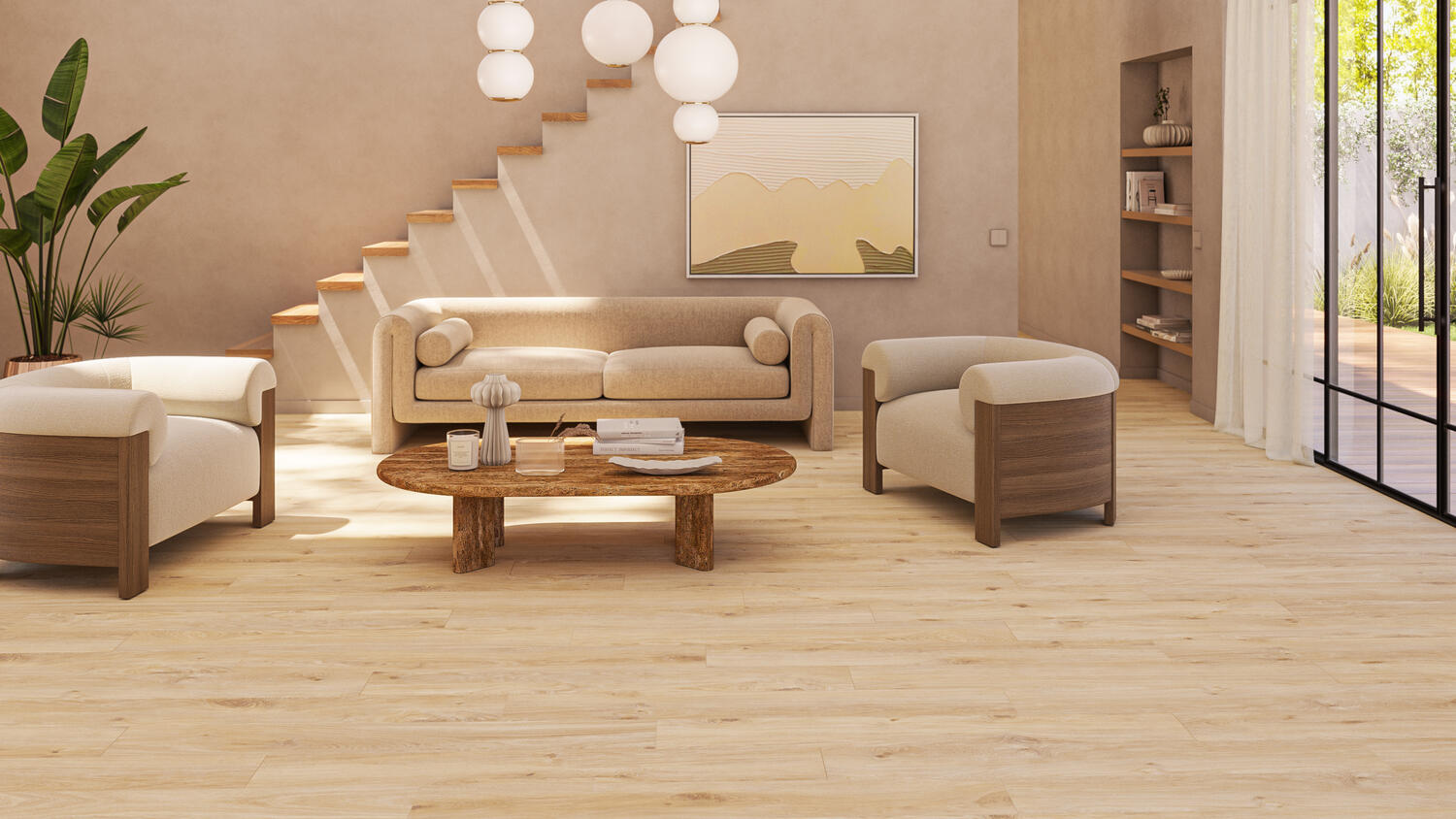

Flooring is more than just a surface upon which we walk; it is the canvas upon which the entire aesthetic of a space can be built. Whether in homes, offices, or public spaces, flooring plays a critical role in both the functionality and design of an environment. It is one of the most integral elements in interior design, often setting the tone for the overall atmosphere while serving as a practical foundation for daily life. From the elegance of polished hardwood to the practicality of ceramic tiles, flooring is an expression of both style and utility, embodying the delicate balance between durability and visual appeal.
The Historical Evolution of Flooring
The role of flooring in architecture and design has evolved considerably over the centuries, reflecting changes in materials, technology, and cultural values. In ancient civilizations, flooring was often a simple matter of necessity, with natural surfaces such as dirt or stone serving as the foundation for homes and public spaces. Early flooring materials included wood planks, woven reeds, and, in wealthier households, marble and mosaics. These materials were used not only for practical purposes—providing a level surface—but also as symbols of wealth and status.
In ancient Rome, for instance, the use of mosaics in flooring became a highly developed art form. These intricate, tile-based designs were often crafted to depict scenes from mythology, nature, or daily life, elevating the humble floor into an aesthetic focal point. Similarly, the ornate patterns of Persian carpets, renowned for their beauty and craftsmanship, reflected the cultural importance of flooring as an artistic medium.
The Industrial Revolution marked a significant turning point in the evolution of flooring materials. Mass production made new materials, such as linoleum and later vinyl, widely available, offering greater affordability and durability. As the modern world moved forward, flooring continued to adapt to the needs of growing populations and changing lifestyles, leading to the diverse range of options we have today.
Materials: A World of Choices
Modern flooring is a multi-faceted world of materials, each offering unique advantages in terms of durability, maintenance, and aesthetic appeal. Understanding these materials, and knowing how to choose the right one for a given space, is essential for creating both functional and beautiful interiors.
Hardwood Flooring: Timeless Elegance and Warmth
One of the most enduringly popular choices in flooring is hardwood. It has been a staple in residential and commercial settings for centuries due to its timeless beauty and durability. Hardwood floors exude warmth and sophistication, adding a natural, organic feel to any room. The grains and textures of wood provide visual interest, making each floor unique. Oak, maple, and walnut are some of the most commonly used species, though exotic hardwoods such as mahogany and teak can offer even greater refinement.
Beyond its aesthetic appeal, hardwood flooring is renowned for its longevity. Properly maintained, hardwood floors can last for generations, often increasing in value as they age and mature. However, they do require maintenance—regular cleaning, polishing, and refinishing may be needed to preserve their luster. Additionally, hardwood floors can be sensitive to moisture and humidity, making them less ideal for areas like bathrooms and basements.
Tile Flooring: Durability Meets Versatility
Ceramic, porcelain, and stone tiles offer a versatile and practical solution for flooring, particularly in areas where durability and easy maintenance are paramount. Tile flooring is especially popular in kitchens, bathrooms, and entryways due to its resistance to water, stains, and high traffic.
Porcelain tiles, often used for their strength and variety of designs, are a favorite for both residential and commercial spaces. They come in a wide array of colors, patterns, and textures, and can even mimic the appearance of wood or stone. Stone tiles, such as marble, granite, and travertine, provide a luxurious and enduring look, though they often come with a higher price tag and require more maintenance to keep them looking pristine.
Tiles also provide excellent temperature regulation, making them ideal for radiant floor heating systems. However, while tile floors can be beautiful and highly functional, they may feel cold and hard underfoot, which makes adding area rugs or soft furnishings essential for comfort.
Carpet Flooring: Comfort and Softness Underfoot
Carpet has long been synonymous with comfort, offering a plush, soft surface that provides warmth and a sense of coziness in living rooms, bedrooms, and offices. Unlike hard flooring materials, carpets absorb sound, reducing noise and creating a quieter, more peaceful atmosphere. This makes them especially popular in spaces where noise reduction is a priority, such as bedrooms, media rooms, and corporate offices.
Beyond comfort, carpets offer nearly unlimited design possibilities. From plush, luxurious piles to more durable, commercial-grade options, carpets come in a vast array of colors, textures, and patterns. Wool, nylon, and polyester are common materials used in carpet manufacturing, each offering varying levels of durability and stain resistance. Wool is highly regarded for its natural softness and resilience, while nylon is durable and resistant to stains, making it ideal for high-traffic areas.
However, carpets do require more maintenance than hard flooring, as they can trap dust, dirt, and allergens. Regular vacuuming and occasional deep cleaning are necessary to keep carpets in good condition. Additionally, carpets are not ideal in areas prone to moisture, such as bathrooms and kitchens.
Luxury Vinyl and Laminate Flooring: Budget-Friendly and Practical
For those looking for an affordable alternative to hardwood or stone, luxury vinyl and laminate flooring have become increasingly popular. Both options offer realistic reproductions of natural materials like wood and stone, providing the aesthetic appeal of high-end surfaces at a fraction of the cost.
Luxury vinyl flooring (LVF) is highly durable, resistant to water and stains, and easy to maintain. It is an excellent choice for high-traffic areas, bathrooms, kitchens, and basements. Similarly, laminate flooring, made from composite materials with a printed photographic layer, provides the look of wood or stone but with improved resistance to scratches and dents. While these materials may not offer the same prestige or timelessness as hardwood or marble, they represent a practical, budget-conscious choice for many homeowners.
Choosing the Right Flooring for Your Space
When it comes to selecting the right flooring, the primary considerations are functionality, aesthetics, and budget. The choice of flooring depends on the specific requirements of the space—whether it’s high moisture resistance, comfort underfoot, or a timeless, classic appearance. In kitchens and bathrooms, for example, ceramic or vinyl tiles are often favored for their resilience to water. In living rooms and bedrooms, hardwood or carpet may be preferred for their warmth and comfort.
Beyond practicality, flooring also sets the tone of a room. Light-colored wood or tile can make a space feel airy and expansive, while dark tones create a more intimate, sophisticated atmosphere. Textures and patterns—such as herringbone hardwood or geometric tiles—can add visual interest and enhance the character of a room.
Flooring as a Reflection of Personal Style
Flooring is not just a functional element but a design statement. It reflects personal taste and can define the overall mood of a home or commercial space. From the rustic charm of reclaimed wood to the sleek minimalism of polished concrete, the options are nearly limitless. Whether you seek the traditional elegance of a wood parquet floor or the bold drama of black-and-white tiles, flooring allows you to express your unique style and preferences.
As with any significant design choice, it’s important to take into account the longevity and maintenance requirements of the material you choose. High-quality flooring is an investment in both comfort and aesthetics, making it worth careful consideration and planning.
Conclusion
Flooring is far more than the foundation of a room—it is a reflection of our tastes, values, and lifestyles. It serves as the backdrop for our daily lives, influencing not only the look and feel of a space but also its functionality. Whether opting for the natural beauty of hardwood, the practicality of tile, or the comfort of carpet, flooring plays a critical role in creating environments that are both beautiful and livable. As materials and design preferences continue to evolve, so too will the art of flooring, with endless possibilities for those looking to enhance the spaces they inhabit.
Comments are closed.