
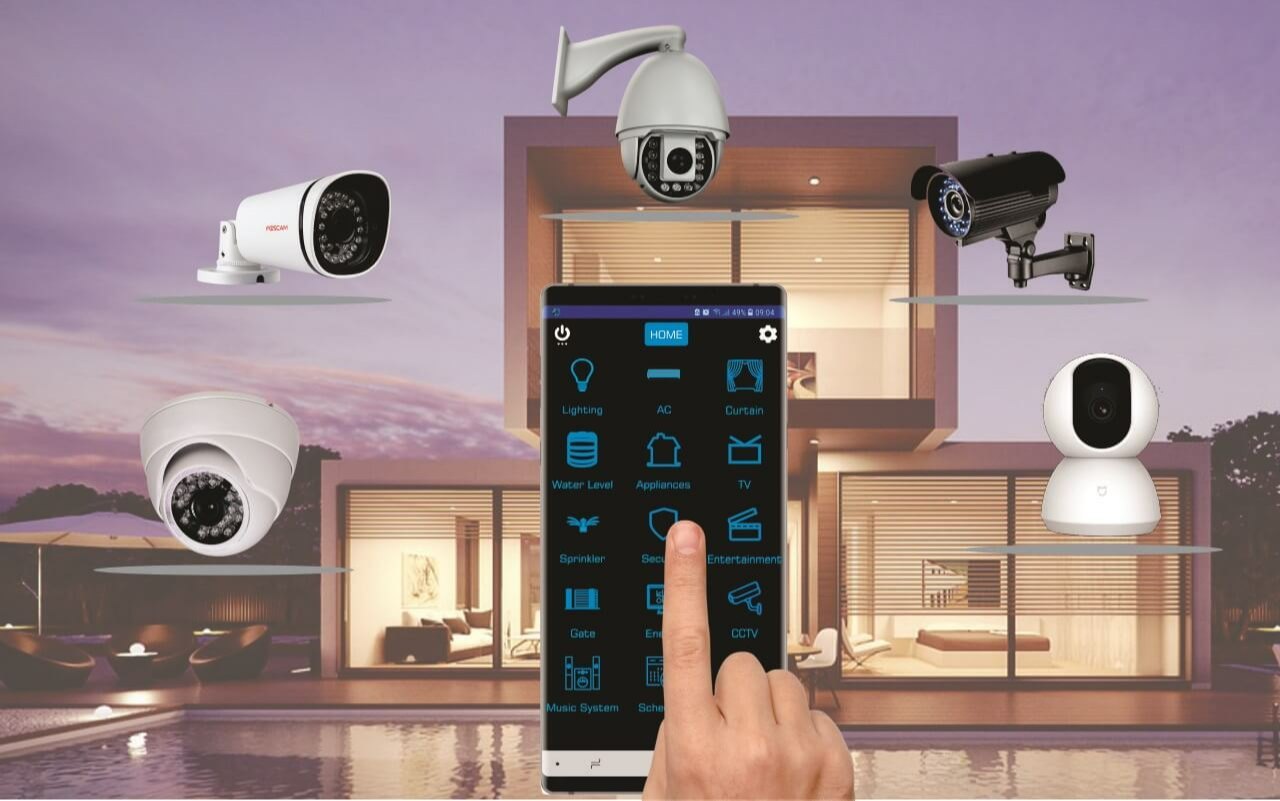

In the past decade, the concept of the “smart home” has moved from the realm of science fiction into an everyday reality, reshaping the way we interact with our living spaces. What was once reserved for the technologically elite or those with significant disposable income has now become accessible to the average homeowner. From voice-controlled lights to advanced security systems, the integration of technology into the home has brought about a seismic shift in how we live, work, and feel within the spaces we inhabit. As a result, the smart home is no longer merely a luxury—it is quickly becoming a necessity in modern living.
This transformation is driven by the convergence of several key technologies, including the internet of things (IoT), artificial intelligence (AI), and voice-activated systems. Together, they are changing the very fabric of the home, making it more intuitive, more connected, and increasingly automated. But while the allure of convenience, comfort, and security is undeniable, the rise of smart homes also raises questions about privacy, data security, and the long-term implications of living in a digitally connected world.
Defining the Smart Home
A “smart home” refers to a residence equipped with a network of devices that can be controlled remotely through a smartphone, tablet, or voice-activated assistant. These devices, often connected via Wi-Fi or Bluetooth, can range from simple items like light bulbs and thermostats to more complex systems such as home security cameras, smart refrigerators, and automated window blinds. The underlying idea is to make the home environment more responsive to the needs of its occupants, enabling them to interact with their surroundings in a seamless, efficient, and often hands-free manner.
At its core, a smart home is designed to enhance convenience, energy efficiency, and security. Homeowners can control everything from lighting to temperature, entertainment systems, and even appliances with just a few taps or voice commands. This level of control and automation not only simplifies daily tasks but also provides opportunities for significant energy savings, improved safety, and a more personalized living experience.
The Key Components of a Smart Home
-
Smart Lighting: One of the most common and accessible smart home technologies, smart lighting systems allow homeowners to control the brightness, color, and timing of their lights remotely. With features like motion sensors and automatic timers, smart lighting systems can adjust the lighting based on occupancy, time of day, or user preferences. This not only adds convenience but can also contribute to energy savings by ensuring lights are only on when needed.
-
Smart Thermostats: Smart thermostats, such as the popular Nest or Ecobee models, have revolutionized how we manage temperature in our homes. These devices learn user habits and adjust heating and cooling schedules accordingly, ensuring maximum comfort while minimizing energy consumption. By allowing homeowners to control temperature remotely or set schedules, smart thermostats can result in significant savings on energy bills.
-
Home Security Systems: Traditional security systems have evolved into sophisticated, networked solutions with real-time monitoring capabilities. Smart cameras, doorbell cameras, and motion sensors can be accessed remotely, offering peace of mind whether you’re at home or away. Many smart security systems integrate with mobile apps, sending notifications when suspicious activity is detected or when doors are left unlocked. Some even offer AI-driven features, like facial recognition, to enhance security further.
-
Voice Assistants: Virtual assistants such as Amazon Alexa, Google Assistant, and Apple’s Siri are the cornerstone of the smart home experience. These voice-activated platforms allow users to control a wide range of devices with simple voice commands, from adjusting the thermostat to playing music or locking the front door. As these assistants grow smarter and more integrated with other home devices, they will continue to play a central role in creating a seamless, hands-free environment.
-
Smart Appliances: Beyond basic home automation, smart appliances are becoming increasingly common. From refrigerators that track expiration dates to washing machines that can be scheduled for remote operation, these devices bring convenience and efficiency to household chores. Some smart appliances also offer energy-saving features, such as washing machines that adjust water usage based on load size, or ovens that can be preheated remotely, allowing you to prepare dinner from the office.
-
Home Entertainment Systems: Smart TVs, sound systems, and streaming devices have transformed the way we consume media. Whether it’s controlling a home theater setup with a voice assistant or streaming music across multiple rooms using wireless speakers, smart entertainment systems provide a level of flexibility and personalization that traditional setups simply cannot match.
-
Smart Landscaping: Even the outdoors are not immune to the benefits of smart technology. Smart sprinklers, for example, can adjust watering schedules based on weather conditions, ensuring that lawns are watered efficiently. Garden lights, often integrated with smart home systems, can be programmed to turn on or off at specific times, adding both functionality and ambiance to outdoor spaces.
Benefits of a Smart Home
1. Convenience and Automation:
One of the most obvious benefits of a smart home is convenience. Automated systems reduce the need for manual adjustments. For example, you can program your thermostat to adjust the temperature when you’re on your way home, so you walk into a perfectly comfortable environment without having to lift a finger. Similarly, smart lighting systems can automatically adjust the brightness based on the time of day or occupancy, ensuring optimal lighting at all times.
2. Energy Efficiency:
Smart homes are designed with energy savings in mind. Smart thermostats, for instance, reduce heating and cooling costs by optimizing the use of HVAC systems. Smart lighting, too, ensures that electricity is used only when necessary, and energy consumption can be monitored through apps, providing homeowners with real-time insights into how they can reduce waste. Over time, these savings can add up significantly, both for the environment and your wallet.
3. Enhanced Security:
Smart home security systems provide an unparalleled level of monitoring and protection. The ability to remotely access live camera feeds, receive instant alerts, and lock doors from anywhere gives homeowners a level of control and security that was previously unattainable. Advanced systems even incorporate features like facial recognition and artificial intelligence to differentiate between normal and suspicious activity, ensuring a safer living environment.
4. Increased Home Value:
As smart home technology becomes more prevalent, homes equipped with these systems are seen as more modern and desirable. Installing smart features such as advanced security systems, energy-efficient appliances, and integrated lighting can increase a home’s value. This is especially important in competitive real estate markets, where prospective buyers are increasingly seeking homes with smart features.
Challenges and Considerations
While the benefits of a smart home are undeniable, there are several challenges that come with integrating such technology.
1. Privacy and Data Security:
As smart home devices collect data on our habits and preferences, concerns about privacy and data security have become paramount. Hackers can potentially gain access to sensitive information through vulnerable devices, putting personal data at risk. It is essential for homeowners to choose devices with strong security protocols and regularly update firmware to mitigate these risks.
2. Interoperability:
As the smart home market grows, so does the number of devices and platforms. Unfortunately, not all devices are compatible with each other, which can lead to frustration and additional costs. Ensuring that all your devices can work together seamlessly often requires choosing products from the same brand or ecosystem, such as Google Home or Amazon Alexa. As the industry matures, it is likely that more standardized protocols will emerge, but for now, compatibility remains a challenge.
3. Dependence on Internet Connectivity:
A smart home is only as reliable as the internet connection it runs on. When Wi-Fi goes down or connectivity is poor, smart devices may malfunction or become inaccessible. This creates an inherent reliance on a stable, high-speed internet connection, which can be problematic in areas with less reliable service.
4. Cost:
While smart home devices have become more affordable, the initial setup can still be expensive. Depending on the features and number of devices being integrated, outfitting a home with smart technology can be a significant investment. However, the long-term savings in energy and security may offset the upfront cost for many homeowners.
The Future of Smart Homes
Looking ahead, the future of smart homes is poised to become even more integrated, personalized, and efficient. With advancements in AI, machine learning, and 5G connectivity, the next generation of smart homes will be even more intuitive, capable of predicting needs and responding proactively. For example, AI-powered systems could learn from a homeowner’s daily routines and make real-time adjustments to temperature, lighting, and security, all without requiring input. Additionally, the rise of voice assistants and natural language processing will continue to simplify the user experience, making it easier than ever to control devices with nothing more than a voice command.
The smart home is not just a trend—it represents a fundamental shift in the way we interact with the world around us. As technology becomes more ingrained in our daily lives, our homes will become smarter, more connected, and more attuned to our needs, creating living environments that are safer, more efficient, and more comfortable than ever before. However, as we embrace these advancements, it’s crucial to consider the implications for privacy, security, and the broader digital ecosystem in order to create a smart home that is both innovative and responsible.
Comments are closed.