
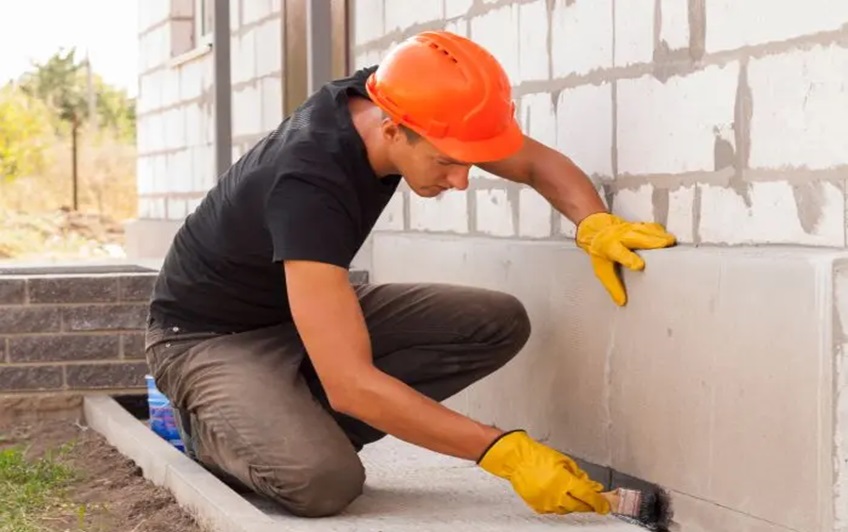

A home’s foundation is designed to provide dependable support for decades, but it isn’t immune to the effects of time and changing environmental conditions. Soil movement, moisture fluctuations, and natural settling can gradually place stress on the foundation, leading to problems that may affect the entire structure.
The good news is that most foundation issues develop slowly. This gives homeowners an opportunity to recognize the warning signs early and take action before the damage becomes more extensive. Understanding how foundation problems occur and why prompt repairs matter can help you make informed decisions about protecting one of your most valuable investments.
If you’re looking for reliable information about foundation repair, click here to learn more about professional solutions that help restore structural stability and protect your home from long-term damage.
The Foundation Supports Every Part of Your Home
Although it’s hidden beneath the structure, the foundation carries the weight of the entire house.
Walls, floors, ceilings, windows, and doors all depend on a stable foundation to remain properly aligned. When the foundation begins to shift, even slightly, the effects may gradually spread throughout the property.
Several conditions can contribute to foundation movement, including:
- Expanding and shrinking soil
- Poor drainage around the home
- Plumbing leaks beneath the slab
- Tree roots affecting soil moisture
- Natural settlement over time
- Heavy rainfall followed by prolonged dry weather
Professional foundation repair starts by identifying the underlying cause of movement before recommending the most appropriate repair method. Foundation specialists evaluate soil conditions, drainage, and structural performance to develop long-term repair solutions rather than temporary fixes.
Early Warning Signs Should Never Be Ignored
Foundation problems rarely appear without warning.
Instead, homeowners often notice small changes that seem unrelated at first but may actually point to movement beneath the home.
Some common warning signs include:
- Cracks in drywall
- Uneven or sloping floors
- Doors that suddenly stick
- Windows that become difficult to open
- Gaps around trim
- Stair-step cracks in brickwork
- Cracks in foundation walls
These symptoms don’t automatically indicate severe structural damage, but several occurring together often suggest it’s time for a professional evaluation.
Scheduling foundation repair early gives homeowners more opportunities to correct problems before they affect larger portions of the house.
Moisture Plays a Bigger Role Than Many Homeowners Realize
Water is one of the leading causes of foundation damage.
When rainwater isn’t directed away from the property, the surrounding soil absorbs moisture and expands. During dry periods, the same soil contracts as it loses water. These continual changes create uneven support beneath the foundation.
Poor drainage, clogged gutters, leaking downspouts, and plumbing leaks may all contribute to this cycle.
For this reason, many foundation repair projects include recommendations for improving drainage as well as stabilizing the structure. Controlling moisture around the home helps reduce future soil movement and protects repaired foundations from recurring problems.
Foundation Problems Can Affect the Entire House
A shifting foundation doesn’t simply create cracks in concrete.
Because the entire home rests on the foundation, movement can eventually impact multiple structural systems.
Homeowners may begin noticing:
- Ceiling cracks
- Interior wall separation
- Cabinets pulling away from walls
- Flooring that no longer feels level
- Exterior masonry cracks
- Chimneys separating from the home
- Plumbing issues caused by shifting pipes
Addressing these concerns through timely foundation repair helps reduce the likelihood of additional structural damage while protecting the home’s overall condition.
Early intervention often results in simpler repairs compared with waiting until movement becomes more severe.
Every Foundation Requires an Individual Solution
No two homes experience foundation movement in exactly the same way.
Several factors influence the most appropriate repair strategy, including:
- Foundation design
- Soil composition
- Age of the home
- Moisture levels
- Drainage conditions
- Severity of settlement
- Location of structural movement
Because every property is unique, experienced contractors begin with a detailed inspection before recommending repairs.
Depending on the findings, solutions may include stabilization systems, crack repairs, drainage improvements, waterproofing, or other structural methods designed to restore long-term stability.
Selecting the right repair method depends on accurately diagnosing the cause rather than simply repairing visible symptoms.
Cosmetic Repairs Don’t Solve Structural Problems
Many homeowners are tempted to repair visible cracks themselves using patching materials purchased at a hardware store.
While these products may temporarily improve appearance, they rarely correct the conditions responsible for foundation movement.
If shifting soil or drainage problems continue beneath the home, repaired cracks may reopen and new damage may appear elsewhere.
Professional foundation repair focuses on restoring structural stability first before addressing cosmetic concerns.
A comprehensive evaluation helps determine whether movement is ongoing and identifies the repairs most likely to provide lasting protection.
Routine Inspections Help Prevent Larger Repairs
One of the most effective ways to protect a home’s foundation is through routine inspections.
Periodic evaluations allow homeowners to identify subtle structural changes before they become major repairs.
During an inspection, professionals may evaluate:
- Interior and exterior cracks
- Foundation walls
- Drainage conditions
- Moisture intrusion
- Soil movement
- Floor elevations
- Signs of settlement
Monitoring these conditions over time helps homeowners make informed maintenance decisions while reducing the risk of unexpected structural problems.
Regular inspections also provide valuable documentation that may be useful during future home sales or renovation projects.
Protecting Your Home Is a Long-Term Investment
Most homeowners expect their property to provide comfort and security for many years.
Maintaining a stable foundation is one of the most important ways to achieve that goal.
Timely foundation repair helps preserve structural integrity, supports property value, and protects many other parts of the home from unnecessary damage. Rather than waiting until problems become severe, proactive maintenance often results in lower repair costs and greater peace of mind.
Understanding the condition of your foundation today can help prevent larger structural challenges tomorrow.
Build Confidence From the Ground Up
Your home’s foundation supports everything above it, making it one of the most important structural components of the property. Paying attention to early warning signs, maintaining proper drainage, and scheduling professional evaluations when concerns arise can help homeowners avoid costly repairs while preserving the long-term value of their homes.
When you need dependable foundation repair, Hometown Foundation Repair Spring provides comprehensive inspections and customized repair solutions designed to identify the source of structural movement, restore lasting stability, and help homeowners protect their investment for years to come.
Comments are closed.