
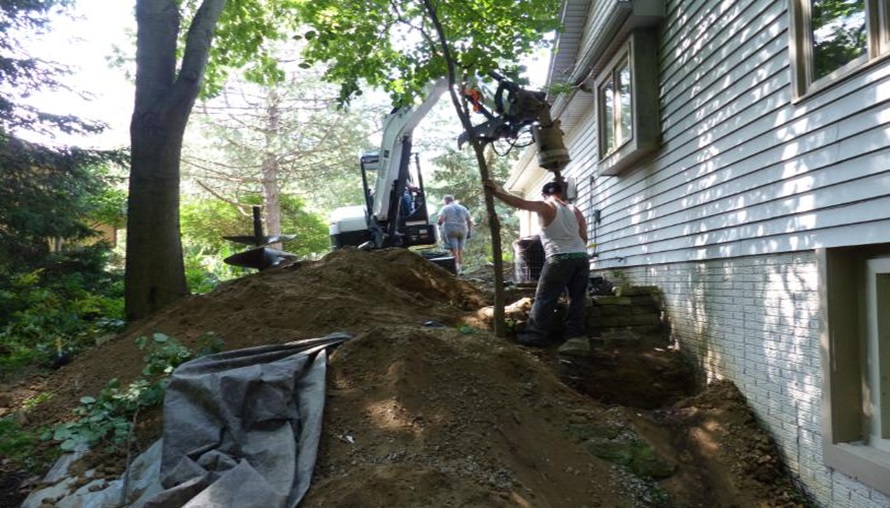

A crack in the foundation may look like an isolated defect, but it can sometimes indicate movement affecting other parts of the home. Walls, floors, doors, and windows all depend on stable support beneath them. When a crack grows or appears alongside other changes, delaying an evaluation may allow damage to spread throughout the structure.
Professional Foundation Crack Repair in Saint Charles helps homeowners determine why a crack developed and whether the foundation is still moving. With the correct diagnosis, contractors can recommend a solution that addresses the source instead of simply hiding the visible opening.
The Location of a Crack Provides Useful Clues
Foundation cracks can appear in walls, floors, concrete slabs, basements, crawl spaces, and exterior masonry. Their location can help explain what type of movement may be occurring.
Vertical cracks may develop as concrete cures or settles slightly. Diagonal cracks can form when one section of the foundation moves at a different rate from the surrounding structure.
Horizontal cracks in basement walls may indicate pressure from soil outside the foundation. Stair-step cracks that follow masonry joints can also suggest uneven settlement.
A professional looks at the direction, width, location, and surrounding damage before deciding whether a crack is cosmetic or structural. This detailed approach helps prevent homeowners from choosing a repair that does not match the problem.
Widening Cracks Deserve Prompt Attention
Cracks can remain stable for long periods, but visible changes should not be ignored.
A crack that becomes wider, longer, or uneven may indicate active foundation movement. Water entering through the opening is another reason to schedule an evaluation.
Homeowners should also look for related symptoms. Doors may begin sticking, windows can become difficult to operate, and floors may feel uneven. Drywall cracks may appear above nearby openings, while trim and cabinets can separate from walls.
Photographs with dates can help document changes, but monitoring should not replace a professional assessment when the damage continues progressing.
Soil Movement Can Create Structural Stress
The condition of the soil beneath and around the home has a major influence on the foundation.
When soil absorbs water, it may expand, soften, or erode. As it dries, it can shrink and leave areas beneath the foundation without consistent support. Repeated changes can cause one section of the structure to settle lower than another.
Poorly compacted soil, plumbing leaks, and drainage problems may create similar instability. Tree roots can also affect moisture distribution near the home.
Effective Foundation Crack Repair considers these conditions because sealing a crack will not stop it from returning if the foundation remains unstable.
Water Can Enter Through Small Openings
A crack does not need to be wide to allow moisture into a basement or crawl space.
Water can travel through small openings in concrete, masonry joints, and the areas where walls meet floors. Once inside, it may damage drywall, insulation, flooring, furniture, and stored belongings.
Persistent moisture can increase indoor humidity and create musty odors. It may also contribute to mold growth and wood deterioration in areas with limited ventilation.
A complete repair should determine how the water is reaching the foundation. Grading, gutters, downspouts, drainage systems, and exterior conditions may all need attention to prevent recurring moisture intrusion.
Cosmetic Filling Is Not Structural Stabilization
Surface patches may improve appearance, but they do not always provide a lasting repair.
Caulk, mortar, or other filling materials can separate when the foundation continues moving. A new crack may also develop beside the patched area as structural stress shifts to another location.
Professional Foundation Crack Repair begins by determining whether the crack is stable. If settlement or wall movement is active, the structure may need stabilization before the opening is sealed.
This order is important because it addresses the force that created the crack. Once the foundation is supported, the visible damage can be repaired with a lower risk of returning.
Cracks Can Affect Finished Living Areas
Foundation movement can damage much more than exposed concrete.
Interior walls may crack, tile can break, and hardwood flooring may separate. Cabinets, countertops, doors, and windows may shift out of alignment as the home moves.
Finished basements are particularly vulnerable because cracks can allow moisture to damage flooring, wall materials, furniture, and electrical components.
Homeowners planning renovations should have suspicious cracks evaluated before installing new materials. Completing structural repairs first creates a more stable surface for improvements and protects the remodeling budget.
Repair Methods Depend on the Underlying Problem
The correct repair method varies based on the foundation type and source of the damage.
Stable cracks may only need professional sealing to prevent water intrusion. Foundations experiencing settlement may require push piers or helical piers that transfer the home’s weight to more dependable soil.
Bowing basement walls may need anchors, braces, or reinforcement systems. Crawl spaces with weakened support can require repairs to beams, joists, or support columns.
Drainage improvements may also be included when moisture contributes to soil movement or pressure against the foundation.
A customized plan provides better protection than treating every crack with the same material or process.
Early Repair Can Reduce Secondary Costs
Foundation damage can become more expensive when it affects additional parts of the home.
A crack may begin near one corner, but continued settlement can spread damage into floors, walls, plumbing, and exterior masonry. Homeowners may spend money repeatedly fixing symptoms that return because the foundation remains unstable.
Early intervention may limit the amount of structural and cosmetic work required. It can also give homeowners more repair options before movement becomes severe.
An evaluation does not always lead to extensive repairs. Some cracks may simply require sealing or continued monitoring. The important step is determining what the property actually needs.
Professional Evaluation Creates a Clear Plan
Visual damage alone does not reveal the full condition of a foundation.
A professional evaluation may include the interior and exterior walls, floors, doors, windows, basement, crawl space, drainage, and surrounding soil. Looking at the complete home helps identify whether the crack is connected to a larger pattern.
Homeowners should receive a clear explanation of the findings, recommended solution, and expected result. If repairs are needed, they should understand how the proposed method will address the underlying movement.
This information allows homeowners to make decisions based on the condition of the structure rather than fear or guesswork.
Maintenance Supports Long-Term Results
After a foundation crack is repaired, routine maintenance helps protect the work.
Gutters should remain clear, and downspouts should carry roof runoff away from the structure. Soil around the home should slope outward so rainwater does not collect beside foundation walls.
Plumbing leaks should be repaired promptly, especially when they occur near or beneath the foundation. Basements and crawl spaces should also be checked after heavy rain for dampness or new cracks.
Regular monitoring makes it easier to recognize developing problems and respond before damage becomes widespread.
Stop Damage From Spreading With Foundation Crack Repair
Foundation cracks can provide an early warning that soil movement, wall pressure, or moisture is affecting a home. Responding before the damage spreads can protect finished areas, reduce repair costs, and preserve structural stability. A professional evaluation provides the information needed to select a lasting solution rather than a temporary patch.
When you need dependable Foundation Crack Repair, Hometown Foundation Repair Saint Charles provides detailed inspections and customized solutions for cracks, settlement, wall movement, moisture intrusion, and drainage-related structural concerns. Schedule an evaluation today to protect your Saint Charles, Missouri home and prevent foundation damage from reaching additional areas.
Comments are closed.