
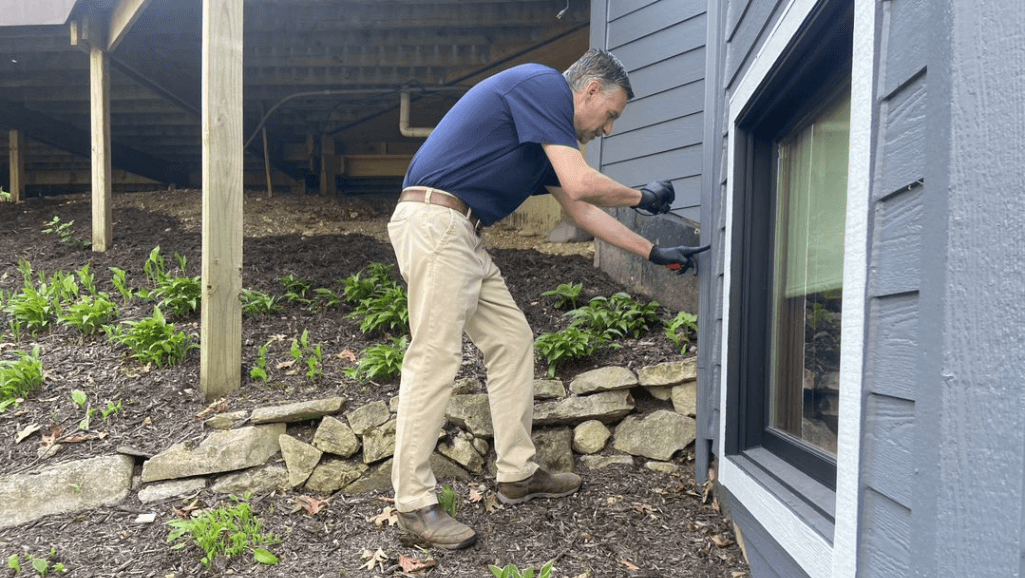

Small structural changes can create big questions for homeowners. A new wall crack, a sticking door, or a slightly uneven floor may be harmless, but it can also indicate movement beneath the home. Without a professional evaluation, it is difficult to know whether the property simply needs monitoring or requires timely repairs.
Scheduling a Foundation Inspection in Woodbridge can provide the answers needed to make an informed decision. An inspection examines the visible symptoms, surrounding conditions, and structural components of the home to determine whether movement is occurring and what may be causing it.
Inspections Replace Guesswork With Useful Information
Homeowners often notice individual symptoms without realizing they may be related.
A crack above a doorway may appear to be a drywall problem. A window that no longer closes properly may seem like a hardware issue. A low section of flooring might be blamed on age. When several of these changes appear together, however, foundation movement may be the common cause.
A professional Foundation Inspection considers the home as a complete system rather than looking at each symptom separately. The inspector evaluates how the walls, floors, framing, foundation, soil, and drainage conditions interact.
This broader perspective helps determine whether the damage is cosmetic, stable, or actively progressing.
Certain Changes Should Prompt an Inspection
Not every hairline crack means a home has a serious structural problem. The pattern and progression of the damage are often more important than a single mark.
Cracks that widen, return after being patched, or appear in multiple rooms deserve closer attention. Stair-step cracks in brickwork, horizontal cracks in basement walls, and diagonal cracks near windows may also indicate structural stress.
Other warning signs include sloping floors, gaps around trim, cabinets separating from walls, and doors or windows that suddenly become difficult to operate. Basement moisture, bowing walls, and shifting crawl space supports can provide additional evidence of foundation movement.
An inspection is especially valuable when these symptoms develop after heavy rain, nearby excavation, plumbing leaks, or major landscaping changes.
The Interior Tells Part of the Story
A foundation evaluation often begins inside the home because structural movement can affect alignment throughout the building.
The inspector may examine drywall cracks, flooring changes, door frames, window openings, and areas where walls meet ceilings. Differences between rooms can reveal whether one section of the home has moved more than another.
Basements and crawl spaces provide direct access to important structural components. Inspectors can check foundation walls for cracks or inward movement, review beams and supports, and look for signs of moisture or wood deterioration.
These observations help establish where movement may be occurring and how it is affecting the rest of the property.
Exterior Conditions Provide Important Clues
The outside of a home can reveal problems that are not visible from the living areas.
An inspector may examine exposed foundation walls, exterior cracks, porches, chimneys, and masonry. Separation between building materials can show how different parts of the structure have shifted.
The surrounding property is also important. Soil erosion, standing water, clogged gutters, and downspouts that release water beside the foundation may contribute to unstable ground conditions.
Trees, large shrubs, retaining walls, and recent construction can influence drainage or soil moisture around the home. Evaluating these factors helps the inspector identify conditions that may be placing stress on the foundation.
Water Management Is Part of the Evaluation
Water is one of the most common contributors to foundation movement and basement damage.
When rainfall collects near the home, the surrounding soil may expand, soften, or erode. As the ground later dries, it can contract and reduce support beneath sections of the foundation. Repeated moisture changes may eventually cause uneven settlement.
A Foundation Inspection can identify drainage conditions that increase this risk. The findings may show that gutters need maintenance, downspouts require extensions, or the yard needs grading improvements.
In some situations, correcting water management issues may help prevent further damage. In others, drainage improvements may need to accompany structural repairs for a more complete solution.
Inspections Help Separate Urgent Problems From Stable Damage
One of the greatest benefits of an inspection is learning which concerns need immediate attention and which can be monitored.
Some cracks remain unchanged for years and do not indicate active movement. Others continue growing and may require stabilization before they affect additional areas of the home.
A professional can explain the difference and help homeowners establish priorities. If monitoring is appropriate, dated photographs or measurements can document whether the condition changes over time.
If repairs are necessary, the inspection provides a foundation for developing a plan based on the location, cause, and severity of the movement.
This clarity prevents homeowners from spending money on unnecessary work or delaying repairs that could become more complicated.
An Inspection Is Valuable Before Major Home Projects
Structural concerns should be investigated before beginning expensive renovations.
New flooring, tile, drywall, cabinets, or basement finishes may be damaged if the foundation continues moving. Covering existing cracks can also make it more difficult to monitor changes or access the affected area later.
Scheduling an inspection before remodeling gives homeowners an opportunity to stabilize the structure first. Once any necessary repairs are complete, contractors can install new materials on a more dependable foundation.
This order of work protects the renovation budget and reduces the risk that finished areas will need to be removed for future structural access.
Homebuyers and Sellers Can Benefit From Clear Findings
Foundation concerns often become important during real estate transactions.
Buyers may feel uncertain when they see wall cracks, uneven floors, or signs of basement moisture. Sellers may struggle to explain whether the damage is old, active, or purely cosmetic.
A professional inspection can provide clearer information about the property’s condition. When repairs are recommended and completed, documentation can show how the concern was addressed.
Even when no immediate work is necessary, having an evaluation can help both parties understand what should be monitored. Clear findings reduce uncertainty and support more informed decisions.
The Inspection Should Lead to a Practical Plan
A useful inspection does more than point out visible damage. It should explain what the findings mean and what steps are appropriate.
Homeowners should understand where movement is occurring, what may have caused it, and whether the condition is likely to progress. If repairs are recommended, the proposed solution should match the foundation type and specific structural concern.
Possible solutions may include pier systems for settlement, wall reinforcement for inward movement, crawl space support, crack repair, or drainage improvements. Not every home will require the same approach.
A customized recommendation helps homeowners invest in work that addresses the actual problem instead of relying on a temporary patch.
Gain Clarity With a Professional Foundation Inspection
Uncertainty can make even a small crack feel overwhelming. A professional evaluation helps homeowners understand whether the damage is cosmetic, stable, or connected to active foundation movement. It also provides a clear path for monitoring, maintenance, or repair before the problem disrupts additional parts of the home.
When you need a dependable Foundation Inspection, Preferred Foundation Repair Woodbridge provides thorough evaluations for cracks, uneven floors, basement wall movement, crawl space concerns, and drainage-related foundation problems. Schedule an inspection today to better understand your Woodbridge, Virginia home and make informed decisions about its long-term protection.
Comments are closed.