
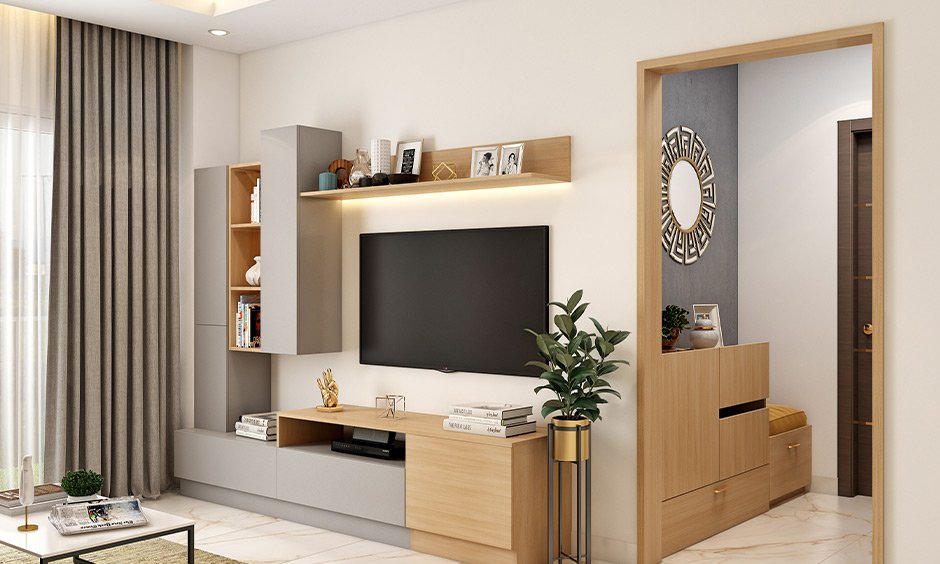

Furniture is often regarded as the cornerstone of interior design, influencing the mood, functionality, and overall ambiance of a space. From the comfort of a well-worn armchair to the elegance of a handcrafted dining table, furniture plays an indispensable role in how we live and interact with our surroundings. More than just functional objects, pieces of furniture reflect personal style, cultural values, and the changing dynamics of living spaces over time. The evolution of furniture is as much about progress in craftsmanship and materials as it is about understanding the needs and desires of the people who use them.
In this article, we will explore the multifaceted role that furniture plays in interior design, tracing its historical evolution, the various types of furniture that shape our spaces, and how trends in the modern world continue to redefine what furniture can and should be.
A Historical Look at Furniture
The history of furniture is intertwined with the development of civilization itself. In ancient times, furniture was primarily a matter of necessity. The Egyptians, Greeks, and Romans created functional objects for sitting, sleeping, and storing belongings, with their designs often reflecting the social hierarchies and cultural practices of their time. For instance, in ancient Egypt, furniture such as low stools and simple beds were made from wood and stone, serving basic functions with minimal ornamentation. However, as societies evolved, so did the artistry and complexity of furniture design.
During the Renaissance, furniture began to take on a more decorative role. Designers started experimenting with intricate carvings, inlays, and luxurious materials like gilded wood and marble. The Baroque period, following the Renaissance, saw even more elaborate designs, with opulent, heavily ornamented furniture becoming a symbol of wealth and power. The 18th century, marked by Rococo and neoclassical styles, continued this trend, favoring furniture pieces that exuded elegance and grandeur.
The Industrial Revolution of the 19th century marked a transformative period in furniture history. Mass production techniques allowed for the creation of furniture at a scale and price point previously unattainable for the average person. This democratization of furniture brought about the rise of functional, utilitarian pieces, which shifted the focus of design toward practicality without sacrificing beauty.
In the 20th century, movements like Modernism, led by designers such as Charles and Ray Eames, Ludwig Mies van der Rohe, and Le Corbusier, revolutionized furniture design once again. Modern furniture emphasized simplicity, clean lines, and the use of industrial materials like steel, glass, and molded plywood. These pieces were designed to serve both functional and aesthetic purposes, reshaping the way we viewed the relationship between objects and space.
Furniture as Function and Aesthetic
At its core, furniture serves two primary purposes: function and form. The first priority is often practical—the need for seating, storage, surfaces, and comfort. Yet, as interior design has evolved, furniture has increasingly become a vehicle for self-expression and creativity, making it as much an aesthetic statement as a functional necessity.
Seating: Comfort and Social Connection
Seating is perhaps the most essential category of furniture in any home, office, or public space. Sofas, chairs, and benches are the foundation of how we relax, entertain, and engage with others. Whether it’s the inviting comfort of a plush sectional in a living room or the ergonomic design of a sleek office chair, seating defines the functionality of a room.
The living room, often the heart of the home, is where seating plays a pivotal role in fostering social connection. Sofas, in particular, serve as a symbol of comfort and relaxation. The choice of fabric, cushioning, and style can greatly influence the atmosphere of the room—while a leather sofa might evoke sophistication and luxury, a fabric sofa may offer warmth and casual appeal. Seating in dining areas also has a distinct function, bringing family and friends together for shared meals, while accent chairs add personality and flair to a space.
Tables: The Anchor of a Room
Tables, whether dining, coffee, or side tables, are the workhorses of any living space. These surfaces serve a wide range of purposes: dining tables host meals and conversations, coffee tables provide a place for drinks and decor, and side tables serve as functional accessories for lighting and storage.
In the dining room, the table is often the most significant piece of furniture, bringing people together for shared experiences. The size and material of the dining table can set the tone for the room, whether it’s a long, formal wooden table with intricate carvings or a simple, modern glass-top table that reflects a minimalist approach.
Coffee tables, often positioned in front of sofas, serve as focal points and organizational tools in living rooms. A coffee table can be a piece of art in itself—crafted from wood, metal, glass, or stone—and its design can contribute to the overall style of the room. Whether it’s an elegant, sleek surface or a more rustic, reclaimed wood table, the coffee table is an essential piece of living room furniture.
Storage: Organizing and Beautifying
Storage furniture, such as bookshelves, cabinets, and credenzas, serves a dual purpose: organizing personal items while contributing to the visual appeal of the space. The role of storage has expanded beyond mere utility—today, storage solutions are designed to look beautiful as well as functional. Bookshelves are no longer just for books; they are artistic elements that house everything from photographs to sculptures, adding personality and style to a room.
In the bedroom, furniture pieces like dressers, nightstands, and wardrobes keep personal items organized, but they also serve as a way to express style. A vintage wooden wardrobe might evoke nostalgia, while a sleek, modern dresser may lend a clean, contemporary aesthetic to the room. The subtle interplay between utility and design is where furniture truly shines.
Bedroom Furniture: Creating a Restful Sanctuary
The bedroom is arguably the most intimate space in the home, and the furniture within it is integral to creating a peaceful, restful environment. The bed, being the central piece, plays a crucial role in setting the tone for the room. From opulent four-poster beds to minimalist platform designs, the bed is a reflection of personal style and comfort preferences.
Beyond the bed, nightstands, dressers, and armoires contribute to the functionality of the bedroom, offering storage for clothing and personal items while also contributing to the overall design. For instance, a bed with a tufted headboard may add a touch of luxury to the room, while a simple wooden nightstand can enhance the room’s rustic charm.
Trends in Modern Furniture Design
Furniture design is ever-evolving, influenced by changing tastes, technological advancements, and the growing importance of sustainability. In recent years, there has been a significant shift toward minimalism, with clean lines and clutter-free spaces becoming a hallmark of contemporary design. This movement emphasizes the importance of quality over quantity, with a focus on fewer, well-crafted pieces that contribute to a harmonious environment.
Sustainability has also become a key consideration in modern furniture design. As awareness of environmental issues grows, many designers are turning to eco-friendly materials such as reclaimed wood, bamboo, and recycled metals. Additionally, the rise of modular and multifunctional furniture allows for more efficient use of space, particularly in smaller homes and apartments. Modular sofas, fold-away desks, and convertible furniture are increasingly popular, offering flexibility and versatility in design.
Another prominent trend is the blending of vintage and contemporary styles, where antique pieces are mixed with modern designs to create a unique and personalized aesthetic. This eclectic approach allows homeowners to express their individual tastes while celebrating the timeless appeal of classic furniture.
The Future of Furniture
Looking ahead, the future of furniture design promises exciting innovations, especially with the integration of technology. Smart furniture, such as desks with built-in charging stations, sofas with adjustable lumbar support, and even beds with sleep-tracking capabilities, is becoming more commonplace. These pieces not only improve comfort but also align with the increasing demand for technology-driven solutions in daily life.
The continued focus on sustainability and ethical sourcing will also shape the future of furniture. As consumers become more conscientious about the environmental impact of their purchases, designers will likely place greater emphasis on creating furniture that is not only functional and aesthetically pleasing but also environmentally responsible.
Conclusion
Furniture is far more than just a necessity—it is an expression of who we are, how we live, and the spaces we inhabit. From the most basic chair to the most intricate cabinet, furniture is a fusion of form and function, tradition and innovation. Whether in the form of a plush sofa, an artfully crafted dining table, or a minimalist bookshelf, the right piece of furniture has the power to transform a room, create a mood, and elevate an entire design scheme. As styles continue to evolve, furniture will remain central to the way we design, live, and interact with the spaces around us.
Comments are closed.