
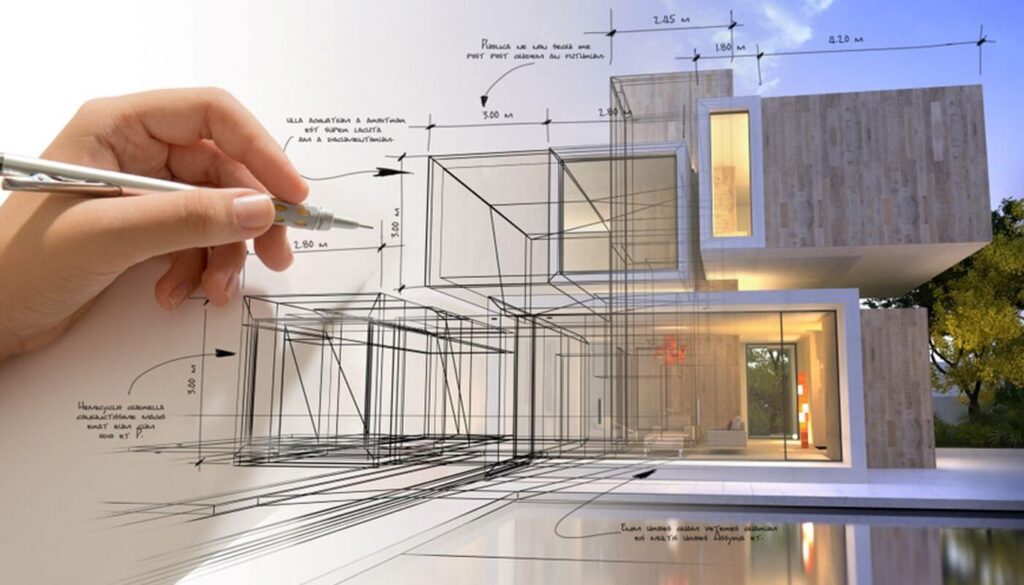

Architecture is far more than the simple construction of buildings—it is the deliberate act of shaping human experiences, encapsulating both beauty and purpose. Through careful planning and innovative design, architecture transforms the spaces we inhabit into environments that influence our emotions, our behavior, and even our societies. From the first rudimentary shelters built by early humans to the towering skyscrapers of today, architecture has been a constant thread in the human narrative, providing not only protection but also expression and identity. It is a blend of art, science, and philosophy that reflects the changing values, technologies, and aspirations of each era. As we stand on the precipice of an increasingly urbanized and technologically advanced future, the role of architecture continues to evolve, offering new solutions to the challenges of sustainability, connectivity, and human well-being.
The Dual Nature of Architecture: Art and Function
One of the defining characteristics of architecture is its dual nature—it is both an artistic expression and a technical discipline. An architect must be a visionary, a problem solver, and an artist, all at once. Buildings are not just structures; they are works of art that must be both aesthetically pleasing and functionally efficient. The design process requires an understanding of form, proportion, and materials, alongside a keen awareness of the practical needs of the occupants and the surrounding environment.
Take, for example, the iconic works of Antoni Gaudí, whose design of the Sagrada Família in Barcelona blends intricate, organic forms with the highest levels of structural ingenuity. Gaudí’s vision was to create a space that was not only religiously significant but that also connected deeply with nature, a source of inspiration for many of his architectural motifs. His innovative use of geometry and light illustrates how architecture can serve as both a canvas for artistic expression and a medium for deeper human connection.
At the same time, a building must serve its intended purpose, whether it’s a home, a school, an office, or a public space. The challenge for an architect is to marry the conceptual with the practical, ensuring that the spaces they design are not just beautiful but also livable and functional. Modern architectural trends such as minimalism or sustainable design take this balance to a new level, focusing on simplicity and efficiency while enhancing the overall experience of the space.
The Cultural Significance of Architecture
Architecture has always been a reflection of the culture and values of the society that creates it. From the grandeur of the Parthenon in Athens to the cutting-edge designs of contemporary cities like Dubai and Shanghai, buildings embody the historical, social, and philosophical contexts in which they are constructed. Architecture captures the aspirations of civilizations and becomes a tangible representation of collective identity.
In ancient Egypt, the pyramids were not merely tombs; they were symbolic of the pharaoh’s divine power and the promise of an afterlife. The Egyptians’ mastery of scale and proportion in these monumental structures conveyed a sense of eternal permanence, communicating the culture’s reverence for death and the afterlife. Similarly, the great Gothic cathedrals of Europe, such as Notre-Dame de Paris, were expressions of religious devotion, with their soaring arches and intricate stained glass windows reaching towards the heavens. These structures were not just places of worship but symbols of a society’s religious fervor and its desire to connect the earthly with the divine.
In contrast, modern architecture often reflects a culture’s embrace of progress, technology, and individualism. The skyscrapers of New York, London, and Tokyo are emblematic of the modern era’s focus on verticality, density, and innovation. These cities’ skylines symbolize economic power and technological advancement, reshaping urban spaces into hubs of activity and interaction. Likewise, the prevalence of glass-and-steel structures in many contemporary cities speaks to a desire for transparency and openness, as well as a celebration of human ingenuity.
The Evolution of Architectural Styles
The evolution of architecture is a testament to humanity’s ever-expanding knowledge and changing aesthetic preferences. What began as rudimentary shelters evolved into complex structures designed with ever greater sophistication. The Classical period, for example, laid the groundwork for architecture with its emphasis on symmetry, proportion, and the use of columns. The Greeks and Romans established architectural principles that continue to influence modern design, from the use of the column in neoclassical buildings to the application of arches and domes in public spaces.
The Middle Ages saw the rise of Gothic architecture, which was defined by its pointed arches, ribbed vaults, and flying buttresses. The soaring cathedrals built during this period were not only feats of engineering but also expressions of spiritual transcendence. The emphasis was on height and light, as architects sought to create spaces that felt both awe-inspiring and otherworldly. These cathedrals became the focal point of towns and cities, attracting pilgrims and visitors from across Europe.
The Renaissance period brought a return to classical ideals, but with an emphasis on humanism. Architects like Filippo Brunelleschi and Andrea Palladio drew inspiration from the works of the ancient Greeks and Romans, but they also sought to create spaces that reflected the human experience more directly. The concept of the “ideal” building, which balanced form with function, became central during this time. Buildings like the Pantheon in Rome and St. Peter’s Basilica in Vatican City reflect this fusion of art and science, where proportions, geometry, and light were used not only to create harmony but also to evoke a deeper understanding of the world.
The Industrial Revolution introduced new materials such as steel, iron, and glass, which revolutionized construction and paved the way for the rise of skyscrapers and large-scale urbanization. Modernism, which emerged in the early 20th century, rejected ornamentation in favor of clean lines and functional design. Architects like Le Corbusier and Ludwig Mies van der Rohe championed the idea that form should follow function, and their designs, which often featured open floor plans and simple geometric forms, laid the foundation for contemporary architecture.
The Future of Architecture: Sustainability and Innovation
As we move further into the 21st century, architecture is increasingly focused on addressing global challenges such as climate change, urbanization, and sustainability. The concept of sustainable architecture is not just a passing trend but a necessary evolution in response to the environmental challenges we face. Architects are now tasked with creating buildings that minimize their environmental impact, from the materials used to the energy efficiency of the design. Green roofs, solar panels, and passive heating and cooling systems are becoming standard features in modern buildings.
Moreover, technological advancements such as smart building systems, 3D printing, and the use of AI in design are reshaping the way architects approach their craft. These innovations enable architects to create more responsive, adaptable buildings that can meet the evolving needs of their users. The potential for “smart cities,” where architecture is seamlessly integrated with data and technology, promises to revolutionize urban living.
Conclusion: Architecture as a Reflection of Humanity
In the grand scope of history, architecture is both a reflection of human ingenuity and a testament to our ability to adapt and innovate. It captures the essence of human society, from its values and beliefs to its aspirations and technological advancements. Architecture not only shapes the physical world around us but also defines the experiences we have within it. Whether through the graceful columns of an ancient temple, the soaring heights of a modern skyscraper, or the sustainable design of tomorrow’s green buildings, architecture remains an essential part of what it means to be human. It is both a practical necessity and a profound artistic expression, one that continues to evolve, inspiring future generations to rethink the spaces in which they live, work, and dream.
Comments are closed.