
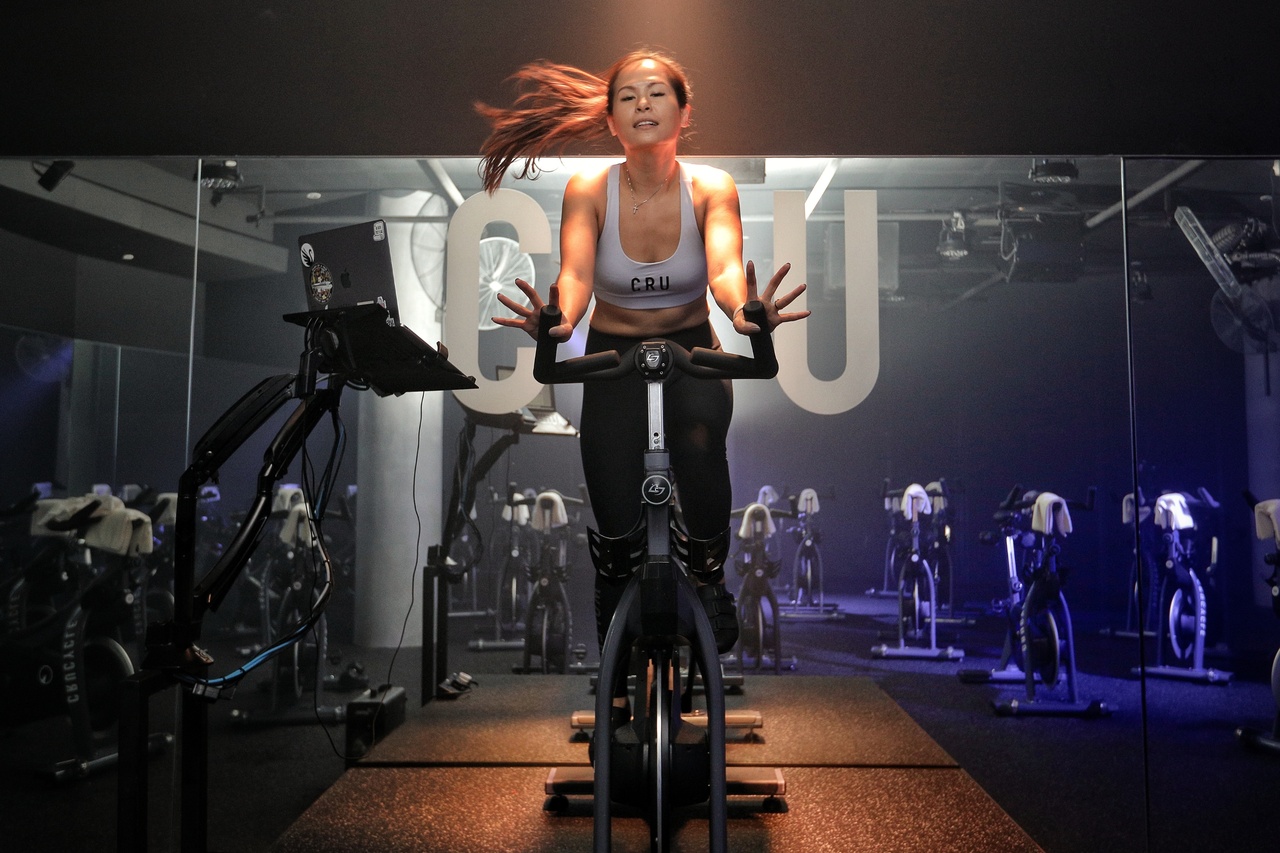

Singapore has one of the highest rates of home fitness equipment ownership in Southeast Asia, and the pandemic years accelerated that trend significantly. But owning equipment and using it effectively are two very different things. Many spin bikes purchased during peak home workout enthusiasm now serve as expensive clothes horses in HDB bedrooms across the island.
This article is not about convincing you to buy a home spin bike. It is about helping you make an honest, practical decision about whether a home cycling setup genuinely serves your fitness goals in Singapore’s specific living conditions, and if it does, what you actually need to do it well. For context, understanding what a professional spin studio Singapore delivers is a useful benchmark against which to evaluate what a home setup can and cannot replicate.
Is a Home Spin Bike Worth It in Singapore?
Before investing in equipment, the honest question is whether a home spin bike will get used consistently enough to justify the cost. The answer depends on several factors that are worth thinking through clearly.
A quality home spin bike in Singapore costs between SGD 800 and SGD 3,500 depending on the brand, flywheel weight, resistance mechanism, and technology integration. At the lower end of this range, you are looking at a functional but basic machine without data connectivity or smooth magnetic resistance. At the higher end, you get magnetic resistance, Bluetooth connectivity for pairing with virtual cycling platforms, and a heavier flywheel for a smoother ride feel.
A monthly membership at a quality spin studio in Singapore typically falls in the range of SGD 100 to SGD 200 depending on the facility and class frequency. On a pure cost-per-session basis, a home bike becomes financially advantageous after roughly 12 to 24 months of consistent use compared to studio membership, assuming you use the bike at least three times per week.
The critical variable is that “assuming.” The studio environment, with its scheduled classes, instructor accountability, and group energy, produces significantly higher adherence rates than home exercise equipment for most people. If you are genuinely disciplined about solo training and prefer the flexibility and privacy of riding at home, the economics eventually favour the bike. If you need external structure and motivation to train consistently, the studio membership is likely to deliver more value per dollar even at a higher monthly cost.
Space Planning in HDB and Condo Living
Singapore’s residential landscape presents real spatial constraints that affect home gym setup in practical ways. The average HDB flat ranges from roughly 65 to 110 square metres depending on flat type. Condominiums vary widely, but many one- and two-bedroom units sit below 70 square metres.
A standard spin bike occupies a footprint of approximately 100 by 50 centimetres for the machine itself, but you need meaningful clearance around it to pedal comfortably and safely. Allow at least 60 centimetres behind the saddle for dismounting, 60 centimetres on each side for arm movement and in case of a sudden stop, and sufficient ceiling height for comfortable upright riding, which requires a minimum of 220 centimetres above the saddle height.
In practice, this means you need a floor space of approximately 180 by 120 centimetres minimum for a spin bike and rider combined. In an HDB bedroom, this typically requires rearranging furniture or designating a specific corner of the space. In larger flat types or condominiums with a dedicated study or utility room, the setup is more straightforward.
Foldable spin bikes exist and are marketed as space-saving solutions. They are worth approaching with scepticism. The folding mechanism typically compromises structural rigidity, and the lighter frame produces a less stable and less satisfying ride. If space is genuinely too limited for a full-sized spin bike, this is a legitimate signal that a studio membership is the more practical choice.
Managing Noise and Vibration in Shared Environments
HDB noise and vibration considerations are among the most practically important factors in a home spin setup and among the most frequently underestimated. Singapore’s HDB regulations prohibit excessive noise that disturbs neighbours, and the thin concrete floors of many HDB blocks transmit vibration effectively.
A high-quality magnetic resistance spin bike is significantly quieter than an older friction resistance model. Magnetic resistance uses electromagnetic braking without physical contact between the resistance mechanism and the flywheel, which eliminates the scraping and grinding noise associated with friction-based systems. The primary remaining noise sources in a magnetic resistance bike are the sound of pedalling, the chain or belt drive, and the rider’s body movement.
Anti-vibration mats placed beneath the bike are non-negotiable in an HDB environment. Dense rubber matting designed for gym equipment reduces both the transmission of mechanical vibration through the floor and the noise of the machine’s contact with the floor surface. A double layer of anti-vibration mat under each contact point of the bike frame is more effective than a single large mat.
Timing matters as much as equipment. HDB regulations and common courtesy mean that early morning sessions before 7am and late evening sessions after 10pm are inappropriate for high-cadence cycling in a unit with downstairs neighbours. The peak acceptable training window for most HDB residents is 7am to 9pm, which aligns reasonably well with most Singaporeans’ work schedules.
Choosing a Spin Bike for Singapore’s Climate
Singapore’s tropical climate creates equipment longevity concerns that are not relevant in temperate countries. The combination of high ambient temperature, humidity frequently exceeding 75 to 80 percent, and sweat volume during intense exercise creates a corrosive environment for metal components.
When selecting a bike, look for a powder-coated or otherwise corrosion-resistant frame rather than bare metal. The bottom bracket and pedal threads are particularly vulnerable to corrosion from sweat drip-through. Wipe the frame and contact points down thoroughly with a dry cloth after every session. Leaving sweat to sit on metal components overnight accelerates corrosion substantially.
If you plan to ride in a room without air conditioning, which is a genuine option for those in units with poor layout for AC placement, a floor fan directed at the rider is not optional, it is essential. Without evaporative cooling provided by airflow, core temperature rises dangerously fast during high-intensity indoor cycling in Singapore’s ambient heat. A 40-centimetre standing fan placed one to two metres in front of the bike at chest height replicates the cooling airflow that a moving cyclist would experience outdoors.
Bikes designated for Singapore’s climate should also have sealed bearings at the bottom bracket and axle points. Unsealed bearings in humid environments accumulate moisture and corrode within months of regular use, creating creaking and eventually mechanical failure.
Replicating the Studio Experience at Home
The single greatest challenge of home cycling is not the equipment. It is the absence of the studio environment’s motivational architecture. No instructor pulling you through the intervals. No shared energy from a room of riders. No music system calibrated to drive effort. No social commitment that makes skipping feel costly.
Virtual cycling platforms address part of this. Platforms that integrate with Bluetooth-enabled spin bikes offer structured instructor-led sessions, performance metrics, leaderboards, and music-driven workouts that replicate elements of the studio experience on a screen. These platforms vary in quality and library size, but the best of them provide enough variety and instructional quality to sustain training interest over months.
Heart rate monitoring adds a critical layer to home training. Without the instructor’s cues about effort level and without class performance metrics, it is easy to drift into a comfortable zone during home sessions that feels productive but does not actually stress the cardiovascular system enough to drive adaptation. A chest strap heart rate monitor paired with your bike or training app gives you objective data on actual effort, ensuring you are genuinely hitting the intensity zones that produce results.
Returning to a studio periodically, even if home cycling is your primary training format, serves an important function. A session with a skilled instructor recalibrates your sense of appropriate effort, corrects any technical habits that have drifted at home without feedback, and provides a performance benchmark against which to assess your progress.
TFX Singapore offers class formats that work well as periodic benchmark sessions even for committed home cyclists, providing the instructor feedback and structured high-intensity programming that is difficult to fully replicate without a professional studio environment.
FAQ
Q: What is a realistic budget for a good home spin bike in Singapore?
A: For a bike that will serve you well over several years of regular use in Singapore’s climate, budget between SGD 1,500 and SGD 2,500. This range covers magnetic resistance systems, adequate flywheel weight for a smooth ride feel, and corrosion-resistant construction. Below SGD 800, you are typically buying a friction resistance bike with a light flywheel that produces a noticeably inferior ride quality and higher noise levels. Above SGD 3,000, you are paying for premium brand positioning and technology integration rather than meaningfully better core mechanical performance.
Q: Can I place a spin bike on HDB wooden flooring without causing damage?
A: Yes, with appropriate protection. A high-density rubber anti-vibration mat under the bike distributes the load and prevents the bike’s contact feet from scratching or indenting the wood over time. Avoid placing the bike on laminate flooring without matting, as the weight and movement of a spin bike will cause surface damage relatively quickly. Solid timber flooring is more durable but still benefits from protection. The mat also protects the floor from sweat drip, which is acidic and will damage unprotected wood surfaces over time.
Q: How do I prevent my spin bike from rusting in Singapore’s humidity?
A: Wipe the entire bike down with a dry microfibre cloth after every session, paying particular attention to metal surfaces, pedal threads, the seatpost, and handlebar stem where sweat accumulates. Applying a light coat of silicone spray to exposed metal components every two to three months creates a moisture-resistant barrier. Store the bike in an air-conditioned room where possible. If the bike is in a non-air-conditioned space, a dehumidifier in the room will significantly extend the lifespan of the machine’s metal components.
Q: Are home spin bikes as effective as studio classes at TFX for fitness results?
A: A home spin bike can be equally effective in terms of physiological stimulus if you train at sufficient intensity and frequency. The challenge is that without the instructor, group energy, and class structure, most people find it genuinely difficult to sustain the same level of effort at home that they would in a studio. The motivational architecture of a professional spin class is itself a performance-enhancing tool. Home training works best for disciplined self-motivated individuals who supplement it with periodic studio sessions for intensity benchmarking and technique feedback.
Q: What online spin class platforms work well with a home bike in Singapore?
A: Several major virtual cycling platforms offer structured instructor-led classes that integrate with Bluetooth-enabled spin bikes, providing real-time metrics, performance tracking, and varied class formats. The best fit depends on your bike’s connectivity capabilities and your preference for class style. Look for platforms that offer a mix of endurance, interval, and recovery sessions rather than a single workout format. Singapore’s internet infrastructure supports high-definition streaming reliably, so buffering is rarely a concern for home cycling sessions on any of the major platforms.
Comments are closed.