
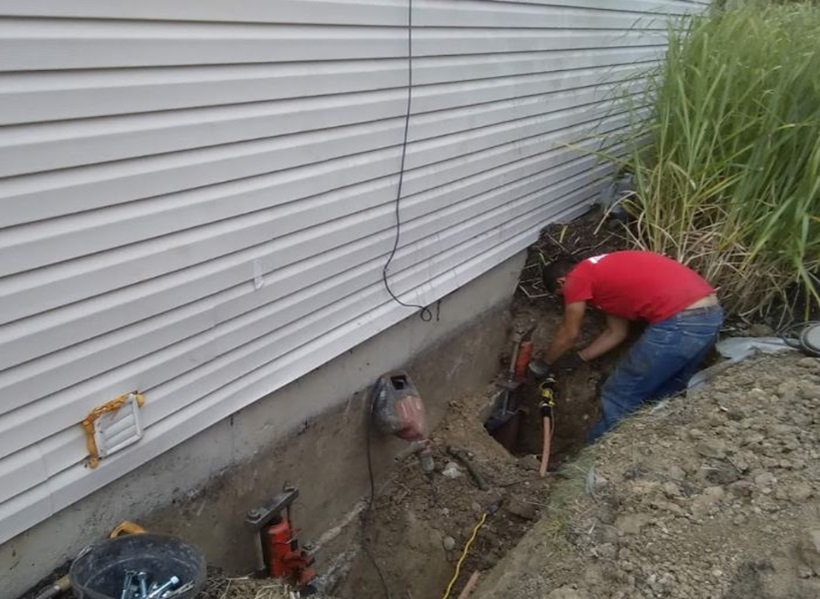

Foundation damage may begin beneath the home, but its effects can reach almost every room. Uneven settlement can interfere with doors, windows, floors, walls, plumbing, and finished spaces. What appears to be a minor crack can sometimes signal movement that is placing stress on the entire structure.
Professional Foundation Repair in Omaha helps homeowners identify the cause of that movement and restore dependable support. Addressing the problem early can protect structural components, prevent repeated cosmetic damage, and preserve the comfort and value of an Omaha property.
Foundation Movement Changes How a Home Functions
Many homeowners first recognize a foundation problem through everyday inconveniences rather than visible concrete damage.
A door may begin rubbing against its frame, or a window may suddenly become difficult to lock. Furniture might no longer sit level, and a floor may feel noticeably sloped when walking across the room.
Walls can also move out of alignment, creating cracks near ceilings, windows, and doorways. Trim may separate, cabinets can pull away from walls, and tile may crack as the surface beneath it shifts.
These changes can make a well-maintained home feel less comfortable and dependable. When several symptoms appear together, the foundation should be evaluated as a possible source.
Soil Conditions Influence Structural Support
Every home depends on the ground beneath it to provide consistent support. When soil conditions change, parts of the foundation may begin moving at different rates.
Soil can expand when it absorbs moisture and contract when it becomes dry. Saturated ground may also soften or erode, reducing its ability to support the weight of the structure.
If one section settles while another remains stable, stress can spread through the walls and framing. Plumbing leaks, poor drainage, and improperly compacted soil may make the movement more severe.
Effective Foundation Repair should address both the visible damage and the conditions contributing to it. Stabilizing the structure without understanding the soil or moisture problem may provide only a partial solution.
Cracks Can Reveal Different Types of Movement
Cracks are among the most recognizable signs of foundation trouble, but their appearance can vary.
Small vertical cracks may develop as concrete cures or experiences minor settlement. Stair-step cracks in brick or concrete block can indicate that one section of the foundation is moving differently from another.
Horizontal cracks in basement walls may be connected to pressure from the surrounding soil. Diagonal cracks near windows and doors can also form as the home shifts out of alignment.
Homeowners should pay close attention to cracks that widen, leak, or return after being patched. Photographing them over time can help show whether the damage is stable or continuing to progress.
A professional inspection considers the crack pattern together with other symptoms before recommending repairs.
Water Around the Home Can Increase Damage
Drainage is closely connected to foundation performance.
When gutters overflow or downspouts release water beside the house, moisture may accumulate in the surrounding soil. Poor grading can also direct rainwater toward the foundation rather than away from it.
Wet soil can place pressure against basement walls and contribute to cracking or inward movement. Water may also enter through existing openings, increasing basement humidity and damaging finished materials.
During dry periods, the same soil may contract and leave gaps beneath parts of the foundation. Repeated wet and dry cycles can create unstable conditions over time.
Improving drainage can support structural repairs and reduce the likelihood of recurring moisture-related problems.
Delaying Repairs Can Affect More Areas
Foundation movement rarely remains limited to one crack or one room.
As settlement continues, additional doors and windows may become misaligned. Flooring can separate or crack, while drywall damage may spread to other parts of the home. Basement walls may continue bowing, and plumbing lines can experience added strain.
Homeowners may spend money repeatedly repairing these symptoms without resolving the underlying movement. Cosmetic patches can improve appearance temporarily, but they cannot restore structural support.
Early Foundation Repair may limit secondary damage and provide more options for stabilization. Addressing a smaller affected area is often more manageable than waiting until movement reaches multiple sections of the home.
Repair Methods Should Match the Problem
Foundation repair is not a single process that works the same way for every property.
Settling foundations may require push piers or helical piers that transfer the home’s weight to deeper, more stable soil. Bowing basement walls may need anchors, braces, or reinforcement systems designed to resist outside pressure.
Homes with crawl spaces can require additional supports or repairs to beams and joists. Cracks that allow water inside may need sealing along with drainage or waterproofing improvements.
The correct method depends on the foundation type, direction of movement, soil conditions, severity of damage, and access around the property.
A detailed inspection helps create a customized plan that addresses the specific structural needs of the home.
Foundation Stability Protects Renovations
Home improvements can represent a significant investment, but foundation movement may damage newly installed materials.
Tile floors can crack, hardwood planks may separate, and fresh drywall can develop new openings. Cabinets, countertops, and built-in features may shift when walls or floors move out of alignment.
Homeowners planning to renovate a basement, kitchen, bathroom, or main living area should investigate existing structural symptoms before starting the project.
Completing necessary foundation work first creates a more stable surface for new improvements. It also reduces the chance that finished materials will need to be removed later to provide access for structural repairs.
Repairs Can Support Future Property Plans
A known foundation problem may complicate plans to sell, refinance, or make major improvements to a home.
Buyers and inspectors often pay close attention to cracks, uneven floors, and basement moisture. Without a professional explanation, these symptoms can create uncertainty about the condition of the property.
Completing appropriate repairs and retaining documentation can show that the concern was evaluated and addressed. Even homeowners who are not planning to sell benefit from understanding their home’s structural condition.
A stable foundation supports long-term ownership by reducing uncertainty and protecting the investments made throughout the property.
Maintenance Helps Preserve the Results
After repairs are completed, homeowners can support long-term foundation performance through routine maintenance.
Gutters should remain clear, and downspouts should carry water away from the structure. Landscaping and soil should maintain a gentle slope that encourages runoff to move away from the house.
Basements and crawl spaces should be checked after heavy rain for dampness, standing water, or new cracks. Plumbing leaks should also be repaired promptly before they affect the soil beneath the home.
Regular observation helps homeowners recognize developing concerns early and protect the results of completed structural work.
Restore Confidence With Foundation Repair
Foundation movement can affect much more than the concrete beneath a home. It can influence comfort, function, energy efficiency, renovations, and long-term property value. Recognizing warning signs early gives homeowners an opportunity to stabilize the structure before damage reaches additional areas.
When you need dependable Foundation Repair, Steadfast Foundation Repair Omaha provides professional inspections and customized solutions for settlement, cracking, bowing walls, crawl space problems, and drainage-related structural damage. Schedule an evaluation today to protect your Omaha, Nebraska home and restore confidence in the structure supporting it.
Comments are closed.