
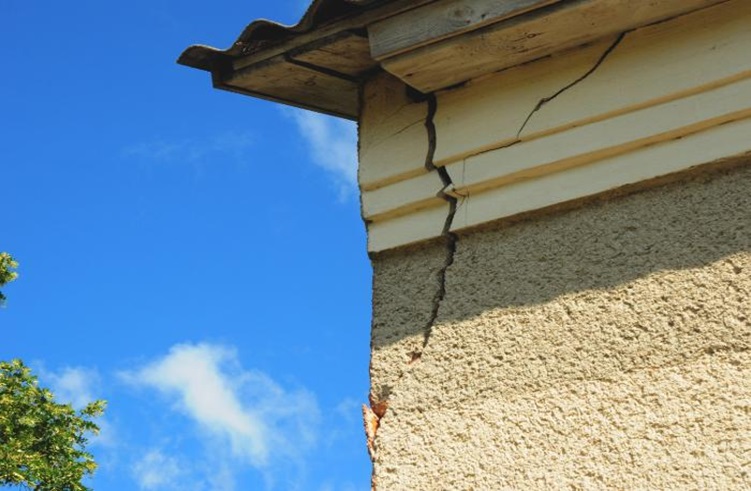

A foundation problem rarely announces itself through one dramatic event. More often, it begins with changes that are easy to dismiss, such as a thin wall crack, a sticking door, or a floor that feels slightly uneven. These symptoms may appear cosmetic, but they can also indicate that the soil beneath the property is no longer supporting the structure evenly.
Scheduling an evaluation for Foundation Repair in Aurora can help homeowners determine whether these changes are part of normal settling or signs of a developing structural problem. Finding the cause early makes it easier to plan the appropriate solution before additional areas of the home become affected.
Small Changes Can Reveal a Larger Problem
Homes naturally experience some movement as building materials age and respond to seasonal conditions. However, certain changes deserve closer attention, especially when several appear around the same time.
Cracks that continue widening, doors that no longer fit their frames, and floors that begin sloping may indicate uneven foundation settlement. Gaps can also develop between walls and ceilings, around window frames, or where cabinets meet the wall.
Outside the home, homeowners may notice stair-step cracks in brickwork, separation around porches, or visible movement along the foundation. Basement and crawl space walls may begin cracking, bowing, or allowing moisture to enter.
A single minor symptom does not always mean extensive repairs are necessary. The pattern, location, and progression of the damage provide important clues about what is happening beneath the home.
Aurora’s Changing Conditions Can Affect Foundations
The ground supporting a home is constantly responding to moisture and temperature changes. When soil becomes wet, it may expand or soften. During dry periods, it can contract and pull away from sections of the foundation.
These changes may create uneven support beneath the structure. One portion of the foundation can remain stable while another begins settling, placing stress on walls, floors, and framing.
Snow and rainfall can also contribute to moisture accumulation around a property. If gutters overflow, downspouts discharge too close to the house, or the yard slopes toward the foundation, water may collect beside foundation walls. Repeated moisture exposure can increase soil movement and contribute to basement leaks or structural pressure.
Professional Foundation Repair should therefore address both the visible damage and the property conditions contributing to it.
Monitoring Cracks Can Help You Act at the Right Time
Not every crack requires immediate structural work, but cracks should not be ignored without first understanding what caused them.
Hairline cracks may develop as concrete cures or building materials settle. Cracks that grow wider, appear suddenly, or return after being patched are more concerning. Horizontal cracks in basement walls and stair-step cracks in masonry may also indicate pressure or movement that requires professional evaluation.
Homeowners can document visible changes by taking dated photographs and noting whether doors, windows, or floors are becoming more difficult to use. This information can help a professional understand how quickly the issue is progressing.
Monitoring is useful when a crack is stable, but it should not replace an inspection when multiple warning signs are present. Waiting too long may allow movement to spread through additional parts of the structure.
Cosmetic Repairs Do Not Restore Stability
Filling a wall crack or repainting damaged drywall may improve the appearance of a room, but it does not correct movement beneath the home.
If the foundation continues settling, repaired cracks may reopen and new damage can appear nearby. Doors and windows may become increasingly misaligned, flooring may separate, and plumbing lines can experience additional strain.
Effective Foundation Repair begins with identifying why the structure moved. The solution may involve supporting a settling section of the foundation, reinforcing a damaged wall, repairing cracks, or improving water management around the home.
Once the foundation has been stabilized, homeowners can complete cosmetic repairs with greater confidence that the same damage will not immediately return.
Repair Plans Should Match the Property
Foundation problems do not have a universal solution. The correct repair method depends on the foundation type, severity of movement, soil conditions, drainage, and location of the damage.
Pier systems may be recommended when sections of a foundation have settled and require support from deeper, more stable soil. Bowing basement walls may need reinforcement through anchors or other stabilization methods. Cracks that allow water into a basement may require sealing together with drainage or waterproofing improvements.
A professional inspection helps determine which method is appropriate instead of relying on a temporary repair that only addresses the most visible symptom.
Homeowners should receive a clear explanation of the findings, recommended work, and expected result before proceeding. Understanding the repair plan makes it easier to compare options and make an informed decision about the property.
Drainage Is Part of Long-Term Foundation Protection
Water management plays an important role before and after foundation repairs.
Gutters should direct roof runoff into downspouts that release water a safe distance from the house. Soil around the foundation should slope away from the structure so rain and melting snow do not collect near basement or crawl space walls.
Homeowners should also watch for low areas where puddles form after storms. Persistent standing water, soil erosion, or unusually damp areas near the home may indicate that additional drainage improvements are necessary.
Correcting these conditions helps reduce moisture changes in the supporting soil. It can also protect completed repairs and reduce the likelihood of future basement moisture or structural movement.
Early Action Provides More Options
Foundation concerns often become more complicated as movement continues. A small section of settlement may eventually affect flooring, framing, plumbing, and interior finishes.
Having the property evaluated early does not automatically mean extensive repairs will be recommended. In some cases, a professional may suggest monitoring the area or correcting drainage before structural work becomes necessary. If repairs are required, early intervention may limit the affected area and provide more straightforward options.
Prompt action also helps homeowners plan the work instead of responding during an emergency or immediately before selling the property. A documented professional solution can provide reassurance that the underlying concern has been properly addressed.
Protect Your Aurora Home With Professional Foundation Repair
Your foundation supports every part of your home, so changes should be investigated before they have time to spread. Recognizing unusual cracks, uneven floors, sticking doors, and drainage problems can help you respond while the issue is still manageable. A professional evaluation provides the information needed to separate ordinary settling from structural movement and select an appropriate long-term solution.
When you need dependable Foundation Repair, Expert Foundation Repair Aurora provides detailed inspections and customized repair solutions designed to stabilize homes, address contributing conditions, and protect property value. Schedule an evaluation to understand what is affecting your foundation and take the next step toward restoring lasting stability.
Comments are closed.