
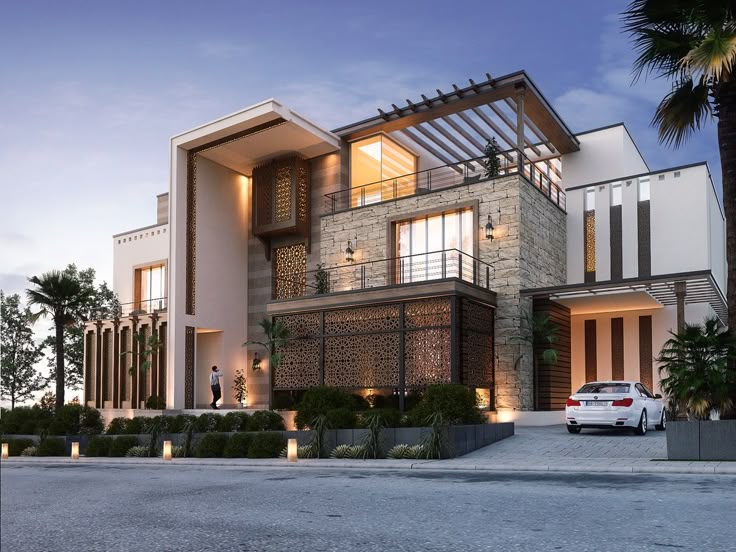

The exterior facade of a home serves as its primary architectural statement, establishing the design narrative before a visitor ever steps through the front door. For decades, residential siding was treated as a purely utilitarian element, chosen almost exclusively for its capacity to protect a structure from moisture, wind, and temperature fluctuations. Standard horizontal vinyl or traditional beige stucco dominated suburban landscapes, creating visually uniform neighborhoods.
However, contemporary residential architecture has experienced a major shift. Homeowners and architects now view exterior cladding as an active design medium. The modern market prioritizes dynamic textures, sustainable longevity, and creative material mixing. By utilizing innovative materials and striking geometric installations, modern siding trends are redefining curb appeal, turning houses into sophisticated architectural showcases.
The Rise of Vertical Siding and Board and Batten
One of the most profound shifts in contemporary home design is the departure from traditional horizontal lap siding. While horizontal lines tend to anchor a house to the ground, vertical installation techniques draw the eye upward, accentuating the height, pitch, and structural geometry of a building.
The Modernized Board and Batten Style
Historically associated with rustic barns and farmhouse architecture, the board and batten style has undergone a complete modern reimagining. The technique uses wide vertical panels called boards, accented by narrow vertical strips called battens that cover the seams.
Contemporary interpretations achieve a sleek aesthetic by utilizing crisp, engineered materials rather than rough-hewn timber. Homeowners are opting for wider board spacing, sometimes twelve to sixteen inches apart, combined with ultra-slim battens. This creates a clean, rhythmic shadow line that adds immense depth to large, flat walls without making the facade look overly busy.
Continuous Vertical Liners
Beyond board and batten, smooth vertical tongue-and-groove installations are highly sought after. Using flush joints where the panels lock together tightly, this method creates a seamless, monolithic wall surface. It is exceptionally popular for mid-century modern restorations and ultra-minimalist new constructions, where the objective is to highlight clean lines and eliminate distracting shadows.
Mixed Material Facades and Textural Contrast
The days of clad-in-one-material homes are fading. Modern exterior design heavily leverages the concept of mixed-material facades. Instead of wrapping an entire home in a single color or product, designers combine contrasting textures and materials to break up the mass of a house, define distinct architectural volumes, and highlight entry points.
Combining Warm Wood Tones with Cool Minerals
A dominant trend is pairing highly durable fiber cement panels in deep, matte charcoal or black with warm, natural wood accents. The rich texture of organic wood tones balances the stark, industrial coldness of the dark panels. This contrast is frequently deployed on contemporary geometric homes, where an entry alcove or a cantilevered second floor is wrapped in wood-look cladding while the main structure remains dark and uniform.
Integrating Architectural Metals
Corrugated steel, aluminum slats, and architectural copper are moving from commercial buildings to residential properties. Metal cladding provides an indestructible, low-maintenance accent that introduces an industrial edge. When combined with traditional elements like natural stone or smooth stucco, metal siding injects a fresh, unexpected contrast that signals cutting-edge design.
Advanced Materials Championing Longevity and Sustainability
While visual aesthetics drive design choices, material performance remains paramount. Homeowners demand products that can withstand extreme weather shifts without requiring annual staining, painting, or sealing.
Fiber Cement Evolution
Fiber cement, a mixture of wood fiber, sand, and cement, has been a market staple for years, but manufacturing advancements have drastically elevated its quality. Modern fiber cement can be pressed into molds that perfectly mimic the deep grain patterns of premium cedar, the smooth texture of poured concrete, or the rustic finish of distressed metal. It offers superior resistance to fire, rot, termites, and fading, making it a highly practical alternative to real wood.
Engineered Wood and Thermally Modified Timber
For those who insist on real wood but fear the maintenance, thermally modified wood is an emerging frontrunner. This process bakes the timber in a specialized oxygen-free kiln at extreme temperatures. The heat treatment alters the wood cellular structure, removing natural sugars and moisture.
The resulting product is highly resistant to warping, moisture absorption, and fungal decay. Engineered wood siding, which combines wood strands with advanced resins and zinc borate treatments, offers a similarly durable, uniform alternative that resists moisture intrusion.
The Contemporary Color Palette Shift
The modern exterior palette has moved far beyond safe neutrals like tan and standard gray. The current trend embraces bold, dramatic choices that make a definitive statement.
Moody and Deep Dark Tones
Deep charcoal, charcoal blue, forest green, and pure matte black are experiencing unprecedented popularity. In the past, dark siding was avoided because it absorbed heat and was prone to severe fading under UV exposure.
Modern paint formulations and factory-applied finishes feature advanced heat-reflective pigments that protect the substrate from thermal expansion and color degradation. A dark exterior allows a home to blend elegantly into natural, wooded landscapes while making architectural silhouettes stand out sharply.
High-Contrast Accents
If an entirely dark home feels too intimidating, high-contrast zoning is an excellent alternative. White or light cream siding paired with stark black window trims, black roof lines, and dark vertical accents creates a timeless look that feels fresh and sophisticated.
Frequently Asked Questions
Does vertical siding cost more to install than traditional horizontal lap siding?
Yes, vertical siding typically carries a higher installation cost. The process requires a more complex substrate preparation, often involving the installation of horizontal furring strips or a specialized drainage matrix behind the panels to ensure proper airflow and water shedding. Additionally, the precise cutting and alignment needed to keep vertical lines perfectly plumb demand more labor time from professional installers.
How does thermally modified wood siding compare to composite wood options?
Thermally modified wood is entirely authentic wood that has undergone a natural heat treatment process, meaning it retains the genuine grain variability and natural beauty of real lumber. Composite siding is a manufactured product made from a blend of recycled wood fibers and plastics. While composite siding requires virtually zero maintenance, thermally modified wood will naturally weather to a silver-gray patina over time unless it is regularly sealed with a UV-protectant oil.
Is dark exterior siding practical for homes located in hot, sunny climates?
Historically, dark siding caused homes to absorb excess heat, increasing cooling costs. However, modern premium siding materials utilize advanced dark coatings engineered with solar-reflective technologies. These pigments reflect invisible infrared light waves, drastically reducing heat absorption. When paired with high-quality continuous exterior insulation, dark siding can be utilized in sunny climates without compromising energy efficiency.
What is the average lifespan of modern fiber cement siding?
High-quality fiber cement siding is incredibly durable and typically carries a manufacturer warranty ranging from thirty to fifty years. The factory-applied baked-on paint finishes generally last fifteen to twenty years before requiring a fresh topcoat, making it vastly superior to traditional wood siding, which often requires repainting every three to five years.
Can I mix different siding profiles on a single-story home, or is that best for multi-story houses?
You can absolutely mix profiles on a single-story home, though it must be done intentionally to avoid looking chaotic. The most effective strategy for a single-story layout is to use one dominant profile for the main body of the house, such as smooth horizontal lap, and introduce a secondary profile like vertical board and batten exclusively on gables, entryways, or bump-outs to create subtle architectural interest.
How does modern metal siding perform during heavy rain or hail storms in terms of noise?
When installed correctly on a residential home, metal siding does not create excessive noise during storms. Unlike thin agricultural metal panels attached directly to open framing, residential metal cladding is installed over solid sheathing, thick house wraps, and continuous insulation layers. This dense wall assembly acts as an effective acoustic barrier, dampening the sound of wind, rain, and hail impact.
Comments are closed.