
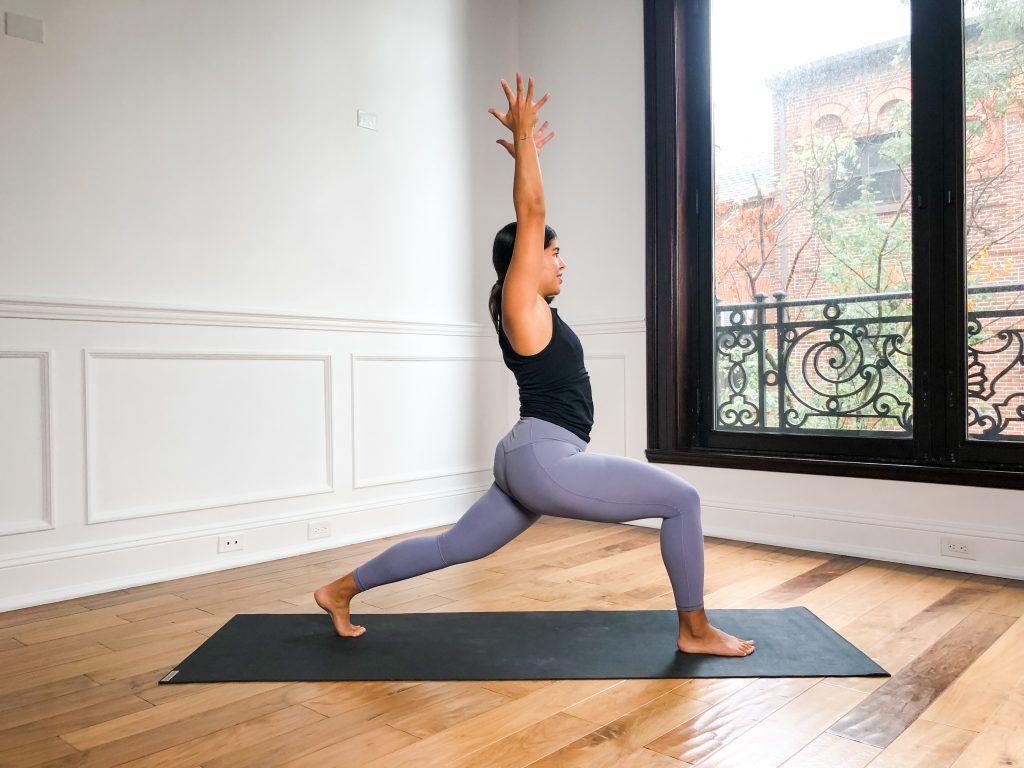

Practising yoga at home sounds simple until real life gets in the way. Limited space, hard flooring, noise concerns, humidity, and clutter can quietly erode motivation. Many people in Singapore start strong, then drift back to irregular practice because their home setup does not support consistency. Learning from what works inside a professional yoga studio Singapore environment can help transform even a compact HDB corner into a space that invites regular practice rather than resistance.
This article focuses on realistic home design choices for Singapore homes, prioritising comfort, safety, and habit-building over aesthetics or expensive equipment.
Why Home Practice Often Fails in Small Homes
Most people blame discipline, but environment plays a bigger role than motivation. When practice requires too much setup, moving furniture, or mental negotiation, it becomes optional.
Common friction points include
-
Slippery tile floors
-
Lack of privacy or noise sensitivity
-
Poor ventilation and trapped humidity
-
Mats that smell or degrade quickly
-
Visual clutter that breaks focus
Fixing these issues makes practice feel natural rather than forced.
Choosing the Right Location in an HDB Flat
The best yoga corner is not always the largest space. It is the most predictable and least disruptive.
Good location criteria include
-
Enough space to fully extend arms and legs
-
Minimal foot traffic during practice time
-
Access to natural airflow or a fan
-
Consistent lighting throughout the day
Many people succeed by using a bedroom corner, living room edge, or study area rather than the centre of shared spaces.
Flooring Solutions for Tile and Marble Homes
Hard floors are common in Singapore homes and can affect joint comfort and safety.
Effective flooring strategies include
-
A high-grip yoga mat suitable for humidity
-
A thin anti-slip under-mat for stability
-
A foldable rug placed under the mat for cushioning
Avoid thick carpets that trap moisture and odour. The goal is stable traction with easy cleaning.
Managing Humidity and Ventilation
Humidity affects grip, comfort, and mat hygiene. Poor airflow makes practice uncomfortable and discourages consistency.
Helpful adjustments include
-
Positioning near windows or balconies when possible
-
Using a standing or ceiling fan to circulate air
-
Practising during cooler times of day
Ventilation improves breath comfort and reduces mould risk on equipment.
Lighting That Supports Focus and Calm
Lighting has a direct impact on mood and energy.
Supportive lighting choices include
-
Soft white lighting rather than harsh cool tones
-
Adjustable lamps for evening practice
-
Avoiding direct overhead glare
Natural daylight works well for morning sessions, while warmer light helps signal relaxation in the evening.
Noise and Privacy in Shared Homes
Noise concerns are common, especially in flats with neighbours below or family members nearby.
Ways to practise quietly include
-
Using slow, controlled transitions
-
Choosing mat materials that reduce impact noise
-
Practising barefoot to avoid friction sounds
Privacy screens or curtains can also create a sense of separation without permanent changes.
Storage That Encourages Use, Not Avoidance
If equipment is hard to access, it rarely gets used. Storage should be visible and simple.
Effective storage ideas include
-
Wall hooks for mats and straps
-
Small baskets for blocks and towels
-
Shelving that keeps items off the floor
Avoid storing yoga gear in cupboards that require effort to open and reorganise.
Keeping Mats and Props Clean in Humid Weather
Hygiene affects both health and motivation. A damp or smelly mat quickly discourages practice.
Maintenance habits that work include
-
Wiping mats after each session
-
Air-drying mats fully before storage
-
Washing towels frequently
-
Avoiding leaving mats rolled while wet
These steps extend equipment life and keep the space inviting.
Creating a Studio-Like Mental Cue at Home
Studios work because they signal intention. You can recreate this cue at home.
Helpful signals include
-
A specific scent used only during practice
-
A consistent playlist or sound cue
-
Practising at the same time daily
These signals tell the brain that it is time to focus and unwind.
Adapting Practice to Limited Space
Small spaces do not limit yoga quality. They refine it.
Adaptations include
-
Using more standing and kneeling work
-
Reducing large travelling flows
-
Focusing on strength, balance, and breath
Controlled movement often leads to better body awareness than expansive sequences.
Blending Home Practice With Studio Attendance
Home practice does not replace studio practice. It complements it.
Many people use home sessions for
-
Short weekday practices
-
Recovery or breath-focused sessions
-
Reinforcing cues learned in class
Studios such as Yoga Edition often inspire these habits by teaching principles that translate easily from studio to home.
Building a Routine That Fits Singapore Lifestyles
Consistency grows when practice fits daily rhythms.
Realistic routines include
-
Ten to twenty minutes before work
-
Short evening wind-down sessions
-
Weekend longer practices
Short, regular sessions outperform long, irregular ones.
Avoiding the Perfection Trap
Home practice does not need to look Instagram-ready. Function matters more than aesthetics.
Letting go of perfection includes
-
Accepting some background noise
-
Practising without full silence
-
Allowing occasional interruptions
Progress comes from showing up, not controlling every variable.
Real-Life FAQ
Q: How much space do I really need for yoga at home?
A: Enough room to extend your arms and step back into a lunge is sufficient. Most practices can be adapted to small spaces.
Q: My mat keeps slipping on tile floors. What can I do?
A: Use a non-slip under-mat or lightly dampen the mat surface to improve grip in humid conditions.
Q: How do I practise quietly without disturbing neighbours?
A: Focus on controlled transitions, avoid jumping movements, and use mats that reduce impact noise.
Q: Is it safe to practise yoga in air-conditioned rooms?
A: Yes, as long as the room is not overly cold. Gentle airflow supports comfort and breath quality.
Q: How often should I clean my yoga mat in Singapore’s climate?
A: Wiping after each use and deep cleaning weekly works well in humid weather.
Q: Can home practice really build consistency?
A: Yes. When the environment supports ease and comfort, home practice becomes a reliable habit rather than a chore.
Comments are closed.