
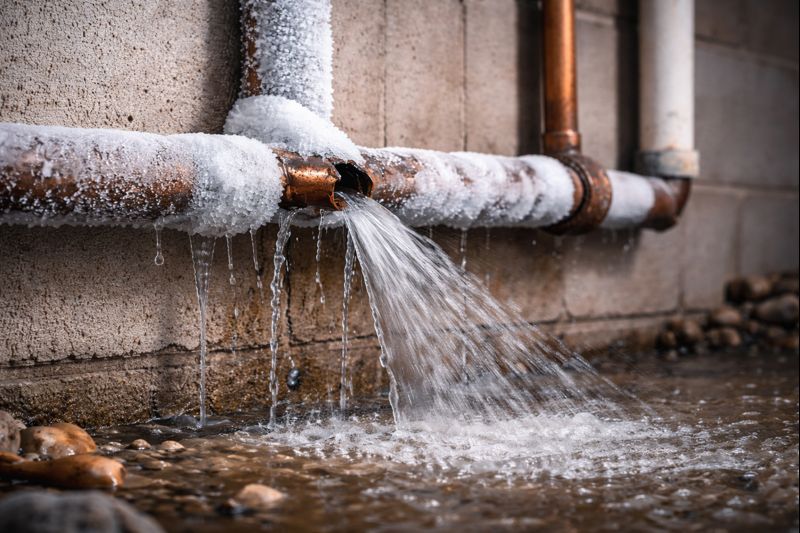

When an arctic blast or polar vortex bears down, the dropping mercury brings significant structural risks to residential properties. Among these hazards, frozen plumbing pipes rank as one of the most destructive and financially exhausting emergencies a homeowner can face. When water freezes inside a pipe, it undergoes a unique molecular transformation, expanding by roughly nine percent. Contrary to popular belief, the resulting burst rarely occurs at the exact spot where the ice blockage forms. Instead, the expanding ice acts as a solid piston, generating immense downstream hydrostatic pressure between the freeze point and a closed faucet. This dramatic pressure build-up eventually causes the pipe walls to rupture.
Recovering from a burst pipe involves far more than simply replacing a short length of plumbing copper or plastic. The subsequent water damage can ruin drywall, destroy flooring, rot structural framing, and foster toxic mold colonies. Fortunately, pipe failures during sub-freezing temperatures are almost entirely preventable. By understanding the thermodynamic vulnerabilities of your home plumbing and taking deliberate, proactive measures, you can insulate your property against the most severe winter drops.
Identifying Your Home Vulnerable Zones
Not all pipes carry the same risk of freezing. Plumbing lines that run through the warm interior core of a house are generally safe from standard winter dips. To protect your home effectively, you must identify and fortify the specific zones where sub-freezing external air can breach the thermal boundary.
Exterior Walls with Poor Insulation
Pipes routed through exterior walls are highly susceptible to freezing. If the wall cavity lacks adequate fiberglass or spray foam insulation, or if the insulation has settled over time, the plumbing lines are left exposed to the cold exterior sheathing. When temperatures plummet into the low teens for consecutive days, the cold penetrates the wall, rapidly dropping the water temperature inside the pipe.
Unheated Utility Spaces
Crawl spaces, uninsulated basements, attics, and attached garages often sit outside the thermal envelope of the living space. Plumbing lines supplying upper-floor bathrooms through an attic or running across a crawl space floor to reach a kitchen island are incredibly vulnerable. Because these spaces lack active heating sources, their ambient temperatures can plummet below freezing during extended cold snaps.
The Vulnerability of Plumbing Dead Ends
Outdoors, garden spigots, hose bibbs, and pool fill lines directly interface with the cold winter air. Because these fixtures project outward from the exterior skin of the home, they act as thermal conductors, pulling heat out of the internal plumbing line and speeding up the formation of solid ice blockages.
Essential Proactive Maintenance Tasks Before the Freeze
The most effective freeze prevention strategy begins long before the first snowflake falls. Executing a comprehensive autumn winterization checklist secures the perimeter before extreme weather arrives.
Disconnect and Drain Outdoor Hoses
Leaving a garden hose attached to an outdoor spigot during winter is one of the most common causes of burst internal pipes. The hose holds water right at the spigot opening. When that water freezes, it expands backward into the valve body and the supply pipe inside the wall, splitting the metal or plastic casing wide open. Disconnect all garden hoses, drain them completely, and store them away in a garage or shed.
Utilize Interior Shutoff Valves
Many modern homes feature dedicated interior shutoff valves for exterior spigots, located in the basement or utility closet. Close these internal valves completely, then go outside and open the exterior spigot handles. Leave the outside valves open throughout the winter months. This allows any residual water trapped inside the pipe section to drain out completely, ensuring the line remains dry and safe from expansion damage.
Install Heavy Duty Insulated Enclosures
For outdoor spigots that cannot be drained from the inside, installing a high-quality insulated enclosure is necessary. Avoid relying on makeshift wraps like rags or thin plastic bags, which provide minimal thermal protection against prolonged wind chill. Instead, utilize rigid styrofoam dome covers or dense, waterproof insulated fabric socks that attach securely to the exterior wall using adjustable straps. These enclosures trap the residual heat radiating through the home foundation, keeping the spigot assembly above the freezing point.
Operational Countermeasures During Extreme Cold Snaps
When local meteorological agencies issue hard freeze warnings, indicating sustained temperatures well below freezing for hours, you must switch from passive maintenance to active operational countermeasures.
The Strategic Faucet Drip Technique
When an arctic freeze sets in, letting specific interior faucets drip continuously is a simple, effective line of defense. This technique is often misunderstood; the goal of running a small trickle of water is not to prevent the line from freezing through motion, but rather to relieve the dangerous hydrostatic pressure build-up inside the pipe if an ice blockage does form.
Identify the faucets fed by pipes running along exterior walls or through unheated spaces. Open both the hot and cold taps slightly to allow a slow, steady drip, roughly five to ten drops per minute. Ensure the sink drains are completely clear of debris to prevent accidental overflows.
Opening Internal Cabinet Doors
Bathrooms and kitchen vanities located against exterior walls seal plumbing lines inside dark, unheated cabinets. During an extreme cold drop, open these cabinet doors wide. This allows the warm ambient air from the home heating system to circulate freely around the pipes, keeping the structural cavity well above freezing.
Maintaining a Consistent Thermostat Baseline
Many homeowners practice energy conservation by lowering their thermostat settings significantly at night. During a severe winter freeze, suspend this practice. Maintain a consistent interior temperature day and night, keeping the thermostat set no lower than fifty-five degrees Fahrenheit. If you plan to travel during the winter, never turn the heating system completely off; a sudden drop in outdoor temperatures could ruin an unmonitored home within forty-eight hours.
Long Term Structural Engineering Solutions
If your home has a history of temperamental or freezing plumbing lines, passive operational strategies may not be enough. Investing in long-term structural upgrades provides permanent peace of mind.
-
Upgrading to Frost-Free Hose Bibbs: Traditional outdoor spigots place the shutoff valve right at the exterior wall face. Frost-free hose bibbs feature an elongated stem barrel, usually eight to twelve inches long, that positions the actual valve seat and water supply deep inside the heated interior wall of the home. When you turn the handle off, the water drains completely out of the exposed barrel section automatically.
-
Deploying Self-Regulating Heat Cables: For vulnerable pipes routed through unheated crawl spaces or attics, installing electric heat trace cables provides active protection. These specialized cables contain a self-regulating conductive polymer core that automatically increases its heat output as the ambient temperature drops, keeping the plumbing pipe warm using minimal electricity. Always wrap the heat cable with a secondary layer of fiberglass or closed-cell foam insulation to maximize efficiency.
-
Sealing Perimeter Air Leaks: A tiny gap or structural crack in an exterior sill plate or rim joist can allow a highly concentrated jet of freezing winter air to blow directly onto an adjacent water line. Inspect your basement and crawl space perimeters closely. Use expanding polyurethane spray foam or heavy exterior-grade silicone caulk to seal every visible crack, joint, and utility penetration point to eliminate destructive drafts.
Frequently Asked Questions
Are plastic PEX plumbing lines entirely immune to bursting when frozen compared to copper?
PEX, or cross-linked polyethylene, is highly flexible and can expand significantly when water freezes inside it, making it vastly more resilient and less likely to rupture than rigid copper or PVC pipes. However, PEX is not completely indestructible. If subjected to repeated freeze-thaw cycles or extreme sub-zero temperatures over an extended period, the material stress can still cause the fittings, crimp rings, or the pipe wall itself to fail.
How do I safely thaw a plumbing pipe that has already frozen solid?
If you turn on a faucet and only a few drops emerge during a freeze, a pipe is likely frozen. Leave the faucet handle completely open to let water flow out as the ice melts. Locate the suspected frozen section, usually along an exterior wall or in a crawl space. Use a safe, controlled heat source like an electric hair dryer, a space heater placed at a safe distance, or wrapped towels soaked in hot water. Never use an open flame torch, propane heater, or heat gun, as these pose severe structural fire hazards and can cause thermal shock, shattering the pipe instantly.
Can a frozen drain pipe cause structural damage similar to a water supply line?
Drain pipes, which are typically constructed of thin-walled PVC or ABS plastic, operate under gravity rather than high water pressure. Because they are rarely filled completely with standing water, they have more room to accommodate ice expansion, making bursts less frequent. However, if a drain pipe develops a severe clog that holds standing water, a freeze can easily split the plastic seams, resulting in significant wastewater leakage once the system thaws out.
Should I wrap my indoor plumbing pipes in fiberglass insulation if the basement is already finished?
If your basement is fully finished, insulated, and actively tied into the home central heating and cooling network, wrapping the internal pipes behind the finished drywall is generally unnecessary. The priority for retrofitting insulation should remain focused on accessible, unheated zones like crawl spaces, attics, cantilevers, and unfinished utility rooms where the ambient air drops below forty degrees Fahrenheit.
What specific steps should I take immediately if a plumbing pipe bursts inside my home?
The absolute first priority is to stop the flow of water immediately by turning off the main water shutoff valve, which is typically located near the water meter where the supply line enters the home foundation. Once the water is off, open the lowest faucets in the house to drain the remaining water out of the system safely. Turn off the electricity at the main breaker panel if leaking water is nearing outlets, appliances, or light fixtures, and contact a licensed plumber and your home insurance provider immediately.
How effective are pool noodles as a DIY substitute for professional pipe insulation sleeves?
Standard foam pool noodles look very similar to professional polyethylene foam pipe insulation sleeves, but they are not an effective substitute. Pool noodles are engineered for buoyancy rather than thermal retention; they often lack UV stabilizers, crumble quickly when exposed to environmental changes, and lack the precise internal diameter measurements needed to fit snugly around plumbing lines, leaving large air gaps that compromise the insulation value.
Comments are closed.