
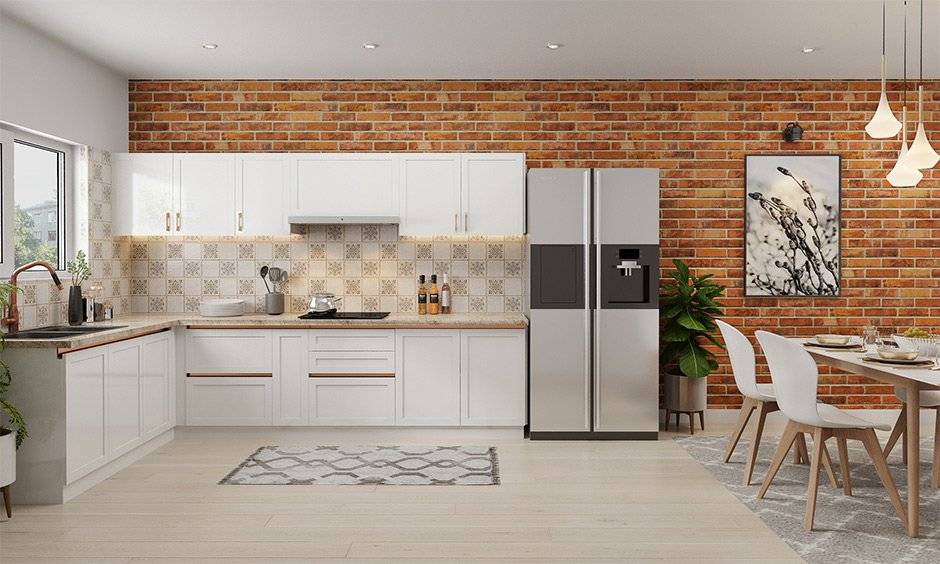

The kitchen is more than just a place where meals are prepared. It is the heart of the home, a space where families gather, memories are made, and culinary creativity is set loose. Whether it’s a sprawling, open-concept space or a cozy nook tucked into a corner, the kitchen serves as a central hub for daily life, offering both functional utility and a sense of warmth that makes it one of the most important areas in any home.
From the smell of freshly baked bread wafting through the air to the clink of glasses during a celebratory dinner, the kitchen is where some of the most intimate and enjoyable moments of life take place. However, its role goes beyond social interaction or the preparation of food. The kitchen’s design has the power to influence not only how efficiently meals are prepared but also how people interact with one another, shaping daily routines and fostering a sense of connection.
The Evolution of the Kitchen: From Utility to Heart of the Home
Historically, the kitchen was often relegated to a separate, isolated room at the back of the house—out of sight and out of mind. Meals were prepared by servants or household staff, and the space was focused solely on utility, with little regard for comfort or aesthetics. Over time, however, as families began to shift toward a more communal lifestyle, the role of the kitchen evolved.
The mid-20th century saw a dramatic shift, as the kitchen began to merge with dining and living spaces. Open-plan designs, which allowed for a seamless flow between the kitchen and living areas, became popular in modern homes. This shift was largely driven by the desire to make the kitchen a place for family members to interact, cook together, and even entertain guests. Today, the kitchen is often the focal point of the home, a place not only for food preparation but also for socializing, working, and relaxing.
Key Elements of Kitchen Design
Creating a kitchen that is both functional and aesthetically pleasing requires careful consideration of several essential elements. A well-designed kitchen should promote ease of movement, encourage efficient workflow, and be visually appealing. From layout to lighting, every detail plays a role in making the kitchen a space that enhances both daily routines and the overall ambiance of the home.
-
Layout and Flow
The layout of a kitchen can greatly affect its functionality. One of the most fundamental concepts in kitchen design is the work triangle, which refers to the ideal arrangement of the three primary work areas: the stove, the sink, and the refrigerator. The work triangle ensures that these areas are close enough to one another to allow for efficient cooking, without the need for excessive movement. A well-executed layout minimizes unnecessary steps, making it easier to move from one task to the next.
There are several popular kitchen layouts to choose from, depending on the available space and the preferences of the homeowner. The galley kitchen, with its parallel counters and narrow design, is ideal for smaller spaces, while the L-shaped and U-shaped layouts are perfect for larger kitchens. Open-concept designs with islands or breakfast bars also allow for greater flexibility and a sense of openness, making the kitchen feel like an integral part of the home’s social areas.
-
Storage and Organization
Storage is often one of the biggest challenges in kitchen design. A kitchen that is cluttered or poorly organized can make even the simplest tasks feel overwhelming. To keep the space functional and efficient, it’s essential to incorporate ample storage solutions. Modern kitchens are increasingly using clever designs like pull-out pantry shelves, deep drawers for pots and pans, and overhead cabinetry that maximizes vertical space.
Incorporating designated areas for specific items, such as spice racks, knife blocks, and utensil drawers, can significantly improve organization. For larger kitchens, a walk-in pantry can be an invaluable addition, offering both storage and easy access to dry goods. The key is to ensure that everything has its place, reducing clutter and making it easier to find what you need when you need it.
-
Lighting
Lighting is one of the most important aspects of kitchen design, influencing both the functionality and ambiance of the space. Proper lighting ensures that the kitchen is bright enough for tasks like chopping vegetables or reading a recipe, while also creating a warm, inviting atmosphere for family gatherings or dinner parties.
Task lighting, such as under-cabinet lights or pendant lights over an island, is essential for work areas. Ambient lighting, such as recessed lights or a chandelier, can help create an overall glow. Accent lighting, like spotlights on artwork or decorative features, adds a touch of elegance and style. Dimmers are a valuable addition, allowing the brightness to be adjusted based on the time of day or the occasion.
-
Materials and Surfaces
The choice of materials in a kitchen not only affects its appearance but also its functionality and durability. For countertops, materials like granite, quartz, and marble are both attractive and practical, offering a smooth surface for food preparation. For cabinets, wood, laminate, and metal are popular choices, each providing a different aesthetic and level of maintenance.
Backsplashes are an opportunity to introduce personality and style into the space. Whether it’s classic subway tiles, intricate mosaics, or sleek glass panels, the backsplash can become a focal point that ties the room together. Flooring also plays a crucial role in both the look and feel of the kitchen. Hardwood, tile, and vinyl are all popular options, each offering different levels of durability and ease of cleaning.
-
Appliances
Modern kitchens are equipped with an array of appliances designed to make cooking easier and more efficient. From high-end stoves and ovens to dishwashers and refrigerators with smart technology, appliances are integral to the kitchen’s function. Today’s appliances not only need to be efficient and durable but also stylish, often featuring sleek, minimalist designs that complement the overall aesthetic of the kitchen.
Energy-efficient appliances are becoming increasingly popular, both for their environmental benefits and long-term cost savings. Induction cooktops, for example, offer quick heating and precise control, while energy-efficient dishwashers and refrigerators can help lower utility bills without sacrificing performance.
The Emotional Connection: The Kitchen as a Social Space
While the kitchen is undoubtedly a place for cooking, it has become much more than that in modern homes. It serves as a gathering space for family and friends, a place to converse, bond, and create memories. The design of the kitchen should reflect this social function, with open spaces that encourage interaction.
The concept of the “kitchen island” has become central to many modern designs. Whether it’s used for meal prep, a casual breakfast, or as a place for children to do their homework, the island serves as a central focal point that facilitates connection. For those who love to entertain, an open kitchen design that allows for easy communication with guests in the living or dining area is essential.
Sustainable Kitchens: A Step Towards Eco-Friendly Living
Sustainability is becoming an increasingly important consideration in kitchen design. As people become more aware of their environmental impact, many are opting for kitchens that prioritize eco-friendly materials, energy-efficient appliances, and water-saving fixtures. Sustainable materials, such as bamboo cabinetry, recycled glass countertops, and low-VOC paints, are becoming popular choices for those looking to reduce their carbon footprint.
Water-saving devices, such as low-flow faucets and dishwashers, are also key features in green kitchen designs. Additionally, many homeowners are embracing composting, with dedicated areas for food waste, as part of a more sustainable approach to meal preparation and waste management.
Conclusion
The kitchen is no longer just a space for cooking—it is the emotional and functional heart of the home. Whether you’re designing a new kitchen or renovating an existing one, the goal should be to create a space that fosters creativity, connection, and convenience. With the right layout, materials, lighting, and appliances, the kitchen can become a place where not only meals are prepared but also memories are made, friendships are nurtured, and family bonds are strengthened. As we continue to embrace technology and sustainability, the kitchen will undoubtedly evolve, but its place as the heart of the home will remain unchanged.
Comments are closed.