
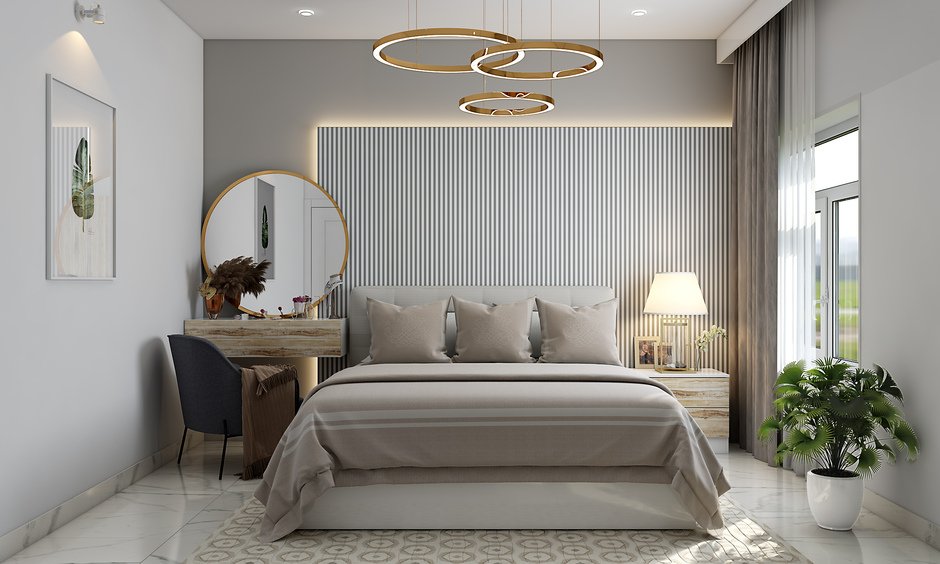

Interior design is a dynamic and ever-evolving discipline that goes far beyond the mere arrangement of furniture or selection of wall colors. At its core, it is the art of curating spaces that combine aesthetic appeal with functionality, creating environments where people not only live but truly thrive. While the pursuit of beauty is often a primary motivation, interior design is also rooted in creating spaces that are efficient, comfortable, and supportive of the human experience.
The role of an interior designer is multifaceted, requiring both creativity and technical expertise. Whether transforming a home, office, or commercial space, the designer must take into account a range of factors—ranging from spatial organization and lighting to personal tastes and psychological impacts of color and materials. This balance of form and function is at the heart of what makes interior design both an art and a science.
The Philosophy Behind Interior Design
At its most profound, interior design reflects a philosophy: it is about creating spaces that support and enhance human activity. Every space, from the most intimate room to the grandest open-plan office, serves a specific purpose. The design process, therefore, begins with understanding how the space will be used and who will occupy it. The designer must ask: What are the primary functions of this room? How can the space best support these activities? And, crucially, how do the elements of the design impact the well-being of the people who will inhabit it?
This philosophy finds expression in the concept of human-centered design, where the comfort, emotional response, and convenience of the occupants are placed at the forefront of the design process. It is no longer enough for a space to simply look good; it must also foster a sense of balance, peace, and productivity. For example, a well-lit kitchen is not just a space to prepare meals; it can be an environment that encourages socializing and enhances creativity. A home office should be designed not only to look stylish but to support long hours of work without inducing fatigue.
Key Elements of Interior Design
Interior design involves several essential elements that work together to create harmonious and functional spaces. These elements include space, line, form, light, color, texture, and pattern. Each of these factors plays a vital role in shaping the atmosphere and usability of a room.
-
Space
The most fundamental aspect of interior design is the manipulation of space. Space can be categorized into two types: positive space, which is occupied by objects, and negative space, which refers to the empty or unoccupied areas within the room. A designer’s challenge is to balance these two types of space in such a way that a room feels both open and cozy, functional and free from clutter. Proper spatial planning ensures that the layout accommodates the activities for which the room is intended while maintaining a natural flow and organization. -
Line
Lines in interior design are crucial as they define the structure and movement within a space. Vertical lines, found in tall furniture pieces or architectural features, convey a sense of height and strength, often providing an air of sophistication. Horizontal lines, typically seen in sofas or shelving units, lend a sense of stability and calm. Diagonal or curved lines are used to introduce energy and movement, guiding the eye through the space and creating focal points that draw attention. -
Form
The shape of objects within a space—whether furniture, accessories, or architectural features—determines the overall style and mood of the room. Soft, rounded forms often evoke a sense of relaxation and comfort, making them suitable for spaces intended for rest, like bedrooms or living rooms. On the other hand, sharp, angular forms tend to lend a more modern and dynamic feel, often favored in offices or contemporary spaces. Understanding how different shapes interact with one another is essential in maintaining a sense of harmony. -
Light
Lighting is one of the most critical elements in interior design. Its importance goes beyond mere functionality, as it profoundly affects the mood and ambiance of a space. Natural light is always preferred when possible, as it creates a welcoming, energetic environment. However, the strategic use of artificial lighting is also crucial, with layered lighting schemes (ambient, task, and accent) ensuring that different activities within a room are well-lit and visually pleasant. A well-lit room can instantly transform a space, enhancing its perceived size, warmth, and comfort. -
Color
The psychological effects of color cannot be overstated in interior design. Colors have the ability to evoke specific emotions, set moods, and even influence behavior. Warm tones like reds, yellows, and oranges are energizing and stimulating, making them ideal for social areas like living rooms or kitchens. Cool colors such as blues and greens promote relaxation and calm, making them popular choices for bedrooms and bathrooms. Neutral tones, such as whites, grays, and beiges, serve as a backdrop, allowing other design elements to shine. Understanding color theory is key to creating a cohesive and emotionally resonant space. -
Texture
Texture adds depth, interest, and tactile appeal to a room. The interplay of smooth, rough, soft, and hard surfaces can bring a sense of comfort or dynamism. For instance, plush rugs or velvet cushions can soften the look of a space and make it feel inviting, while sleek, polished surfaces—like glass or metal—can add sophistication and modernity. Layering textures within a room creates visual interest and ensures that the space feels rich and engaging. -
Pattern
Patterns are used to add personality and visual intrigue to a design. Whether through wallpaper, fabrics, or decorative accents, patterns can introduce a sense of rhythm and harmony to a space. However, they must be used thoughtfully to avoid overwhelming the senses. The key to mastering pattern use is balance—pairing bold, patterned elements with more neutral, solid ones to prevent visual clutter.
The Evolving Role of Trends in Interior Design
Interior design is influenced by societal trends and changing tastes. These trends reflect broader cultural shifts and innovations in technology, materials, and sustainability. In recent years, there has been a strong emphasis on sustainable design, which involves using eco-friendly materials, minimizing waste, and incorporating energy-efficient solutions. This trend is part of a larger global movement toward environmental consciousness and responsible consumption.
Another significant trend is the integration of technology into interior spaces. From smart lighting and thermostats to advanced home entertainment systems and automated furniture, technology is becoming an integral part of modern design. The challenge for interior designers today is to seamlessly incorporate these innovations without sacrificing the warmth and personal touch that make a space truly feel like home.
Furthermore, the rise of biophilic design—which emphasizes a connection to nature—has led to an increased focus on incorporating natural elements like plants, water features, and natural materials into interiors. This trend reflects a desire for wellness-focused environments that promote relaxation and a sense of calm.
Customization: The Personal Touch in Interior Design
One of the most exciting aspects of interior design is its ability to reflect individual personalities and lifestyles. A well-designed space should tell a story, one that resonates with the people who inhabit it. This customization can be achieved through the careful selection of colors, furniture, and décor that align with the client’s tastes and needs. Whether it’s an eclectic mix of vintage finds or a minimalist modern aesthetic, the designer’s job is to ensure that the space feels uniquely tailored to its occupants.
Conclusion
Interior design is much more than an aesthetic endeavor—it is about creating environments that support human life, providing both functional spaces and emotional resonance. From the careful consideration of space and form to the thoughtful use of color and texture, the practice of interior design is a sophisticated blend of art and science. A well-designed space has the power to enhance well-being, foster creativity, and improve quality of life. As trends evolve and new materials and technologies emerge, interior designers continue to push the boundaries of what is possible, ensuring that the spaces we inhabit are not only beautiful but also truly reflective of our lives and values.
Comments are closed.