
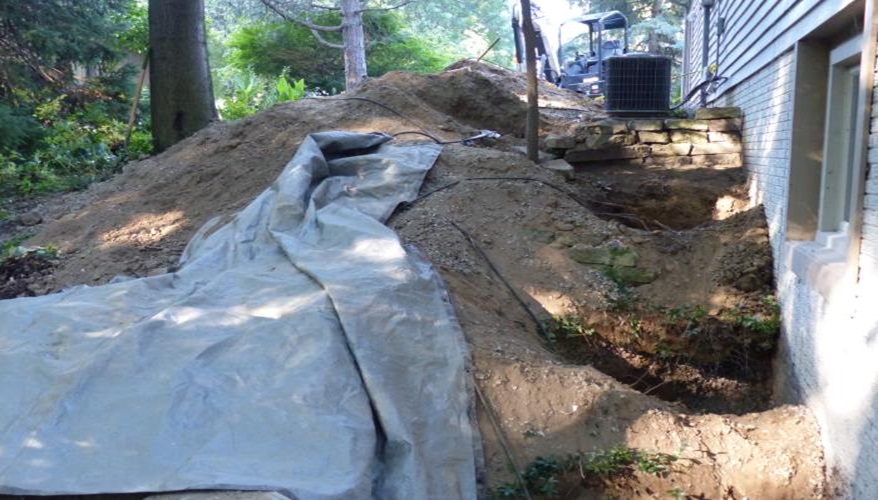

Your home’s foundation does more than support the walls and roof. It carries the weight of the entire structure, keeping everything stable and properly aligned. When the foundation begins to shift or weaken, the effects can be seen throughout the house, from small drywall cracks to uneven floors and doors that no longer close properly. While these problems may seem cosmetic at first, they often point to issues beneath the surface that deserve professional attention.
Foundation problems rarely improve on their own. In fact, they often become more expensive to repair as time passes. Understanding the causes, warning signs, and benefits of professional foundation repair can help homeowners protect both their investment and their family’s safety.
If you’re looking for dependable foundation repair, visit https://profoundationrepairracine.com/ to learn more about professional solutions designed to restore stability and protect your home for years to come.
Why Foundation Problems Develop
A home’s foundation depends on the soil beneath it for support. Although concrete itself is incredibly durable, the ground underneath is constantly changing due to weather, moisture levels, and natural settling.
Heavy rainfall can saturate the soil, causing some soil types to expand. During dry seasons, the same soil may shrink as moisture evaporates. These repeated cycles create uneven support beneath the foundation, leading to movement over time.
Other common causes include poor drainage, plumbing leaks beneath the slab, improperly compacted soil during construction, tree roots drawing moisture from the ground, and erosion around the foundation. Because every property has unique conditions, identifying the underlying cause is one of the most important parts of successful foundation repair. Professional inspections focus on determining why movement occurred before recommending repair methods.
Common Warning Signs
Foundation problems usually develop gradually, giving homeowners several opportunities to notice warning signs before significant structural damage occurs.
One of the earliest indicators is the appearance of cracks in drywall, ceilings, or exterior brickwork. While small hairline cracks can sometimes result from normal settling, cracks that continue growing or appear alongside other symptoms deserve closer attention.
Doors and windows that suddenly stick, gaps forming around trim, sloping or uneven floors, and cabinets separating from walls may also indicate foundation movement.
Outside the home, homeowners might notice cracks in the concrete foundation itself, uneven sidewalks, or visible separation between porches and the main structure.
Recognizing multiple symptoms at the same time often suggests that a professional evaluation is necessary. Experts recommend investigating patterns of movement rather than relying on a single cosmetic crack to determine whether repairs are needed.
Why Early Repairs Matter
Many homeowners postpone repairs because the damage initially appears minor.
Unfortunately, foundation movement rarely stops without intervention. As the soil continues shifting, structural stress increases throughout the house. Cracks may widen, floors can become increasingly uneven, and plumbing systems may even experience additional strain.
Addressing problems early often helps reduce repair costs while preventing more extensive structural damage. Smaller repairs completed before movement becomes severe are generally less disruptive than waiting until multiple parts of the home are affected.
Prompt foundation repair also helps preserve the home’s value. Buyers and home inspectors frequently pay close attention to foundation conditions during real estate transactions, making early repairs a worthwhile long-term investment. Repairing structural issues before they worsen can help maintain both safety and resale value.
Every Home Requires a Customized Repair Plan
No two foundation problems are exactly alike.
The most appropriate repair depends on several factors, including the foundation type, soil conditions, drainage, age of the home, and the severity of movement.
Some homes require stabilization using pier systems that transfer the weight of the structure to more stable soil beneath the surface. Others benefit from drainage improvements that reduce moisture fluctuations around the foundation. In some situations, repairing cracks and improving water management may be sufficient if structural movement has already stabilized.
Professional contractors begin by evaluating all contributing factors before recommending repairs. This customized approach helps ensure homeowners receive solutions that address the actual cause instead of simply treating visible symptoms.
Water Management Is Essential
Many foundation problems begin with poor drainage around the home.
When gutters overflow or downspouts discharge water too close to the foundation, excess moisture accumulates around the perimeter. Over time, the soil repeatedly expands and contracts, increasing the likelihood of settlement.
Proper grading allows rainwater to flow away from the home rather than pooling near the foundation. French drains, surface drains, and other drainage improvements may also help reduce water accumulation in vulnerable areas.
Managing water effectively not only protects repaired foundations but also helps reduce the likelihood of future structural movement. Maintaining proper drainage is consistently recognized as one of the most effective ways to protect residential foundations.
Avoid Focusing Only on Cosmetic Repairs
When cracks appear inside the home, it’s tempting to patch them with drywall compound or fresh paint.
Although cosmetic repairs improve appearance temporarily, they don’t correct the underlying structural issue if the foundation continues moving. New cracks often appear, and existing repairs may fail as settlement progresses.
Professional foundation repair addresses the structural cause before cosmetic restoration begins. Once the foundation has been stabilized, homeowners can complete interior repairs with much greater confidence that the damage won’t quickly return.
This approach saves money over the long term while providing a more permanent solution.
Ongoing Maintenance Helps Protect Your Foundation
Foundation care doesn’t end after repairs are completed.
Simple maintenance practices help homeowners reduce future risks and extend the life of their foundation. Cleaning gutters regularly, directing downspouts several feet away from the house, maintaining consistent moisture around the foundation, and inspecting for new cracks after major weather events all contribute to long-term structural stability.
Scheduling periodic professional inspections also allows developing concerns to be identified before they become major repair projects.
Preventative maintenance remains one of the most effective ways to protect a home’s structural integrity for years to come.
Invest in Professional Foundation Repair
Your home’s foundation supports everything above it, making it one of the most important structural systems on your property. Ignoring early warning signs may allow small problems to grow into much larger and more expensive repairs. By recognizing the symptoms of foundation movement and addressing them promptly, homeowners can protect their property’s safety, value, and longevity.
When you need reliable foundation repair, Racine Foundation Repair Experts provides comprehensive inspections and customized repair solutions designed to identify the source of foundation movement, restore structural stability, and help homeowners protect one of their most valuable investments.
Comments are closed.