
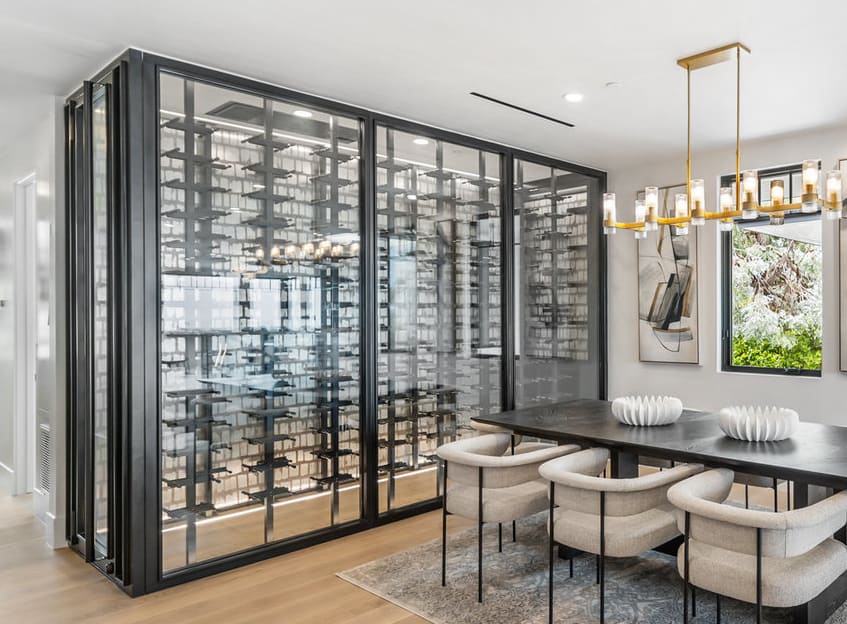

Miami cellars must control the climate without hiding the view
In Miami, a wine cellar often sits where people can see it. It may frame a dining room, brighten a condo wall, or become part of an open lounge. That visibility creates an interesting design test. The cellar must protect every bottle while looking natural beside glass, stone, wood, and modern furniture. We wrote this guide for collectors who want storage to feel like part of the home, not a cold room placed behind a heavy door. The process becomes more focused through a Miami wine cellar design service developed around the collection, room size, display goals, and local conditions. A thoughtful plan can balance bottle care with the clean, open style found in many South Florida homes.
This guide covers room preparation, cooling, bottle layout, lighting, and future growth. You will learn why Miami’s heat and moisture deserve attention before selecting racks or finishes. We will also look at glass enclosures, label-forward storage, wood accents, and metal systems. Modern Cellars offers custom layouts with choices in wood species, metal finishes, bottle positions, and modular storage. Its process includes design review and three-dimensional color renderings before production. These steps help homeowners test the room before installation begins. The final cellar should keep bottles organized, make selection easy, and complement the home from every viewing angle.
What should the room provide before cellar design begins
A good wine cellar starts with the room itself. Measure the full height, width, and depth of the proposed space. Mark doors, windows, air vents, outlets, baseboards, and ceiling details. Note whether direct sunlight reaches the area during the day. Glass walls and nearby warm rooms can increase the cooling demand. These facts should guide the design before bottle capacity is calculated.
Prepare these details for the first review
- Current bottle count and expected collection growth
- Standard bottles, magnums, cases, and spirits
- Full room measurements and clear photographs
- Preferred display style and material choices
- Available routes for power, cooling, and drainage
Think about both access and appearance. A narrow aisle may look clean in a rendering but feel awkward when bottles are removed. The door should open without blocking storage or nearby furniture. Cooling equipment also needs a place to release heat and allow future service. Accurate room information gives the designer fewer problems to solve after production begins.
How can climate planning protect wine in Miami homes
Heat and humidity can shift quickly when a cellar is poorly sealed. A cooling unit may run often without creating stable storage conditions. Room preparation should therefore function as a single system.
- Seal the enclosure with care
Walls, ceilings, doors, and glass joints should limit air leaks. Warm outside air makes cooling harder and may lead to moisture issues. A tight room also supports steadier conditions.
- Size the cooling system for the real load
Room volume is only one factor. Glass area, lighting, insulation, nearby rooms, and bottle count can change the load. A qualified professional should assess the full space.
- Plan for released heat
Cooling systems move heat out of the cellar. That heat must go somewhere suitable. Poor vent planning can warm a closet, hallway, or nearby living area.
- Track conditions through every season
Use dependable temperature and humidity monitors. Review readings during hot weather and after major room changes. Early checks can reveal small problems before the collection is affected.
Modern Cellars notes that climate control should be coordinated with the project team based on room dimensions and bottle count. A beautiful cellar still needs a stable interior environment to serve its main purpose.
Why should bottle display match the way you collect wine
Storage should reflect how often bottles are opened and how long they remain in the cellar. A collector who hosts weekly dinners needs quick access to daily selections. Rare bottles may belong in quieter areas with less handling. Large formats need wider or deeper spaces than standard bottles. Cases, spirits, and serving tools may also require separate storage. A single repeated rack pattern rarely meets every need.
Useful display options may include
- Label-forward rows for easy bottle selection
- Full-depth storage for greater capacity
- Feature areas for rare or meaningful bottles
- Wood modules for cases and larger formats
- Open metal racks for lighter visual lines
Custom systems can combine wood and metal while supporting different bottle sizes and display angles. Modern Cellars lists Walnut, White Oak, and Sapele Mahogany among its wood choices, along with several anodized metal finishes. The mix should relate to the flooring, cabinets, and trim already in the home. Good storage feels organized without making the room look crowded.
Let the finished cellar feel calm, useful, and distinctly Miami
A successful Miami wine cellar needs more than attractive racks. The room, cooling plan, bottle layout, lighting, and materials must support one another. We suggest beginning with an accurate list of collections and a careful review of the proposed space. Decide which bottles deserve display and which need efficient long-term storage. Leave room for growth because a well-used collection rarely stays the same size. Review the rendering from both the inside and the outside of the cellar before approving it. Then let the final design bring order to the bottles while adding a quiet sense of character to the home.
Comments are closed.