
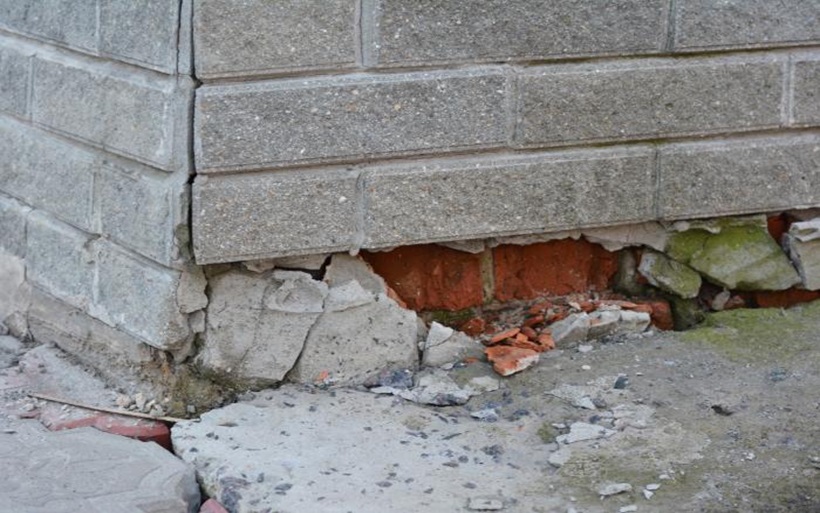

A home may look completely secure above ground while movement slowly develops beneath it. Foundations depend on stable soil, effective drainage, and proper structural support to carry the weight of the property. When any of these conditions change, small problems can begin appearing in walls, floors, basements, and crawl spaces.
Homeowners who notice these changes can learn more about Foundation Repair In Knoxville and the solutions available for restoring structural stability. A professional assessment can identify the source of the movement, determine whether repairs are necessary, and help prevent damage from spreading throughout the home.
Foundation Problems Often Begin Below the Surface
Foundation damage is not always caused by a defect in the concrete itself. In many cases, the problem begins with the soil supporting the structure.
Soil conditions can change as moisture levels rise and fall. Saturated ground may soften or shift, reducing the support available beneath part of the foundation. As the soil dries, it may shrink and create gaps beneath the structure. This movement can cause one area of the home to settle more than another.
Erosion, plumbing leaks, poorly compacted soil, and drainage problems may also contribute to settlement. Because the visible cracks are often only symptoms, effective Foundation Repair requires an understanding of what is happening below the home.
Moisture Can Place Pressure on Knoxville Homes
Rainwater should move away from a home rather than collect near the foundation. When gutters overflow, downspouts release water beside the structure, or the surrounding ground slopes toward the house, moisture can accumulate around basement and crawl space walls.
Excess water may increase pressure against below-ground walls and find its way through cracks or joints. Over time, homeowners may notice damp walls, musty odors, standing water, or white mineral deposits on masonry surfaces.
Persistent moisture can also affect wooden floor supports in crawl spaces. Damp conditions may contribute to wood deterioration, unpleasant odors, and indoor humidity problems. Correcting drainage and moisture issues can therefore be an important part of protecting both the foundation and the living areas above it.
Your Home May Be Showing Early Warning Signs
Foundation movement usually creates more than one symptom. The signs may appear in different parts of the property and gradually become more noticeable.
Interior drywall can crack above doors, near windows, or where walls meet ceilings. Doors may begin rubbing against their frames, while windows can become difficult to open or lock. Floors may feel uneven, bounce in certain areas, or develop gaps around baseboards.
Exterior symptoms can include stair-step cracks in brick, separation around porches, and cracks along visible foundation walls. Basement walls may bow inward, while crawl space supports can shift or weaken.
These signs do not reveal the exact cause on their own, but they provide a strong reason to schedule a professional inspection.
Crawl Space Problems Can Affect the Entire House
Many foundation discussions focus on concrete slabs and basements, but crawl spaces are equally important to a home’s structural performance.
Floor joists, beams, and support columns work together to carry the weight of the rooms above them. If the supports settle, deteriorate, or become improperly spaced, floors may begin sagging or feeling unstable.
Moisture can make the problem worse by affecting wooden components and creating conditions that allow mold or rot to develop. Homeowners may first notice soft flooring, unpleasant odors, high indoor humidity, or doors that no longer close correctly.
Professional Foundation Repair may include adjusting or reinforcing crawl space supports, addressing moisture sources, and improving the conditions beneath the home. Treating the entire system provides better results than repairing only the visible flooring damage.
Structural Repairs Depend on the Cause
There is no single repair method that works for every foundation concern. Contractors select solutions based on the type of foundation, location of the movement, severity of the damage, and condition of the supporting soil.
Settling foundations may require pier systems that transfer the structure’s weight to stronger soil below the unstable layer. Bowing basement walls may be stabilized using anchors, braces, or reinforcement systems designed to resist outside pressure.
Crawl spaces may benefit from additional support posts or beam repairs, while cracks that allow water intrusion may require sealing and drainage improvements. Some properties need a combination of structural stabilization and moisture management to achieve lasting results.
A detailed inspection allows the repair plan to match the actual conditions affecting the home.
Waiting Can Allow Damage to Spread
Foundation problems often become more difficult to address when movement continues unchecked. A crack that begins in one wall may widen or appear in other rooms. Uneven floors can place additional strain on framing, cabinets, and interior finishes.
Movement may also affect plumbing lines and create openings where moisture or pests can enter. Homeowners who repeatedly patch cracks without correcting the underlying cause may spend more over time while the structural issue continues developing.
Early action can limit the affected area and provide more repair options. Even when immediate structural work is not required, an inspection can establish a baseline and help homeowners monitor the property more accurately.
Maintenance Supports Long-Term Stability
After repairs are completed, routine property maintenance helps protect the foundation from future moisture and drainage problems.
Gutters should remain clear so roof runoff reaches the downspouts instead of spilling beside the house. Downspout extensions can move water farther from the foundation, while proper grading encourages rainfall to flow away naturally.
Homeowners should also inspect basements and crawl spaces after periods of heavy rain. New damp areas, standing water, or changes in existing cracks may indicate that drainage conditions need additional attention.
Trees and large shrubs should be monitored as well because growing roots and changing soil moisture can influence the ground near the home. Regular observation allows developing problems to be addressed before they cause extensive damage.
Professional Inspections Create a Clear Repair Plan
It can be difficult for homeowners to determine whether a crack represents normal settling or significant structural movement. A professional inspection brings together information from the interior, exterior, foundation, drainage system, and surrounding property.
Inspectors can evaluate crack patterns, floor elevations, wall movement, moisture conditions, and structural supports. They can then explain which findings require repair, which should be monitored, and how the recommended solution addresses the source of the problem.
This process gives homeowners a clearer understanding of their property instead of leaving them to make decisions based only on visible damage.
Preserve Your Home With Professional Foundation Repair
Foundation concerns can affect comfort, safety, energy efficiency, and property value when they are left unresolved. Recognizing cracks, uneven floors, moisture problems, and crawl space changes early gives homeowners an opportunity to act before the damage becomes more extensive. With the right evaluation and repair plan, a home can regain the reliable support it needs for the future.
When you need professional Foundation Repair, Expert Foundation Repair Knoxville provides comprehensive inspections and customized solutions for settlement, wall movement, crawl space concerns, and moisture-related foundation problems. Schedule an evaluation today to identify the cause of the damage and begin restoring lasting stability to your Knoxville home.
Comments are closed.