
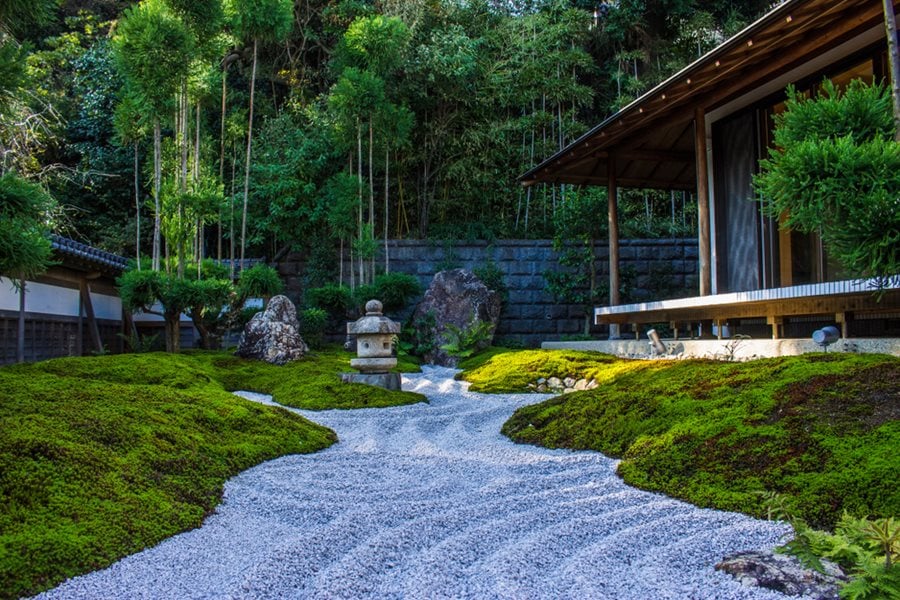

Modern life moves at an exhausting pace, filled with digital noise, sensory overload, and constant demands on attention. To combat the resulting stress, creating a dedicated space for quiet reflection becomes an important step toward maintaining mental well-being. A traditional Japanese Zen garden, historically known as karesansui, offers the ultimate sanctuary for relaxation. Translated literally as dry landscape, these gardens rely on minimalist elements rather than abundant, colorful flowerbeds to foster a deep sense of internal calm.
The philosophy behind a Zen garden is rooted in the concepts of simplicity, naturalness, and asymmetry. By eliminating distractions and using basic natural components, the mind is encouraged to slow down and enter a meditative state. Designing your own peaceful retreat requires an understanding of traditional principles, careful selection of raw materials, and an intentional spatial arrangement that promotes harmony.
The Philosophical Foundations of Zen Landscaping
To build an authentic space for relaxation, you must understand the core aesthetic principles that govern Japanese landscape architecture. These principles ensure the final design feels grounded and tranquil rather than barren or incomplete.
Simplicity and Austerity
The concept of kanso, or simplicity, dictates the removal of everything non-essential. In a Zen garden, you will not find bright, multi-colored flowers, complex decorative statues, or intricate furniture. The focus remains locked on a few highly curated natural elements. This restraint reduces visual static, allowing the brain to rest easily when looking over the landscape.
Naturalness and Absence of Pretension
Shinboku represents naturalness, meaning the garden should feel organic and unforced. Materials are left in their unaltered states. Boulders are not polished, stone walls are left weathered, and gravel is allowed to maintain its natural raw hue. The human hand is present only to arrange and maintain, never to dominate or artificially alter the natural world.
Subtle Nuance and Asymmetry
Nature is rarely perfectly symmetrical, and a Zen garden embraces this irregularity. Avoid grouping elements in even numbers or straight lines. Rocks are clustered in odd-numbered groups, pathways curve gently rather than cutting straight across the terrain, and plants are offset rather than perfectly centered. This asymmetry invites the eye to wander softly across the space, mimicking the flow of a wild landscape.
Essential Components of a Dry Landscape
A traditional Zen garden utilizes a specific palette of materials to symbolize vast natural scenes within a confined area. Understanding what these components represent enables you to build a highly symbolic and beautiful retreat.
Gravel and Sand as Water
In a karesansui garden, fine gravel or crushed granite represents water. White or light gray gravel is preferred because it reflects natural light beautifully throughout the day and provides a clean canvas for raking patterns. Pure beach sand is generally avoided because it shifts too easily during rainstorms or windy conditions. The act of raking this gravel into sweeping lines represents the movement of ocean waves, flowing rivers, or ripples expanding around an island.
Rocks and Boulders as Earthly Forms
Stones are the structural anchors of the Zen garden, representing mountains, islands, and permanent landmasses rising out of the sea. When selecting boulders, look for distinct weather patterns, interesting moss growth, and varying sizes. The stones should appear as though they have occupied that exact spot for centuries. To achieve this look, bury the lower third of each rock into the ground. This anchors the stone visually and physically, preventing it from looking like a superficial decoration dropped onto the surface.
Minimalist Vegetation for Color and Life
While rocks and gravel dominate, carefully chosen plants introduce life, softness, and seasonal rhythm to the space. Select slow-growing, low-maintenance varieties that retain their structure year-round:
-
Mosses and Groundcovers: Moss represents ancient forests and adds a soft, velvet texture to the base of rock formations. If your climate is too hot or dry for true moss, use low-growing Scotch moss or creeping thyme as a resilient alternative.
-
Evergreen Shrubs: Boxwoods, dwarf conifers, and Japanese yew can be sheared into smooth, rounded mounds that resemble rolling green hills.
-
Architectural Accents: A single Japanese maple provides striking seasonal color changes, while carefully managed bamboo can establish an elegant perimeter screen that blocks out nearby urban sights.
A Step by Step Guide to Creating Your Meditation Space
Building a Zen garden is a deliberate, satisfying process that should be approached with patience and foresight.
Step One: Site Selection and Clearance
Choose a quiet, level location on your property that is relatively isolated from heavy foot traffic or loud noises. A shaded or partially shaded spot works well, as it keeps the area comfortable during hot afternoons. Clear the chosen zone entirely of existing grass, weeds, and roots. Excavate the entire area to a depth of roughly three to four inches.
Step Two: Installing the Frame and Barrier
To keep your gravel containerized and separate from the rest of the lawn, install a sturdy perimeter border. Solid wood timbers, deeply set brick borders, or thick steel landscape edging work exceptionally well. Once the frame is secured, compact the soil base completely and lay down a heavy-duty, woven landscape fabric. This step is critical; it prevents persistent weeds from growing up through your clean gravel while allowing rainwater to drain smoothly into the subsoil.
Step Three: Arranging the Stone Monoliths
Before pouring any gravel, place your primary boulders. Experiment with traditional arrangements, such as a triad grouping containing one tall vertical stone flanked by two shorter horizontal stones. Place these clusters off-center within the overall layout. Pack soil around their bases to secure them, ensuring the grain of the stone flows in a unified direction.
Step Four: Spreading the Gravel Layer
Pour your selected fine gravel over the landscape fabric, spreading it evenly to a depth of two to three inches. Use a wide, flat garden rake to level the surface completely, ensuring the gravel settles firmly around the bases of your rock arrangements.
Step Five: Raking the Meditative Patterns
Using a specialized wooden Zen rake with wide, deep teeth, begin carving your patterns. Work slowly from the perimeter inward. Draw long, continuous lines parallel to the border to simulate open water, and switch to concentric circles around the rock clusters to represent ripples expanding outward from an island. The physical process of raking requires focus and slow movement, making the maintenance of the garden an active form of meditation.
Incorporating Secondary Elements for Comfort
To maximize the relaxation potential of your garden, introduce subtle elements that engage the senses gently without disrupting the quiet atmosphere.
A simple stone lantern, or toro, provides a gentle focal point for evening relaxation, casting a soft glow that accentuates the textured lines of the gravel. Consider adding a rustic wooden bench or a smooth flat rock at the edge of the perimeter. This provides a comfortable viewing platform where you can sit quietly, practice breathing exercises, or read without stepping onto the raked gravel surface.
If the space feels too dry, you can introduce the soft sound of moving water using a traditional bamboo water fountain, known as a shishi-odoshi. The gentle trickle of water and the rhythmic thud of the bamboo pipe tipping against stone helps mask intrusive street sounds, deepening the psychological isolation of your sanctuary.
Frequently Asked Questions
How do I prevent autumn leaves and falling debris from ruining my raked gravel?
The most efficient method is installing your Zen garden away from large deciduous trees that drop heavy loads of leaves. If trees are nearby, place a lightweight protective mesh net over the gravel bed during peak autumn weeks. For daily maintenance, avoid heavy sweeping; instead, use a battery-powered leaf blower on its lowest velocity setting, angling the nozzle parallel to the ground to lift light leaves without displacing the heavy gravel base.
What should I do to protect the garden during heavy rain or harsh winter snow?
A well-installed woven landscape fabric allows rain to pass directly through the gravel into the earth, preventing washing or puddling. In regions with severe winters, snow will naturally cover the garden. Do not attempt to shovel snow off the gravel, as this will scatter the stones. Allow the snow to melt naturally in the spring, then use your wooden rake to re-establish the traditional wave patterns once the ground dries completely.
Is it possible to create an indoor Zen garden if I lack a backyard or patio?
Yes, you can easily scale this concept down for indoor apartments. Build a shallow wooden tray lined with plastic, fill it with fine white sand or miniature pebbles, and arrange small river stones inside. Placing a tabletop Zen garden on a desk or console table provides a highly accessible micro-sanctuary where you can manually rake patterns using a miniature hand rake to clear your mind during work breaks.
How often do the gravel patterns need to be re-raked to maintain the aesthetic?
The frequency depends entirely on personal preference and environmental exposure. Strong winds, heavy downpours, or curious local wildlife will gradually flatten the ridges over time. Many homeowners choose to re-rake the garden once every one to two weeks. View the raking process not as a chore, but as an intentional, relaxing routine designed to ground your thoughts and cultivate patience.
Can I include a traditional bridge feature if my Zen garden space is relatively small?
Bridges are beautiful features, but they require adequate scale to avoid looking forced or crowded. In a compact space, instead of an elevated wooden bridge, opt for a single, flat, elongated flagstone laid directly across a section of the gravel river. This hints at the concept of crossing water safely without occupying valuable vertical space or creating a cluttered visual environment.
What type of maintenance is required to keep the moss sections green and healthy?
True moss requires consistent moisture, high humidity, and acidic, compacted soil to thrive. In dry climates, you will need to mist the moss zones daily using a fine spray nozzle, preferably in the early morning or evening. If keeping moss alive proves too difficult, replacing it with hardy, drought-tolerant sedum varieties provides an identical low-profile green aesthetic with a fraction of the water requirements.
Comments are closed.