
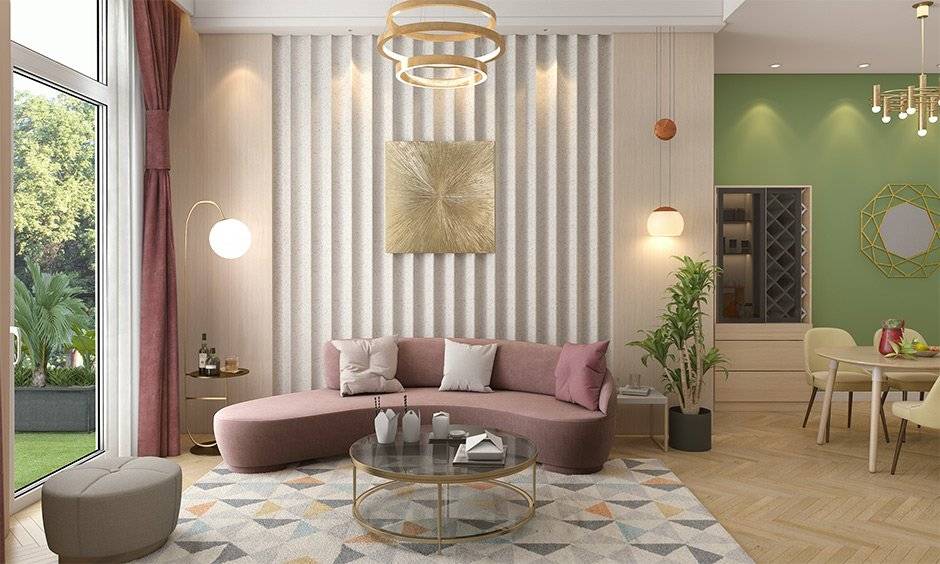

Living in a small apartment or home does not mean you have to compromise on style, comfort, or functionality. In fact, limited square footage provides the perfect canvas for minimalist interior design. Minimalism is not merely about emptying a room or painting everything white; it is a intentional design philosophy centered around the concept of eliminating excess to make room for what truly matters.
When applied to small spaces, minimalism maximizes visual area, enhances physical movement, and creates a peaceful sanctuary away from the chaotic outside world. This comprehensive guide explores the core principles, practical strategies, and actionable techniques required to transform a compact living area into a functional, beautiful, and minimalist haven.
Understanding the Core Principles of Minimalism
To successfully execute a minimalist design in a small space, you must first understand the foundational pillars of the philosophy. Minimalism focuses on form, light, and space. By stripping away superfluous ornamentation, you allow the architectural lines and the inherent beauty of your essential belongings to take center stage.
Function Over Form
In a minimalist small space, every single object must justify its existence. Items should either serve a distinct practical purpose or bring profound aesthetic value. If an object does not serve a daily function or enhance the room’s atmosphere, it has no place in a minimalist environment.
Negative Space is Essential
Negative space, or the empty area around and between objects, is a critical design element. In small rooms, the temptation is often to fill every corner with storage or furniture. Minimalism demands the opposite. Leaving walls partially bare and floors uncovered creates visual breathing room, which tricks the brain into perceiving a much larger area than actually exists.
Quality Over Quantity
Because minimalism utilizes fewer items, the items you choose to display will draw more attention. This shifts the focus from accumulating numerous cheap decor pieces to investing in fewer, high-quality items. A well-crafted solid wood coffee table or a beautifully upholstered sofa will elevate the entire room far more than a collection of mass-produced knick-knacks.
Color Palettes and Light Optimization
Color and lighting are the two most powerful tools for manipulating the perception of space. When utilized correctly, they can make a cramped room feel bright, open, and airy.
The Monochromatic Base
A successful minimalist small space almost always starts with a neutral color palette. White, cream, beige, and light gray are excellent choices for foundational wall colors. These shades reflect light efficiently, blurring the boundaries between walls and ceilings, which creates an illusion of expansiveness.
To prevent the space from feeling clinical or sterile, incorporate varying shades and tones of your base color. For example, pair crisp white walls with a warm cream rug and soft beige textiles. This layering technique adds depth and sophistication without introducing visual clutter.
Strategic Pops of Color
Minimalism does not forbid color entirely. However, instead of painting an entire accent wall a bright hue, introduce color through controlled accents. A single piece of artwork, a ceramic vase, or a throw blanket in an earthy tone like olive green, terracotta, or mustard yellow can add warmth and personality without overwhelming the senses.
Maximizing Natural Light
Natural light is a minimalist designer’s best friend. Keep windows as unobstructed as possible. Replace heavy, dark draperies with sheer linen curtains or blinds that can be completely pulled back during the day.
If privacy is a concern, consider frosted window films or top-down, bottom-up shades that allow light to enter from the top while maintaining privacy below.
Layered Artificial Lighting
Small spaces require a thoughtful lighting plan to eliminate dark corners that shrink the room. Avoid bulky floor lamps that occupy precious floor real estate. Instead, opt for wall-mounted sconces, recessed ceiling lights, and slim track lighting.
Use warm white bulbs to create a cozy atmosphere, and place fixtures at different heights to draw the eye upward and outward.
Furniture Selection and Spatial Layout
Choosing the right furniture is the most critical step in designing a small minimalist space. The wrong pieces can easily overcrowd a room, while the right pieces can make it feel incredibly efficient.
Multi-Functional and Adaptable Furniture
When space is limited, furniture must pull double duty. Look for pieces engineered specifically for compact living:
-
Storage ottomans that serve as footrests, seating, and hidden compartments.
-
Coffee tables with lifting tops that transform into dining tables or workspaces.
-
Sofa beds or Murphy beds that fold away completely during the day.
-
Extendable dining tables that remain small for daily use but expand for guests.
Scale, Proportion, and Silhouette
Bulky, overstuffed furniture will instantly suffocate a small room. Instead, look for pieces with clean lines, low profiles, and slim silhouettes.
Furniture raised on legs is particularly effective for small spaces. When you can see the floor extending underneath a sofa, armchair, or bed, the room automatically feels more spacious because the visual plane remains uninterrupted.
Consider incorporating transparent materials. Acrylic ghost chairs, glass-topped tables, and open wire frames allow light and sightlines to pass right through them, reducing the visual weight of the furniture.
Layout Strategies
Keep traffic pathways clear. You should be able to move through the room effortlessly without navigating an obstacle course of furniture.
Position larger pieces of furniture against the walls to keep the center of the room open. However, avoid pushing everything flat against the walls if it creates an awkward, cavernous center; sometimes floating a sofa a few inches off the wall creates a more sophisticated, spacious dynamic.
Smart Storage Solutions to Eliminate Clutter
Clutter is the ultimate enemy of minimalism. In a small space, even a small amount of disorganization can make the entire home feel chaotic. The secret to maintaining a minimalist aesthetic is establishing robust, hidden storage systems.
Utilizing Vertical Space
When floor space is scarce, look up. Install floating shelves that extend all the way to the ceiling. Use the tops of kitchen cabinets or wardrobes to store infrequently used items in matching, uniform storage bins.
Vertical storage draws the eye upward, highlighting the height of the room rather than its narrow footprint.
Built-in and Concealed Storage
Custom built-in cabinetry that matches the wall color is an excellent investment for small spaces. Because the cabinetry blends seamlessly into the architecture, it provides massive amounts of storage without adding visual bulk.
If custom built-ins are out of your budget, look for freestanding wardrobes with smooth, handle-less doors that mimic the look of a solid wall.
The One-In, One-Out Rule
Maintaining a minimalist home requires ongoing discipline. Adopt the policy that for every new item brought into the home, an existing item must be donated, sold, or discarded. This prevents the gradual accumulation of belongings from slowly reclaiming your hard-won space.
Textures and Decor Accents
Without a collection of decorative objects, a minimalist space relies on texture to create visual interest and tactile warmth.
Layering Textures
To keep a neutral room from looking flat, mix different textures throughout the space. Combine smooth leather with chunky knit wool, matte ceramics with polished stone, and raw wood with brushed metal. These subtle contrasts engage the senses and make the environment feel rich and inviting without relying on vibrant colors or busy patterns.
Intentional Curation of Decor
Minimalism does not mean your home must be devoid of personality. It means you select your decor with extreme care. Instead of a gallery wall featuring ten small picture frames, hang one large, impactful piece of art. This creates a singular focal point and makes the wall feel expansive rather than cluttered.
Select a few meaningful items to display on surfaces, such as a single beautiful book on the coffee table, a unique sculpture on a shelf, or a healthy green plant in a ceramic pot. Plants are exceptionally beneficial in minimalist spaces, as they introduce organic shapes, vibrant life, and natural color.
Frequently Asked Questions
How do I make a minimalist small space feel warm and cozy instead of cold and clinical?
Warmth is achieved through texture, lighting, and materials. Incorporate natural elements like light-toned woods, linen, wool, and leather. Use warm-toned artificial lighting rather than cool blue light, and introduce organic shapes through plants and ceramics to soften the straight architectural lines.
Can I practice minimalist design if I have children or pets in a small home?
Yes, it is entirely possible. The key is implementing closed, accessible storage. Use low cabinets, heavy-duty baskets, and benches with hidden compartments where toys and pet supplies can be quickly stowed away at the end of the day. Focus on durable, easy-to-clean fabrics like performance linen or leather.
What are the most common mistakes people make when trying to design a minimalist small room?
The most common error is buying too many small decorative items to fill empty spaces, which results in visual clutter. Another mistake is choosing furniture that is scaled improperly for the room, such as a massive sectional sofa that blocks natural pathways. Finally, neglecting hidden storage causes daily-use items to sit out on countertops, breaking the clean aesthetic.
How do I handle sentimental items that do not fit the minimalist aesthetic?
Sentimental items do not need to be thrown away, but they should be curated. Dedicate a specific, contained space for them, such as a beautiful decorative box or a specific cabinet shelf. If you have a large collection of photos or letters, consider digitizing them to preserve the memories without occupying physical space.
Is it necessary to paint everything white in a minimalist small apartment?
Not at all. While bright white is excellent for reflecting light, you can use any light neutral shade, including soft taupe, muted sage green, pale ochre, or warm cream. The goal is to keep the palette cohesive and low-contrast to minimize visual friction.
How can I create distinct zones in a small, open-concept minimalist studio?
Avoid using physical room dividers or heavy bookshelves, which block light and cut the room down. Instead, define zones using area rugs to anchor different furniture groupings. You can also use distinct lighting setups, such as a pendant light over the dining area and a floor lamp by the sofa, to subtly separate the functions of the space.
Comments are closed.