
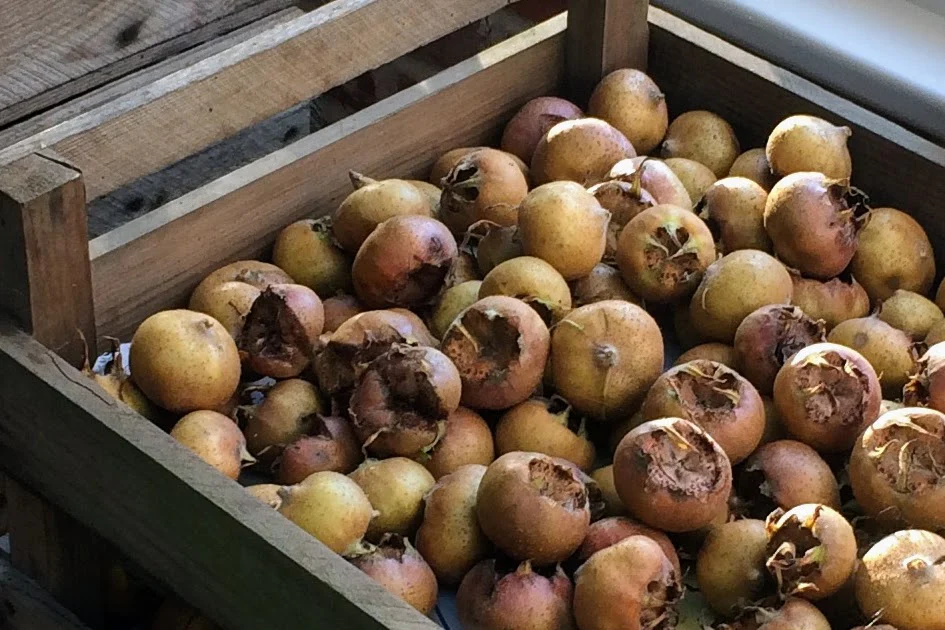

Once a common feature of orchards and kitchen gardens, the medlar gradually fell out of favour as apples, pears, and plums became more commercially dominant. Recently, however, interest has returned among gardeners who want unusual fruit trees that combine heritage value with practical cultivation.
For those planning a small orchard or expanding an existing garden collection, medlars offer several advantages. They are hardy, tolerant of typical British conditions, and capable of producing distinctive fruit with minimal maintenance. Garden centres and specialist nurseries have noticed this growing curiosity, which explains why gardeners increasingly encounter listings for medlar trees for sale when researching unusual fruit varieties.
Unlike many modern orchard crops, medlars reward patience and understanding. Their fruit is not eaten straight from the tree, and their cultivation follows slightly different expectations from apples or pears. Learning a few key facts makes a significant difference in how successfully they grow and how much enjoyment they provide.
An orchard specialist working with the fruit trees specialists at ChrisBowers offers a practical perspective on this rediscovered tree. According to their guidance, gardeners researching medlar trees for sale should look beyond novelty and consider planting them as part of a long-term garden structure. They note that medlars suit traditional British gardens particularly well because they tolerate damp winters, moderate soils, and smaller spaces, making them a sensible addition even where larger orchard trees might struggle.
Understanding the nature of the tree, its fruit, and its place in British horticulture helps explain why medlars are quietly returning to gardens across the country.
A Forgotten Fruit with Deep British Roots
Medlars may appear unfamiliar to many modern gardeners, but historically they were far from rare. The tree is believed to have been introduced to Britain by the Romans, and it quickly established itself as a reliable fruit crop. By the medieval period, medlars were widely grown in monastery gardens, manor orchards, and village plots.
Part of their appeal was practicality. Medlar trees are resilient and capable of producing fruit in conditions that might challenge other species. Their tolerance for heavy soils and moderate rainfall made them suitable for much of England and Wales, while their relatively small size suited compact orchard layouts.
Another factor behind their historical popularity was storage. Unlike apples or pears that required careful handling and cool storage conditions, medlars could be harvested late in autumn and stored naturally until ready to eat. This characteristic made them valuable during periods when preserving fresh fruit through winter was difficult.
Literary references to medlars appear throughout British history. Shakespeare mentioned them in his plays, and they were frequently included in early orchard manuals. Despite this long tradition, the fruit’s unusual ripening process contributed to its decline as commercial fruit production modernised. Supermarkets favoured fruit that could be sold immediately, while medlars required a period of softening before consumption.
In recent years, however, heritage gardening has renewed interest in traditional fruit trees. Gardeners increasingly seek plants with cultural history as well as practical value. Medlars fit neatly into this trend. Their distinctive appearance, historical associations, and reliable growth habit make them attractive to anyone interested in restoring traditional orchard diversity.
For British gardeners who already grow apples, adding a medlar provides a connection to earlier horticultural practices while also expanding the range of fruit available in the garden.
The Unique Fruit and Its Ripening Process
One of the most important things to know about medlars is that the fruit behaves differently from most orchard crops. Harvesting and eating them requires patience, which often surprises gardeners encountering the tree for the first time.
Medlar fruit is typically picked in late autumn, usually after the first light frosts. At this stage it appears firm and somewhat unappealing, with a hard texture that makes it unsuitable for eating. Unlike apples or pears, it is not meant to be consumed immediately after picking.
Instead, the fruit undergoes a process known as “bletting”. During bletting, the medlar softens naturally and develops a rich brown interior with a flavour that combines elements of apple butter, dates, and spiced fruit. The process usually takes several weeks and occurs either on the tree after frost exposure or indoors if the fruit is stored in a cool place.
For gardeners unfamiliar with the process, the appearance of a bletted medlar can be surprising. The fruit looks soft and slightly wrinkled, which might normally indicate spoilage. In reality, this stage marks the moment when the fruit reaches its peak flavour.
From a culinary perspective, medlars are particularly suited to traditional British preserves and desserts. Historically they were used to make medlar jelly, cheese-like spreads, and winter puddings. Their naturally high pectin content makes them useful for jam making, while their deep flavour pairs well with spices such as cinnamon and cloves.
Understanding bletting is essential for anyone growing medlars successfully. Once gardeners recognise that the fruit’s unusual appearance signals ripeness rather than decay, they often develop an appreciation for its distinctive flavour and seasonal character.
The Tree Itself: Growth Habit and Garden Value
While the fruit often receives the most attention, the medlar tree itself deserves equal consideration. From a horticultural standpoint, it is one of the most accommodating fruit trees available to British gardeners.
Medlar trees typically grow slowly and reach a moderate size, usually around four to six metres in height if left unpruned. This makes them suitable for gardens that cannot accommodate large orchard species. Many gardeners even grow them as small specimen trees in lawns or near garden boundaries.
Their ornamental qualities are another advantage. In spring, medlars produce large white blossoms that resemble those of wild roses. These flowers appear slightly later than apple blossom, which can help avoid damage from late frosts.
The tree’s foliage also contributes to its decorative appeal. The leaves are broad and slightly textured, giving the canopy a lush appearance through summer. In autumn they turn warm shades of yellow and bronze, providing seasonal colour before the fruit harvest begins.
Another benefit is their relative resistance to many common fruit tree problems. Medlars tend to be less susceptible to pests and diseases compared with apples or plums. While they are related to the rose family and can occasionally experience similar issues, problems are generally less severe.
Because of this resilience, medlars are often recommended for gardeners who want a low-maintenance fruit tree. Once established, they require little more than occasional pruning and basic seasonal care.
Their adaptability also makes them suitable for wildlife-friendly gardens. The blossoms attract pollinating insects, and the tree’s structure can provide shelter for birds and beneficial insects.
Growing Medlars Successfully in the British Climate
The British climate is particularly well suited to medlar cultivation, which partly explains the tree’s historical popularity in the region. Understanding a few cultivation basics ensures that gardeners achieve the best results.
Medlars prefer a sunny position but tolerate partial shade better than many fruit trees. A sheltered location helps protect the blossoms from strong winds and encourages reliable fruit development. Soil conditions are also flexible. While the tree grows best in fertile, well-drained soil, it can tolerate heavier clay soils common across much of Britain.
Planting usually takes place during the dormant season between late autumn and early spring. Bare-root trees establish quickly when planted during this period, particularly if the soil is prepared with organic matter such as compost or well-rotted manure.
Watering is important during the first year after planting, especially in dry spells. Once established, however, medlars become relatively drought tolerant compared with many orchard species.
Pruning requirements are minimal. Most gardeners simply remove damaged or crossing branches during winter to maintain an open structure. Because the tree naturally forms an attractive shape, heavy pruning is rarely necessary.
Another useful feature is that medlars are largely self-fertile. This means a single tree can produce fruit without requiring another medlar nearby for pollination. For gardeners with limited space, this makes the tree a particularly practical choice.
With correct planting and basic seasonal care, medlar trees can remain productive for decades. Their longevity contributes to their reputation as reliable additions to traditional orchards.
Why Medlars Are Returning to British Gardens
In recent years, several gardening trends have contributed to the renewed popularity of medlars. One of the most significant is the growing interest in heritage fruit varieties. Gardeners increasingly seek trees with historical significance rather than relying solely on modern commercial cultivars.
Medlars fit this interest perfectly. Their long association with British orchards and traditional cooking makes them appealing to gardeners who want to reconnect with older horticultural practices.
Another factor is the rise of smaller gardens and urban orchards. Many modern fruit trees are bred for large-scale commercial production, but medlars naturally remain compact. This makes them suitable for suburban gardens where space is limited.
Their unusual fruit also appeals to gardeners interested in culinary experimentation. As interest in home preserving and seasonal cooking continues to grow, medlars provide an ingredient that feels both traditional and distinctive.
Nurseries have noticed this shift in demand. Gardeners searching online for unusual orchard additions frequently encounter specialist listings for medlar trees for sale, reflecting the gradual return of this historic fruit to mainstream gardening.
The tree’s combination of practicality and heritage value explains why more people are planting medlars alongside apples, pears, and plums in modern British gardens.
A Specialist’s Practical Advice for New Growers
According to orchard specialists, the key to enjoying medlars lies in managing expectations. Gardeners accustomed to supermarket fruit often expect immediate results, but medlars reward patience and observation.
The specialists at ChrisBowers advise that gardeners should think of medlars as long-term investments in their gardens rather than quick-yield crops. The trees grow steadily and reliably, but their greatest value emerges over time as they become established and begin producing consistent harvests.
Choosing the right location is one of the most important decisions. Even though medlars tolerate varied soil types, selecting a position with reasonable sunlight and airflow helps ensure healthy growth and reliable flowering.
They also emphasise the importance of learning the bletting process. Many new growers initially assume the fruit has spoiled when it softens. Understanding that this stage represents peak ripeness prevents disappointment and allows gardeners to enjoy the fruit properly.
Finally, specialists recommend viewing medlars as both fruit trees and ornamental features. Their blossom, foliage, and autumn fruit make them attractive additions to gardens even before harvest begins.
For gardeners interested in expanding their orchard beyond the familiar apple tree, medlars offer a practical and historically rich alternative. Their resilience, modest size, and distinctive fruit provide exactly the sort of character that traditional British gardens have always valued.
In a gardening landscape increasingly shaped by heritage awareness and sustainable growing, the medlar’s quiet return feels both appropriate and overdue.
Comments are closed.