
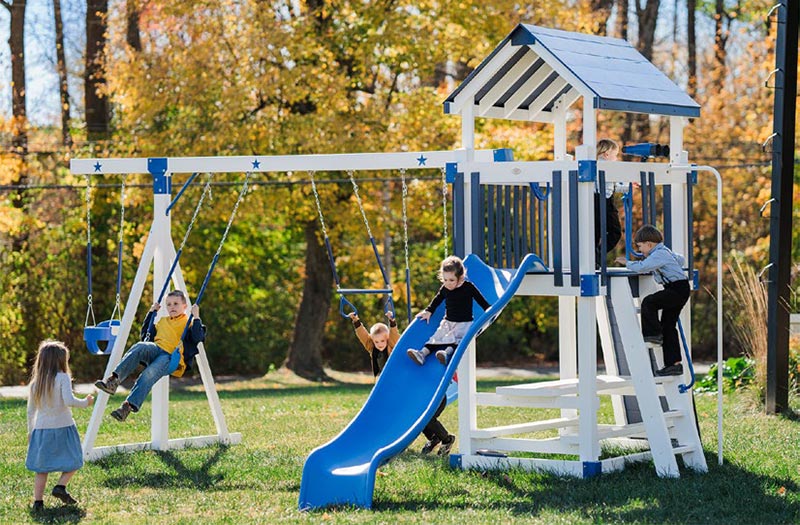

Family homes are often designed around comfort, safety, and convenience. These priorities are important, but they can sometimes overshadow another essential element of healthy family life: natural movement. Children move instinctively, not because they are told to, but because their environment invites it. Homes that support this instinct do not need to feel like play zones or fitness spaces. Instead, they quietly encourage activity through layout, access, and everyday usability.
Encouraging movement at home does not mean creating structured routines or filling spaces with equipment. In many cases, it is about removing barriers and allowing children to move freely as part of normal life.
Movement thrives in flexible spaces
Children are more likely to move when spaces are flexible rather than overly defined. Rooms that serve only one rigid purpose can limit how children interact with them. By contrast, spaces that allow for multiple uses invite exploration and creativity.
A living area that can accommodate floor play, casual stretching, or quick movement between rooms supports activity without making it the focus. Outdoor areas that are easy to access become natural extensions of the home rather than destinations that require planning.
Flexibility allows movement to happen spontaneously, which is often when children are most engaged.
Why forcing activity often backfires
Well meaning adults sometimes try to schedule movement in the same way they schedule homework or meals. While structured activity has its place, forcing movement can make it feel like a task rather than a natural part of life.
Children respond better to environments that invite action rather than demand it. When movement feels optional and enjoyable, children are more likely to participate willingly. When it feels imposed, resistance often follows.
Homes that support movement without pressure help children develop a positive relationship with physical activity.
Everyday movement builds confidence
Small, repeated movements throughout the day contribute more to physical confidence than occasional intense activity. Walking between levels, carrying objects, climbing, balancing, and navigating space all help children understand their bodies.
These actions may seem insignificant, but together they build coordination, strength, and awareness. Because they are part of daily routines, they do not require motivation or encouragement.
Over time, children who move regularly in familiar spaces tend to feel more confident trying new activities elsewhere.
The importance of access and flow
How easily children can move through a home affects how often they do. Clear pathways, accessible doors, and logical transitions between spaces support movement naturally.
When movement feels awkward or restricted, children are more likely to stay still. Homes that allow easy flow between indoor and outdoor areas encourage children to shift between environments throughout the day.
This flow also reduces friction in family routines. Children expend energy naturally, which can lead to calmer indoor time later on.
Outdoor areas as part of daily life
Outdoor spaces are often most effective when they are treated as everyday areas rather than special destinations. When children can step outside without preparation or supervision hurdles, outdoor movement becomes part of normal life.
Short bursts of outdoor play can be just as valuable as longer sessions. A few minutes outside between tasks can reset energy levels and improve focus.
In many family homes, familiar elements like Swing sets simply exist in the background, available when children feel drawn to them, rather than being the reason children go outside in the first place.
Letting children choose how they move
Choice plays a key role in encouraging movement. When children decide how they want to move, they are more engaged and more likely to persist. This autonomy supports both physical and emotional development.
Homes that allow children to choose between different types of movement, quiet play, active exploration, or rest, help them tune into their own needs. This awareness is an important skill that carries into adolescence and adulthood.
Providing choice does not mean a lack of boundaries. It means offering options within a safe and supportive environment.
Designing for different stages of childhood
Children’s movement needs change as they grow. Toddlers explore through crawling and climbing. Young children test balance and coordination. Older children seek challenges that match their increasing strength and confidence.
Family homes that adapt to these changes support long-term movement without frequent redesign. Spaces that can be used in different ways over time remain relevant as children develop.
This adaptability reduces the need for constant adjustments and allows movement to remain a natural part of home life.
Reducing sedentary habits through environment
Sedentary behaviour is often a response to environment rather than preference. When spaces encourage sitting and limit movement, children adapt accordingly. Changing the environment can change behaviour without direct intervention.
Simple design choices, such as placing frequently used items at varying heights or creating open areas for movement, can subtly increase activity. These changes do not draw attention to themselves, but their effects accumulate over time.
Children who move more throughout the day often show improved mood, focus, and sleep patterns.
Movement as a shared family experience
Movement at home does not need to be a solo activity. Shared movement strengthens family connection. Walking together, playing casually, or spending time outdoors supports both physical health and relationships.
When adults model movement as a normal part of life, children are more likely to view it the same way. This modelling does not require instruction or planning. It happens naturally through shared spaces and routines.
Homes that support shared movement create opportunities for connection without effort.
Creating homes that support, not direct
The most effective family homes do not tell children how to move. They simply make movement possible. By providing space, access, and flexibility, they allow children to follow their instincts.
Encouraging movement without forcing it respects children’s autonomy and supports long-term wellbeing. It helps movement remain something children choose rather than something they resist.
Over time, these environments shape habits quietly. Children grow up associating home with freedom of movement, confidence, and ease. These associations often last far beyond childhood, influencing how they engage with physical activity throughout their lives.
Comments are closed.