
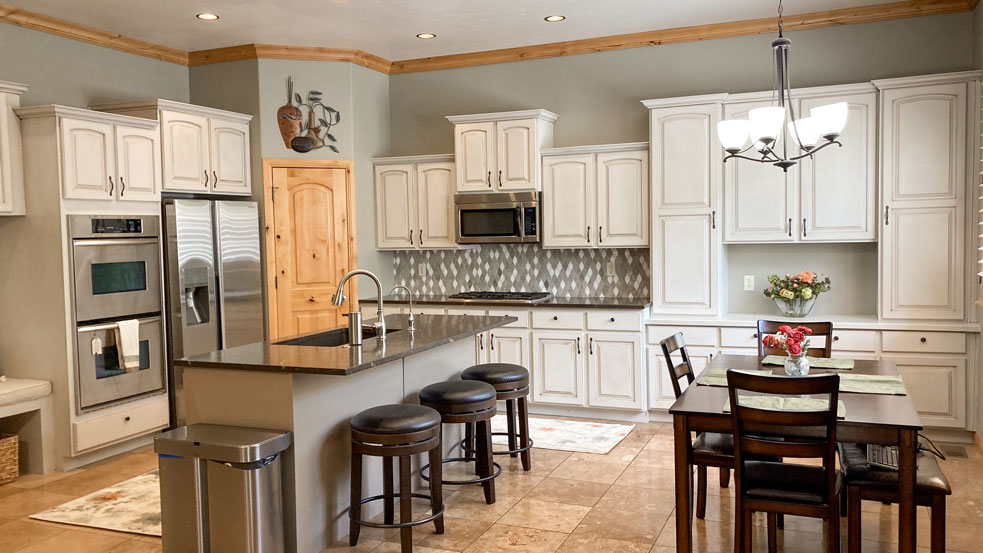

Remodeling is much more than the simple act of altering a space; it is an artistic endeavor, a process of transformation that brings new life to an old or outdated environment. Whether it’s revitalizing a kitchen, upgrading a bathroom, or reimagining an entire home, remodeling has the potential to breathe new energy into a space, improving both its aesthetic appeal and functionality. It’s a way of shaping the built environment to better align with modern lifestyles, desires, and needs.
In today’s world, where homes are often seen as a reflection of personal style and taste, remodeling has become more than a necessity—it is a celebration of possibility. It is an opportunity to express creativity, explore new trends, and make the most of a space. However, as exciting as remodeling can be, the process is far from simple. It requires meticulous planning, attention to detail, and a well-defined vision. In this article, we will explore the essence of remodeling, how it impacts both the space and the people who inhabit it, and the steps involved in achieving a successful renovation.
The Essence of Remodeling: More Than Just Cosmetic Changes
At its core, remodeling is about transformation. Whether updating a single room or undertaking a complete renovation, the goal is to alter a space to make it more functional, beautiful, or aligned with current needs. However, remodeling is not just about aesthetics; it often involves addressing practical concerns, improving the structure, and enhancing comfort.
For example, in the kitchen, remodeling may involve replacing old countertops and cabinets, but it can also mean upgrading appliances, enhancing lighting, or reconfiguring the layout to make cooking and entertaining easier. Similarly, a bathroom remodel might involve replacing tiles or fixtures, but it could also include improvements in plumbing, ventilation, and energy efficiency.
In some cases, remodeling is about making a space more energy-efficient or sustainable. By incorporating eco-friendly materials and energy-saving technologies, homeowners can reduce their environmental footprint while enhancing the overall performance of their home. Whether driven by a desire to modernize, address functional inefficiencies, or enhance sustainability, remodeling offers a way to breathe new life into a home.
Why Remodel? The Motivations Behind Home Renovation
People remodel their homes for various reasons, often driven by a combination of practicality and personal desire. Here are some of the primary motivations behind a remodeling project:
-
Increasing Property Value: One of the most common reasons for remodeling is to increase a home’s market value. Well-executed renovations in key areas like the kitchen, bathroom, and living spaces can add significant value to a property. This is especially true in competitive real estate markets, where buyers are looking for move-in-ready homes with modern amenities.
-
Improving Functionality: As families grow or lifestyle needs change, the functionality of a space can become less suited to its inhabitants. Perhaps a growing family needs more storage or an open-concept living space for entertaining. Or, a couple might want a home office or a spa-like bathroom. Remodeling offers the flexibility to reimagine a space to better meet the specific needs of the occupants.
-
Aesthetic Appeal: Over time, design trends shift, and what was once stylish may begin to feel outdated or uninspiring. Whether the goal is to introduce a modern design, embrace a more minimalist aesthetic, or simply refresh a tired look, remodeling allows homeowners to infuse their personality into their spaces.
-
Energy Efficiency and Sustainability: Many homeowners are now remodeling with a focus on sustainability. Green renovations, such as the installation of energy-efficient windows, solar panels, or low-flow plumbing fixtures, can reduce a home’s environmental impact while providing long-term cost savings.
-
Personal Satisfaction: Sometimes, the motivation for remodeling is purely emotional. A homeowner may simply want a space that feels more comfortable, organized, or reflective of their taste. The satisfaction of living in a home that truly aligns with one’s vision can be incredibly fulfilling.
The Remodeling Process: Turning Vision into Reality
Embarking on a remodeling project requires careful planning, coordination, and decision-making. While the excitement of envisioning a new space is exhilarating, the process can also be complex and time-consuming. Here’s a look at the steps involved in a successful remodel:
-
Setting Clear Goals and Budgeting
Before diving into a remodeling project, it’s essential to establish clear goals. What do you want to achieve with the remodel? Are you looking to increase functionality, improve aesthetics, or both? Defining your goals will help you make informed decisions throughout the process.
Equally important is setting a realistic budget. Remodeling projects can vary greatly in cost, depending on the scope of work and materials chosen. Establishing a budget early on ensures that you stay within your financial limits and avoid overspending. It’s wise to allocate a contingency fund to account for unforeseen expenses that might arise during construction.
-
Hiring Professionals or Going DIY?
While some smaller projects can be tackled on your own, many remodeling jobs require the expertise of professionals. Depending on the scope and complexity of the remodel, you may need to hire an architect, designer, contractor, or specialist. For projects that involve electrical work, plumbing, or structural changes, it’s crucial to rely on licensed professionals to ensure the work is done correctly and safely.
If you choose to go the DIY route for smaller projects, make sure you have the necessary skills and tools. While it can be tempting to take on everything yourself, some aspects of remodeling—such as plumbing or electrical work—are better left to the experts.
-
Designing the Space
The design phase is where your vision begins to take shape. Whether you’re working with a professional designer or tackling the design on your own, this step involves deciding on layout, materials, colors, finishes, and other elements that will define the look and feel of the remodeled space. It’s essential to keep functionality in mind as well as aesthetics. A beautiful design that doesn’t work well for your lifestyle won’t provide the lasting satisfaction you desire. -
Demolition and Construction
Once the design and planning are complete, the next step is demolition. This can involve tearing down walls, removing old cabinetry, or clearing out dated fixtures. Depending on the scale of the remodel, the demolition phase can be messy and disruptive, so it’s important to plan accordingly.
Following demolition, the construction phase begins, which involves rebuilding, installing new materials, and making the necessary upgrades. Whether it’s installing cabinets, laying new flooring, or adding new plumbing, this stage requires precision and expertise. It’s crucial to keep communication lines open with contractors to ensure that the project stays on track.
-
Finishing Touches and Inspection
After the bulk of the construction is complete, the final stage of the remodel involves adding the finishing touches. This may include painting, installing light fixtures, adding hardware, or finalizing trim work. Attention to detail during this phase is critical to achieving a polished, cohesive look.
Once everything is in place, a thorough inspection should be done to ensure that the work meets expectations and complies with building codes. This is especially important if structural or electrical changes were made.
The Impact of Remodeling: Beyond Aesthetics
While remodeling undoubtedly enhances the beauty and functionality of a space, its impact goes deeper. The process of remodeling can significantly improve the overall quality of life within a home. A kitchen designed for efficiency and comfort can transform meal preparation from a mundane task into a joyful experience. A spa-inspired bathroom can turn an ordinary routine into a moment of relaxation and self-care. A more open and organized living space can foster better communication and interaction among family members.
Moreover, a well-executed remodel can create a lasting emotional connection to a home. It’s not just about improving the space—it’s about creating an environment that supports the lifestyle and well-being of its inhabitants. Whether it’s the joy of cooking in a newly designed kitchen or the satisfaction of a beautifully remodeled living room, the emotional rewards of remodeling are often just as significant as the physical changes.
Conclusion: Remodeling as a Reflection of Change
Remodeling is not merely about improving a home—it is a journey of transformation. It represents an evolution, both of the physical space and the people who inhabit it. The process allows homeowners to revisit their living environment, make adjustments, and tailor it to their current needs and desires. Whether motivated by functionality, aesthetics, or sustainability, a successful remodel not only adds value to a property but also enriches the lives of those who live in it. By taking the time to plan, design, and execute a thoughtful remodeling project, homeowners can create spaces that inspire, comfort, and elevate everyday living.
Comments are closed.