
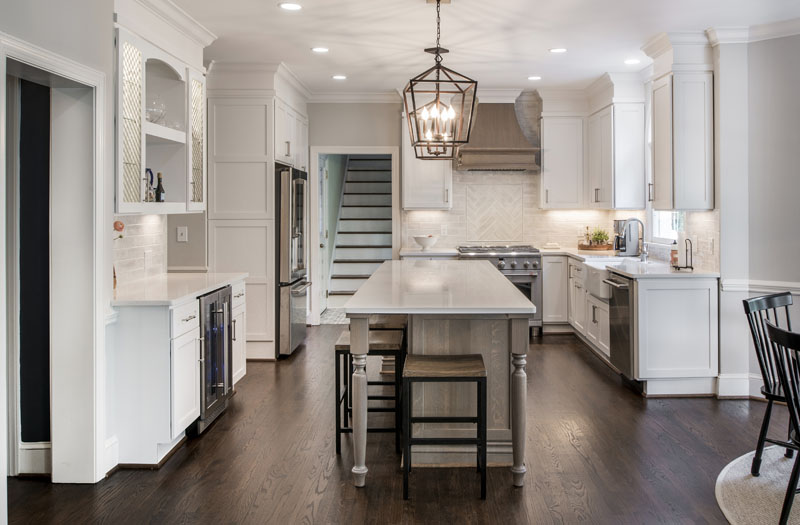

Remodeling is more than just updating the look of a home; it is an art form that breathes new life into existing spaces, turning outdated, uninspired rooms into areas of beauty, functionality, and purpose. Whether you’re looking to enhance the value of your property, create a more efficient living environment, or simply refresh a tired aesthetic, remodeling offers the opportunity to reimagine and redefine how a space works for you. However, it is not a process to be undertaken lightly. Remodeling requires a balance of creativity, planning, and expertise, with each decision building upon the last to create a harmonious, functional result.
In today’s world, remodeling is not just about replacing outdated features with newer models. It’s about considering how design, technology, and lifestyle preferences intersect to create an environment that serves both personal and practical needs. From entire home renovations to kitchen and bathroom makeovers, the possibilities are endless. This article explores the remodeling process, the benefits of remodeling, and how to approach a renovation project thoughtfully and effectively.
The Evolution of Remodeling
Historically, remodeling was seen as a necessary undertaking rather than a choice. Homes were frequently renovated to accommodate growing families or to address structural problems. Over time, however, remodeling has evolved from a functional task to a creative endeavor, driven by the desire to enhance a home’s aesthetic appeal and to meet modern needs. Today, remodeling is a celebration of personal style and individualism, a means of improving a home’s overall livability while keeping up with changing trends, technologies, and environmental concerns.
Homeowners no longer simply remodel for the sake of maintenance. Instead, they remodel to enhance comfort, optimize space, incorporate sustainable materials, and improve energy efficiency. The kitchen, once seen only as a functional room for preparing meals, has now become a multi-purpose hub for socializing, working, and relaxing. Similarly, bathrooms have shifted from utilitarian spaces into luxurious retreats, incorporating spa-like features designed for relaxation and rejuvenation. These transformations reflect the way that lifestyle priorities, technology, and design have all evolved.
Understanding the Remodeling Process
Embarking on a remodeling project can be both thrilling and overwhelming. Whether it’s a minor upgrade or a full-scale renovation, the process typically follows a sequence of stages, each with its own set of challenges and rewards. The key to a successful remodel lies in careful planning, clear communication, and patience throughout the entire process.
-
Setting Goals and Budgeting
The first step in any remodeling project is to clearly define your goals. Are you remodeling to increase the value of your property? To create more space or improve the functionality of a room? Or are you simply updating the style and design to align with current tastes? Identifying your motivations early on helps to guide the decision-making process and ensures that the final result meets your needs.
Once your goals are established, setting a realistic budget is essential. Remodeling costs can vary significantly depending on the scope of the project, the materials used, and whether you hire professionals or take a DIY approach. A well-defined budget will help prevent overspending and keep the project on track. It’s wise to include a contingency fund of 10-15% to cover unexpected costs that may arise during the course of the remodel.
-
Design and Planning
Designing the space is where creativity comes into play. This stage involves deciding on the layout, materials, colors, and finishes that will define the look and feel of the remodeled area. Whether you’re working with an architect or a designer, or even if you’re planning the project yourself, it’s important to think about both the aesthetics and functionality of the space.
During the design phase, consider how the room will be used. For example, in a kitchen remodel, think about the flow of traffic, the placement of appliances, and the overall style. In a bathroom renovation, consider the fixtures, lighting, and storage solutions that will enhance comfort and convenience. The design should reflect your personality and lifestyle while maximizing the space’s potential.
-
Hiring Professionals or Going DIY?
While some remodeling projects—like painting walls or installing new hardware—can be tackled on your own, larger projects typically require the expertise of professionals. Contractors, electricians, plumbers, and designers bring specialized skills to the table, ensuring that the work is done safely, efficiently, and in compliance with building codes.
Hiring professionals may incur additional costs, but it can save time and prevent costly mistakes in the long run. For projects that involve structural changes, electrical wiring, or plumbing, it’s always best to rely on a licensed contractor to ensure that the work is up to code and will pass inspections. However, if you’re confident in your skills and have experience with home improvement, a DIY remodel can be a rewarding option.
-
Execution and Construction
Once all the planning and preparations are complete, the construction phase begins. This is where the bulk of the work takes place, and it’s often the most disruptive stage of the remodel. If you are remodeling a single room, this phase might take a few weeks, but for larger projects, it could take several months.
Throughout the construction process, it’s essential to maintain open communication with your contractor or team. Regular updates and progress checks will help ensure that the project stays on schedule and that any issues are addressed promptly. It’s also important to be flexible—delays, unexpected problems, and changes in design can arise during this stage, and having a contingency plan in place will help mitigate stress.
-
Finishing Touches and Clean-Up
The final phase of remodeling involves installing the finishing touches, such as painting, flooring, lighting fixtures, and cabinetry. This is where the design truly comes to life, as all the elements come together to create a cohesive, functional space. Pay attention to details, such as hardware, trim, and décor, which can elevate the overall look.
Once the work is completed, a thorough clean-up is essential. Remodeling can be a messy process, and the area will need to be thoroughly cleaned before you can begin using the space. This is also a good time to conduct a final inspection to ensure that everything meets your expectations.
Benefits of Remodeling
A successful remodeling project can offer numerous benefits, both in terms of functionality and emotional satisfaction.
-
Increased Property Value
One of the most significant advantages of remodeling is the potential to increase the value of your home. Renovating key areas, such as the kitchen and bathrooms, can significantly enhance a home’s appeal to future buyers. Even small updates, like replacing old fixtures or improving curb appeal, can have a positive impact on the home’s market value. -
Improved Functionality and Efficiency
A well-planned remodel can make your home more efficient and better suited to your lifestyle. Whether it’s adding more storage, improving traffic flow, or incorporating modern appliances and technologies, remodeling allows you to create a space that works for you. For example, a more open kitchen layout can make meal prep and entertaining easier, while upgraded insulation can improve energy efficiency. -
Personal Satisfaction and Comfort
Remodeling is an opportunity to express your personal style and create a space that enhances your daily life. Whether it’s designing a spa-like bathroom retreat or a chef-worthy kitchen, a remodel allows you to tailor your living environment to meet your specific needs and tastes. The result is a home that feels more comfortable, functional, and aligned with your personal aesthetic. -
Sustainability and Energy Efficiency
Today’s remodeling projects often incorporate sustainable materials, energy-efficient appliances, and eco-friendly practices. Green building materials, such as reclaimed wood, low-VOC paints, and energy-efficient windows, can help reduce the environmental impact of the remodel while lowering utility bills over time.
Conclusion
Remodeling is a powerful tool for transforming your home into a space that better suits your lifestyle and aesthetic preferences. Whether it’s a small-scale renovation or a major overhaul, remodeling allows homeowners to breathe new life into their living spaces. However, successful remodeling requires careful planning, a clear vision, and a thoughtful approach to design and execution. By focusing on functionality, design, and budget, you can create a space that not only meets your needs but also enhances your home’s beauty and value. Ultimately, the process of remodeling is an investment—not just in your property, but in your daily experience of home.
Comments are closed.