
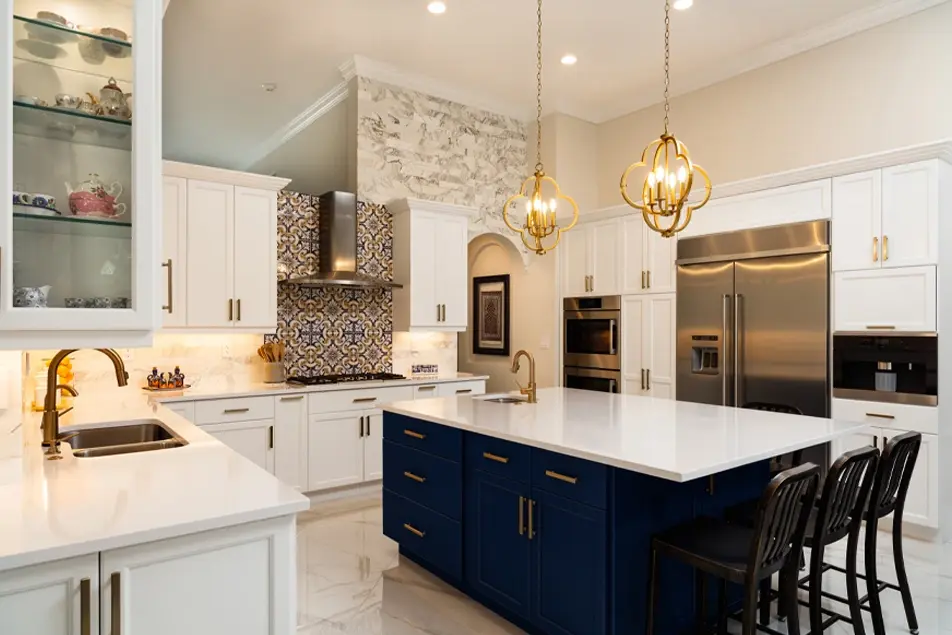

The kitchen has long been regarded as the heart of the home. It is the space where families come together, meals are prepared, and memories are made. In many ways, the kitchen is the pulse of daily life—it fuels us physically and emotionally, providing nourishment, comfort, and connection. From the early mornings when coffee is brewed to late evenings filled with conversation over a shared meal, the kitchen is a place that fosters both routine and creativity.
Yet, the kitchen is not merely a space for meal preparation. It has evolved into a multi-functional hub where family members interact, guests are entertained, and culinary experiments are conducted. The design of the kitchen, therefore, plays an essential role in shaping the dynamics of the home. It is a delicate balance between practicality, aesthetics, and innovation—each element contributing to an environment that enhances the experience of cooking, dining, and living.
The Evolution of the Kitchen: From Function to Form
Historically, kitchens were utilitarian spaces—often tucked away in the back of the house and separated from the rest of the living areas. These spaces were focused primarily on the preparation of food, with little thought given to comfort, design, or the emotional atmosphere of the room. However, as the dynamics of family life evolved, so did the role of the kitchen. In the mid-20th century, the rise of open-plan living began to blur the lines between cooking, dining, and socializing, and the kitchen began its transformation into a central, open, and inviting space.
Today, the kitchen is no longer a room to be hidden away. It is a space that reflects personal style, creativity, and functionality. In modern homes, the kitchen serves as a gathering place for family members, a venue for hosting friends, and a canvas for culinary artistry. As a result, kitchen design has become more sophisticated, with homeowners and designers alike paying close attention to layout, lighting, materials, and the incorporation of modern technology.
Key Elements of Kitchen Design: Creating a Harmonious Space
The success of a kitchen lies in its ability to balance both form and function. A well-designed kitchen not only looks beautiful but also makes cooking and daily tasks more efficient and enjoyable. Achieving this balance requires careful consideration of several key design elements.
-
Layout and Workflow
One of the most crucial aspects of kitchen design is its layout. A kitchen layout affects how easily you can navigate the space, access cooking tools, and prepare meals. The work triangle is a fundamental principle in kitchen design, involving the strategic placement of the stove, sink, and refrigerator—three essential elements that should be positioned within easy reach of each other. The goal is to create an efficient workflow that minimizes movement and maximizes convenience.
There are various layouts to choose from, each suited to different spaces. The L-shaped layout is ideal for smaller kitchens, offering a streamlined, efficient design with plenty of counter space. The U-shaped layout is perfect for larger kitchens, providing ample room for multiple cooks to work together. For open-concept homes, an island can serve as both a preparation area and a social hub, bridging the gap between the kitchen and living areas.
-
Storage and Organization
Storage is perhaps the most overlooked but most essential element of kitchen design. A cluttered kitchen can quickly become a source of frustration, while a well-organized kitchen can make cooking and entertaining more enjoyable. Modern kitchens rely on smart storage solutions to keep everything from pots and pans to spices and utensils neatly arranged and easily accessible.
Cabinetry plays a significant role in creating organized spaces. From pull-out drawers for easy access to deep cabinets for large items, thoughtful cabinetry can make a world of difference. Customizable shelving, drawer dividers, and pull-out pantry systems can help keep everything in its place. Additionally, incorporating vertical storage by using wall-mounted shelves or cabinets can take advantage of otherwise underutilized space.
-
Lighting: Setting the Mood and Enhancing Functionality
Lighting is one of the most transformative elements in any kitchen. Not only does it serve the practical function of illuminating the workspace, but it also sets the mood for the entire room. A well-lit kitchen can make a space feel warm and welcoming, while poor lighting can detract from the functionality and ambiance of the room.
Task lighting is essential for work areas such as the countertop and stove. Under-cabinet lighting can provide focused illumination for meal prep, while pendant lights over an island can add both light and style. Ambient lighting, such as recessed ceiling lights or chandeliers, offers a soft glow that creates a comfortable atmosphere. Finally, accent lighting—used to highlight architectural features, artwork, or a backsplash—adds layers of visual interest and depth.
-
Materials and Surfaces
The materials used in a kitchen’s design are vital to both its aesthetic and its functionality. Countertops, cabinetry, and flooring all contribute to the overall look and feel of the space. High-quality, durable materials ensure that the kitchen will withstand the wear and tear of daily use, while also creating a visually cohesive environment.
Countertops are a focal point in any kitchen and come in a variety of materials, from the sleek, modern look of quartz to the timeless beauty of marble. Granite remains a popular choice for its durability and natural variation, while butcher block offers warmth and texture. When selecting materials, it is important to consider both style and practicality, as some surfaces are more resistant to stains, scratches, and heat than others.
For flooring, options such as hardwood, tile, and stone offer durability and style. Tile is especially popular for its ease of cleaning and wide range of design possibilities, while hardwood adds warmth and elegance. The choice of flooring should complement the overall aesthetic of the kitchen while also standing up to heavy foot traffic and potential spills.
-
Appliances: The Heart of Culinary Innovation
Modern kitchens are equipped with a range of advanced appliances designed to make cooking more efficient and enjoyable. From induction cooktops to double ovens and smart refrigerators, appliances play an essential role in the functionality of a kitchen.
Today’s smart appliances are revolutionizing the kitchen experience, offering connectivity and control via smartphones. A smart oven can preheat remotely, while a refrigerator can send alerts when groceries are running low. Energy-efficient appliances are also a key consideration, as they help reduce the kitchen’s environmental impact while saving on utility bills.
-
Color and Style: A Personal Expression
The color palette of a kitchen sets the tone for the entire space. Light, neutral tones such as whites, grays, and beige create a clean, airy feel, while deeper hues like navy or charcoal can add sophistication and drama. Accent colors, whether through cabinetry, backsplashes, or accessories, allow for more personalized touches that make the space feel unique.
The overall style of the kitchen—whether modern, traditional, rustic, or eclectic—should reflect the personality of the homeowner. A contemporary kitchen might feature sleek, minimalist designs with a focus on clean lines and industrial materials, while a farmhouse kitchen may embrace natural wood elements and vintage-inspired accessories.
The Emotional and Social Role of the Kitchen
Beyond its functional role, the kitchen has a profound emotional significance. It is often where families come together to share meals, where friends gather to socialize, and where culinary creativity is set free. As such, the design of the kitchen should support these social interactions, creating a space that feels inviting and inclusive.
An open-concept kitchen that flows seamlessly into the living and dining areas allows for easy communication between family members and guests. An island or breakfast bar becomes a central gathering place, whether for casual meals, homework sessions, or entertaining. Thoughtful design elements, such as comfortable seating and a layout that promotes easy movement, can make the kitchen feel like a true extension of the home.
Conclusion
The kitchen has evolved from a mere utility space to a multifaceted hub that combines style, function, and emotional significance. Whether a sleek, modern space or a cozy, rustic retreat, the kitchen is where the rhythms of daily life unfold—where meals are prepared, relationships are nurtured, and memories are made. Designing the perfect kitchen is not just about selecting materials and appliances; it’s about creating a space that enhances the experience of cooking, fosters connection, and reflects the values and personality of those who inhabit it. With thoughtful planning and attention to detail, the kitchen can become a timeless and integral part of the home, blending practicality with creativity and warmth.
Comments are closed.